





An Accidental Experiment
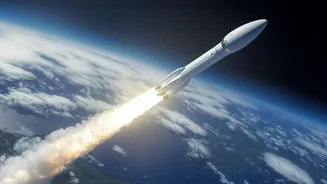
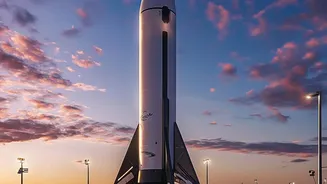
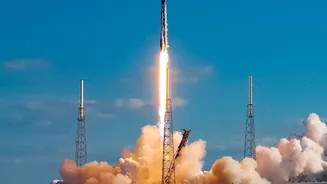
A spent upper stage of a SpaceX Falcon 9 rocket, weighing around 4,000 kilograms, is set for an unplanned impact with the Moon. The component, left over from a 2025 mission that sent lunar landers on their way, was initially placed in a safe trajectory.
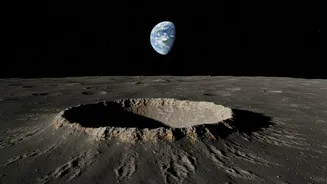
However, the complex interplay of solar activity and gravity has since altered its path, putting it on a collision course. This rogue piece of space hardware is expected to slam into the lunar surface at over 8,000 km/h, creating a new crater. While the event is accidental, scientists are eagerly preparing to observe it, turning a piece of space debris into a valuable tool for discovery.
The Science of a Cosmic Smash
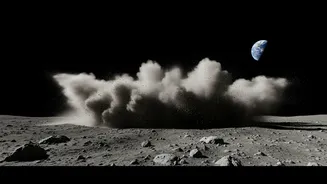
Why are scientists excited about a crash? The logic is similar to a geologist using a hammer to break open a rock. The impact will excavate lunar soil, or regolith, from beneath the surface, kicking up a massive plume of dust and debris. By training telescopes and orbiting satellites on this plume, researchers can analyze its composition using instruments called spectrometers. These devices study the light that passes through the plume to identify the chemical makeup of the material unearthed by the collision. It offers a rare chance to peek beneath the Moon's surface without having to fund, design, and land a complex drilling mission. This chance observation provides valuable data on how craters form and how material is thrown across the lunar surface during an impact.
The All-Important Hunt for Water Ice
The most anticipated secret hidden in the plume is water. For decades, scientists have gathered evidence suggesting that water ice is trapped in permanently shadowed craters at the lunar poles, where sunlight never reaches. This collision provides a powerful, albeit blunt, method for confirming its presence. Finding accessible water on the Moon is a game-changer for space exploration. It's not just for drinking; water (H2O) can be broken down into hydrogen and oxygen, the primary components of rocket fuel. Establishing a source of water on the Moon would significantly reduce the cost and complexity of future missions, making it possible to refuel spacecraft for journeys deeper into the solar system and support a long-term human presence.
A Proven Technique
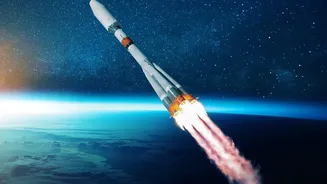
This isn't the first time scientists have intentionally crashed something into the Moon for science. In 2009, NASA's Lunar Crater Observation and Sensing Satellite (LCROSS) mission did something very similar. It sent the upper stage of its carrier rocket crashing into the Cabeus crater near the Moon's south pole. A shepherding spacecraft then flew through the resulting debris plume, analyzing its contents before making its own impact. The mission was a resounding success, confirming the presence of significant quantities of water ice and other useful compounds in the lunar regolith. The upcoming Falcon 9 impact offers a chance to repeat this type of experiment, validating the technique with a different kind of impactor in a new location.
From Space Junk to Scientific Tool
As humanity sends more missions to the Moon, the issue of space debris in the Earth-Moon system is becoming a growing concern. There are numerous rocket stages and defunct satellites in chaotic orbits. This particular impact highlights a fascinating possibility: turning this potential hazard into an asset. Instead of letting debris pose a risk, planned de-orbiting could be used for a new era of low-cost lunar prospecting. By deliberately steering spent rocket stages to impact scientifically interesting locations, space agencies could map out resources like water ice across the entire Moon. It's a form of recycling on a cosmic scale, providing invaluable data that could pave the way for the next generation of lunar exploration and settlement.