





The Lithium-Ion Bottleneck
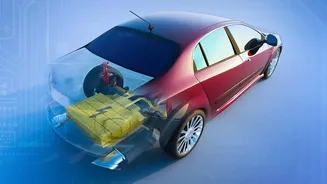
For years, the electric vehicle revolution has been powered by lithium-ion batteries. They are in our phones, laptops, and the electric two-wheelers zipping through our cities. But this technology has a major catch: its cost. The battery pack is the single
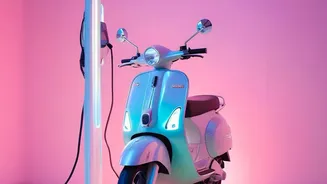
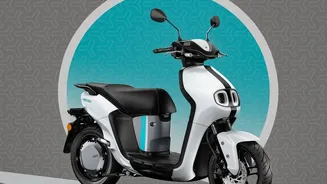
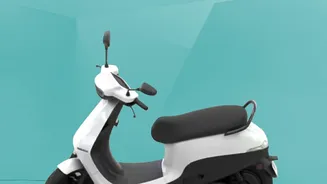
most expensive component in an EV, often accounting for 40% to 50% of the vehicle's total price. Materials like lithium, cobalt, and nickel are not only expensive but also have geographically concentrated supply chains, making their prices volatile. This directly inflates the showroom price of electric scooters, keeping them just out of reach for a large segment of buyers compared to their petrol counterparts.
Enter a New Challenger: Sodium-Ion
The most promising next-generation technology for affordable EVs is the sodium-ion battery. The core idea is simple: replace expensive and relatively rare lithium with cheap and abundant sodium. Sodium is one of the most common elements on Earth, found everywhere in salt. This drastically reduces the cost of raw materials. Indian companies like Indi Energy and giants like Reliance are actively developing and commercialising this technology. Reliance, for instance, acquired UK-based specialist Faradion to build a giga-scale manufacturing plant in India, signalling a major strategic shift away from the crowded lithium market.
More Than Just Cheaper
The benefits of sodium-ion batteries go beyond just the initial cost. They are known for being safer, with a much lower risk of fire because they are not prone to thermal runaway like some lithium-ion chemistries. They can even be safely transported at zero charge. Furthermore, they demonstrate better performance in a wide range of temperatures, a crucial factor for India's diverse climate. While current versions have a lower energy density than premium lithium-ion cells—meaning they are heavier for the same range—this is less of an issue for entry-level two-wheelers designed for city commutes, where affordability and safety are paramount.
The 'Make in India' Advantage
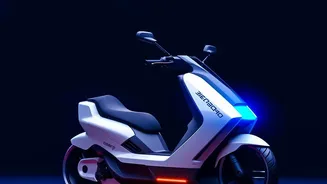
Adopting sodium-ion technology is a strategic opportunity for India. It would drastically reduce the nation's dependence on imported lithium-ion cells and raw materials, which primarily come from China. This aligns perfectly with the 'Make in India' initiative, fostering a self-reliant domestic manufacturing ecosystem. Several Indian firms are innovating in this space. For example, Indi Energy is developing components from agricultural waste, turning crop stubble into a key material called hard carbon for battery anodes. This not only creates a local supply chain but also addresses an environmental issue. With companies aiming to launch sodium-powered scooters, the shift could begin soon.
The Real-World Price Drop
So what does this all mean for the customer? Projections suggest that sodium-ion batteries could be 30% to 50% cheaper per kilowatt-hour (kWh) than their lithium-ion counterparts. Consider that the battery in an entry-level scooter might cost between ₹30,000 and ₹40,000. A 30% reduction would mean a direct saving of ₹9,000 to ₹12,000 on the vehicle's sticker price. This substantial drop could be the final push needed to make electric two-wheelers cheaper to buy than their petrol-powered equivalents, accelerating mass adoption across the country. While mass production is needed to realize these savings, the path is becoming clearer.