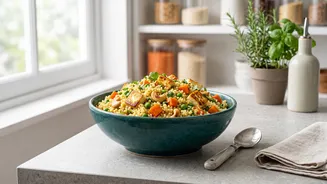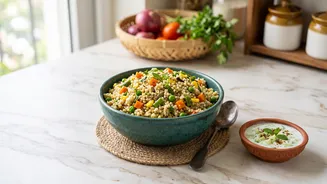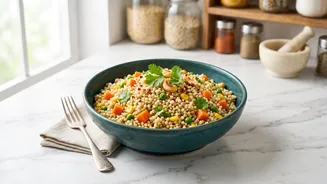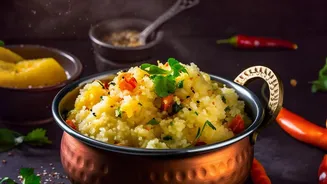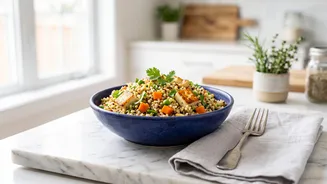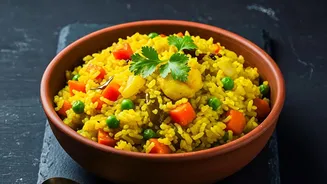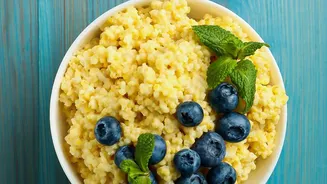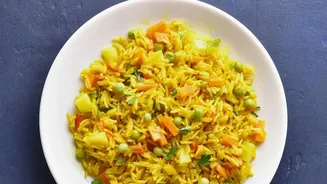






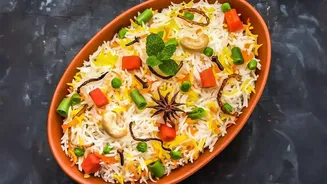
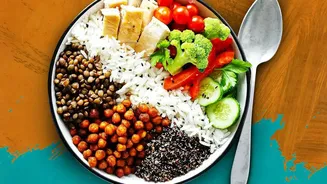
Craving a wholesome, one-pot meal but find your vegetable drawer looking a little sparse? Millet pulao is the perfect, adaptable dish that doesn't demand a specific shopping list, but rather invites you to use what you already have.
Why Millet Pulao is a Modern Kitchen Staple
In the quest for meals
that are both healthy and convenient, millet pulao emerges as a clear winner. For centuries, millets have been a cornerstone of the Indian diet, and they are now rightfully reclaiming their place in our kitchens. These ancient grains are not only naturally gluten-free but are also packed with protein, fibre, and essential minerals like magnesium and iron. Unlike rice, many millets have a lower glycemic index, which helps in managing blood sugar levels, making it a fantastic choice for a balanced diet. A pulao, by its very nature, is a simple, one-pot dish. When you combine this comforting format with the nutritional powerhouse of millets, you get a meal that is light, satisfying, and incredibly versatile. It’s the perfect canvas for a variety of flavours and, most importantly, for whatever vegetables are in season or available in your fridge.
The Basic Blueprint for Perfect Pulao
Before we get to the vegetables, mastering the basic technique is key. A great millet pulao should have fluffy, separate grains, not a mushy texture. Start by rinsing your chosen millet (foxtail, kodo, or little millet work well) and soaking it for at least 30 minutes; this helps in better digestion and even cooking. The cooking process begins with a classic tadka. Heat ghee or oil in a pressure cooker or heavy-bottomed pan and temper whole spices like cumin seeds, bay leaves, cloves, and a small piece of cinnamon. Sauté sliced onions until translucent, followed by ginger-garlic paste for that aromatic base. This is the foundational flavour upon which you will build your pulao. After this stage, it's time for the vegetables to join the party.
The Art of Vegetable Substitution
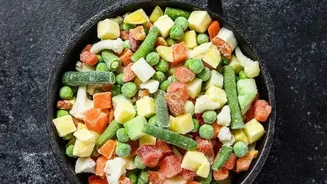
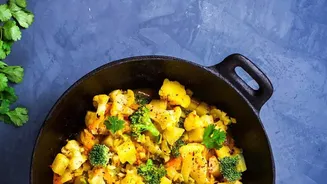
Here is where the headline's promise comes to life. The beauty of this pulao is its flexibility. Don't have the classic carrot-beans-peas trio? No problem. The key is to understand how different vegetables cook. Hard vegetables like potatoes, carrots, and sweet potatoes should be chopped into small, even pieces and added right after the onions to give them a head start. Medium-firm vegetables such as cauliflower, broccoli, and bell peppers can go in a few minutes later, as they cook faster. Delicate leafy greens like spinach (palak) or fenugreek (methi) should be stirred in only at the very end, as they wilt almost instantly. Frozen vegetables, like peas or corn, can be added directly with the millet and water, as they are already partially cooked. You can even get creative with vegetables like mushrooms, beetroot for a vibrant colour, or even hardy greens like kale.
Mastering the Cooking Process
Once your chosen vegetables have been sautéed, drain the soaked millet completely and add it to the pot. Stir gently for a minute to toast the grains, which enhances their nutty flavour. The general water-to-millet ratio is 2:1, so for one cup of millet, you'll need two cups of water. However, this can vary slightly based on the type of millet, so check the package instructions if available. Add salt, a pinch of turmeric for colour, and garam masala. Bring the water to a boil, then reduce the heat to low, cover the pot tightly, and let it simmer until all the water is absorbed, which usually takes about 15–20 minutes on the stovetop. If using a pressure cooker, it typically takes just one or two whistles. Once cooked, let the pulao rest, covered, for at least 10 minutes. This allows the grains to firm up. Finally, fluff it gently with a fork before serving.