






The Problem with Puddles and Paws
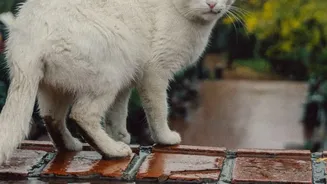
After a walk in the rain, your dog's paws carry more than just mud and dirt. The constant moisture softens their paw pads, making them vulnerable to cuts and abrasions. More importantly, this dampness creates the perfect environment for bacterial and fungal
infections to develop between the toes and on the pads. Conditions like pyoderma, a bacterial skin infection, become extremely common during humid months, causing itching, redness, and discomfort. Furthermore, stagnant puddles are not innocent water bodies; they can be contaminated with harmful bacteria like Leptospira, which causes leptospirosis, a serious and potentially fatal disease. A simple lick of the paws after walking through contaminated water is enough to cause infection.
A Step-by-Step Paw Care Routine
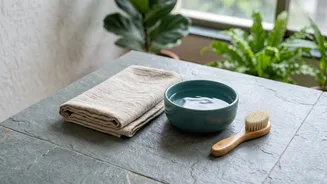
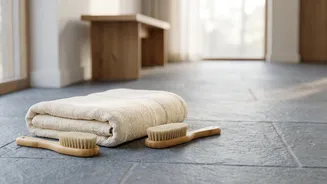
Establishing a strict post-walk cleaning station at your entrance is non-negotiable during the monsoon. First, use a soft, damp cloth or pet-safe wipes to clean all the mud and debris from each paw, making sure to gently clean between the toes. For particularly muddy paws, a quick rinse with lukewarm water is effective. The most crucial step is to dry the paws thoroughly with a clean towel. Trapped moisture is the primary cause of many monsoon-related skin issues. For long-haired breeds, keeping the fur between their paw pads trimmed can significantly reduce the amount of mud and water they retain.
The Hidden Menace: Ticks and Fleas
The warmth and high humidity of the monsoon season create an ideal breeding ground for ticks and fleas. These parasites are not just a nuisance; in India, they are carriers of dangerous diseases like tick fever, which includes babesiosis and ehrlichiosis. These illnesses can cause severe symptoms, including fever, lethargy, loss of appetite, and pale gums, and can be life-threatening if not treated promptly. Because of the damp conditions and thicker coats, it can be harder to spot these parasites, allowing infestations to grow unnoticed.
How to Conduct a Thorough Tick Check
After every single walk, you should perform a systematic check for ticks. Run your fingers slowly through your dog's entire coat, feeling for any small bumps. Ticks prefer warm, hidden areas, so pay special attention to their ears (both inside and out), between their toes, in their armpits, around the neck and under the collar, in the groin area, and around the tail. Using a flea comb in good light can also help you spot ticks or 'flea dirt'—tiny black specks of flea droppings. Prevention is always better than cure, so consult your veterinarian about the best tick and flea preventative for your dog, whether it's a spot-on treatment, a special collar, or an oral tablet.
Beyond Paws and Ticks: Other Monsoon Essentials
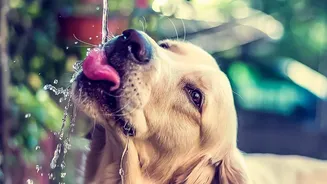
While paws and parasites are major concerns, overall wellness is key. Ensure your dog's coat is completely dry after any exposure to rain to prevent widespread skin infections. You may need to bathe them less frequently, as over-bathing can strip natural oils, but when you do, ensure they are dried thoroughly, even using a blow dryer on a low, cool setting if your dog tolerates it. Also, make sure your pet always has access to fresh, clean drinking water and never allow them to drink from puddles. Monsoon is also a critical time to ensure vaccinations, especially for leptospirosis, are up to date.