





The Changing Face of Snacking
The Indian snack market is undergoing a significant transformation. Valued in the billions and projected to grow steadily, the sector is no longer defined solely by taste and convenience. A new, powerful driver has entered the chat: health. Indian consumers
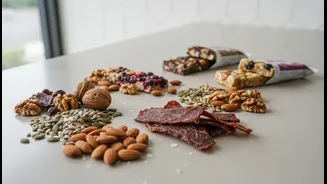
are becoming more intentional about their food choices, moving away from traditional deep-fried and heavily processed options toward snacks that offer nutritional benefits. This shift isn't about dieting; it's a broader lifestyle change, where every bite is an opportunity to nourish the body. The demand for products that are high in protein, gluten-free, and made with clean, recognizable ingredients is reshaping manufacturer priorities and filling up shopping baskets.
A Craving for 'Clean' and 'Natural'
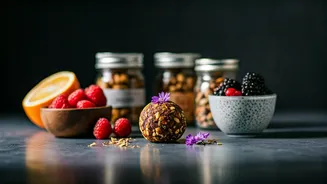
At the heart of this trend is a growing suspicion of refined white sugar, linked to a host of lifestyle diseases. This has fueled a massive demand for natural alternatives. According to a recent 2026 consumer report that surveyed over 6,000 people, a staggering 61% of Indian snackers now prefer products sweetened with natural options like jaggery (gur) and dates over refined sugar. This isn't just about avoiding calories; it's about embracing ingredients perceived as more wholesome and less processed. Words like 'natural,' 'clean label,' and 'no added sugar' have become powerful marketing tools, signalling a return to traditional ingredients that resonate with a sense of purity and trust.
Meet the New Sweeteners
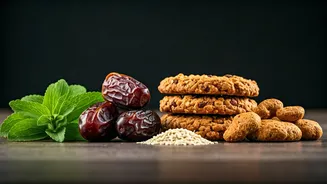
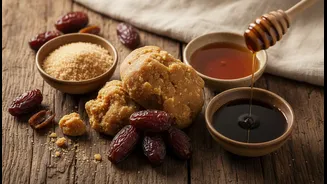
The stars of this new snack world are a mix of traditional staples and modern innovations. Jaggery, derived from sugarcane or date palm, is leading the charge. Valued for its mineral content and earthy flavour, it's now a hero ingredient in everything from energy bars to cookies. Date syrup and pastes offer sweetness along with fibre and a caramel-like richness. Beyond these, a wider array of alternatives are gaining ground, including honey, coconut sugar, and plant-derived, zero-calorie sweeteners like stevia and monk fruit, which are increasingly used in everything from health drinks to diabetic-friendly sweets. These ingredients allow brands to deliver the sweetness consumers crave without the associated guilt of refined sugar.
From Niche Startups to FMCG Giants
This movement was initially championed by agile, direct-to-consumer (D2C) startups that saw an unmet need. Brands like Eat Better Co. and Neenu's Natural built their businesses on the promise of 'unjunked' snacks, offering products like no-added-sugar laddoos and baked-not-fried savouries. Their success, often amplified by appearances on shows like Shark Tank India, has not gone unnoticed. Now, large FMCG players are entering the fray, launching their own healthy snack lines or reformulating existing products to reduce sugar and incorporate natural alternatives. This has pushed naturally sweetened products from the niche corners of health food stores into mainstream supermarket aisles.
Challenges on the Path to Sweet Success
Replacing sugar is not as simple as a one-to-one swap. Food manufacturers face significant technical challenges. Natural sweeteners can vary in taste, texture, and consistency from batch to batch, making quality control difficult. They can also be more expensive than sugar, a cost that brands must either absorb or pass on to the consumer. Furthermore, while a product might be 'naturally sweetened,' it doesn't automatically make it a low-calorie health food. Natural sweeteners like jaggery and honey still contain calories and impact blood sugar, a fact that requires careful communication to prevent a misleading 'health halo' effect.