





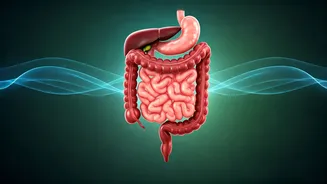



Why Your Stomach Hates the Rain
The magic of the monsoon—cool breezes, lush greenery—unfortunately creates the perfect storm for stomach issues. The high humidity is the primary culprit. According to both scientific understanding and traditional Ayurvedic principles, this dampness can
slow down our metabolism and weaken our 'Agni' or digestive fire. [9, 11, 21] This means your body finds it harder to process food efficiently, leading to common complaints like bloating, gas, acidity, and a general feeling of heaviness. [9, 11, 16] Furthermore, the warm, moist environment is an ideal breeding ground for harmful bacteria, viruses, and parasites. [3, 21, 23] Contamination of water sources and food becomes far more common, increasing the risk of infections. [3, 5]
Know the Common Culprits
During the monsoon, several specific gastrointestinal illnesses see a sharp spike. Gastroenteritis, often called 'stomach flu', is caused by viruses or bacteria from contaminated food and water, leading to diarrhoea, vomiting, and cramps. [2, 18] More serious water-borne diseases like typhoid, cholera, and amoebiasis also become more prevalent. [2] These are typically spread through food or water contaminated with pathogens like Salmonella typhi or Vibrio cholerae, often found in areas with inadequate sanitation. [2, 5] Even if you avoid a full-blown infection, the weakened digestive state can lead to flare-ups of indigestion and acid reflux, often worsened by craving heavy, spicy foods on a rainy day. [11, 13]
Your Monsoon Diet: What to Eat
The key to a happy gut this season is to eat light, fresh, and easily digestible foods. [21] Opt for home-cooked meals whenever possible. [10] Incorporate gut-friendly spices like ginger, turmeric, and cumin, which are known to aid digestion and reduce inflammation. [5, 21] Probiotic-rich foods are your best friends; think yogurt (curd) and buttermilk, which help maintain a healthy balance of good bacteria in your gut. [4, 10, 13] Choose seasonal fruits like pomegranates, apples, and bananas, but make sure they are washed thoroughly and peeled just before eating. [4, 15] Lightly cooked or steamed vegetables are preferable to raw salads. [15, 17] Think warm soups, khichdi, and herbal teas with ginger or mint to soothe your system. [4, 21]
The 'Do Not Eat' List
As tempting as it is to grab a plate of pakoras or pani puri from a street vendor, this is the most common way to invite trouble. [3, 12, 14] Street food is a major red flag during the monsoon due to the high risk of unhygienic preparation and contaminated water. [12, 19] It's also wise to avoid leafy green vegetables like spinach and cabbage, as the grime and moisture make them difficult to clean and prone to carrying germs. [14, 19] If you do eat them, ensure they are thoroughly washed and well-cooked. [10] Seafood should also be limited, as the monsoon is breeding season for fish, and the risk of contamination is higher. [6, 12] Also, go easy on heavy, fried, and overly spicy foods, as your slowed-down digestive system will struggle to handle them. [6, 19, 20]
Simple Habits for a Healthy Gut
Beyond diet, a few smart habits can make all the difference. The most crucial is ensuring your water is safe. Always drink boiled, filtered, or bottled water. [5, 8] Avoid ice in drinks when you're out, as you can't be sure of the water source. [15] Personal hygiene is paramount; wash your hands with soap and water frequently, especially before meals. [2, 8] Regular, gentle exercise like walking or yoga can also aid digestion and improve gut motility. [4] Finally, try to eat smaller, more frequent meals rather than large, heavy ones to avoid overburdening your digestive system. [10] By being mindful, you can keep your digestive system running smoothly and enjoy the rainy season to its fullest.