

The Science of Self-Watering
Self-watering planters are designed for efficiency. They consist of a growing container for the plant and soil, which sits above a water reservoir. A wicking system, often a fabric rope or a column of soil, draws water up from the reservoir into the main
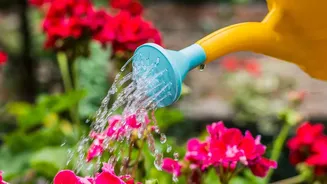
potting area through a process called capillary action. This allows the plant to absorb moisture as needed from the bottom up. The goal is to provide a consistent source of hydration without the daily guesswork of top-watering, reducing the risks of both underwatering and the surface evaporation that wastes water.
The Danger of Drowning Roots
The primary risk of any self-watering system is not the water itself, but the lack of oxygen it can cause. When a reservoir is kept perpetually full, the soil can become completely saturated. This waterlogged environment displaces the air pockets in the soil that roots need to breathe. Deprived of oxygen, roots can suffocate, weaken, and become susceptible to fungal pathogens that thrive in wet conditions. This leads to root rot, a condition where roots turn brown, mushy, and can no longer absorb water or nutrients, ironically causing the plant to wilt even though the soil is wet.
Plants That Dislike Constantly Wet Feet
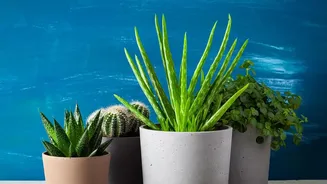
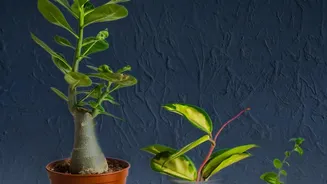
Not all plants are suited for the consistently moist environment a full self-watering pot provides. Succulents and cacti, for example, are adapted to arid climates and require their soil to dry out completely between waterings. Keeping them in a perpetually moist pot is a fast track to root rot. Many Mediterranean herbs like rosemary and lavender also prefer drier, grittier soil and will suffer in a constantly damp pot. Even some popular houseplants like snake plants and ZZ plants are drought-tolerant and are more likely to be harmed by overwatering than underwatering.
Spotting the Signs of Overwatering
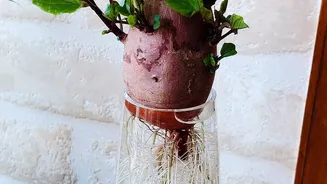
An overwatered plant will send out several distress signals. The most common sign is yellowing leaves, especially the lower ones. You might also see wilting or drooping, which can be confusing because it also signals thirst. The key difference is that with overwatering, the soil will still be wet to the touch. Other signs include soft, water-soaked spots or blisters on the leaves (a condition called edema), a musty or foul smell from the soil, or the presence of fungus gnats, which are attracted to moist conditions. If you suspect a problem, gently check the roots; healthy roots are firm and white, while rotten ones are dark and soft.
The Right Way to Use Your Planter
The secret to success with self-watering planters is to not keep the reservoir full at all times. Instead, treat it as a temporary supply. Allow the reservoir to become completely empty and wait a day or two before refilling it. This fallow period allows air to return to the soil, preventing the roots from suffocating. When you first pot a plant in a self-watering system, it's often best to water from the top for the first few weeks to encourage the roots to grow down toward the wicking system. Finally, it's good practice to periodically flush the soil by watering heavily from the top every few months to wash away any accumulated mineral salts from fertilizer.
Perfect Plants for the System
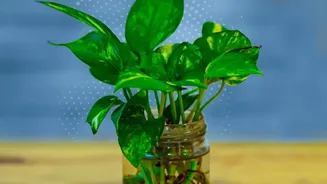
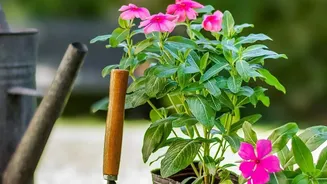
While some plants struggle, many thrive in self-watering systems when managed correctly. Tropical plants that love consistent moisture are excellent candidates. Think of peace lilies, calatheas, and ferns. Many common herbs like basil, parsley, and mint also do very well with a steady supply of water. Leafy vegetables grown in containers are another great match. The key is to choose plants that naturally prefer evenly moist soil rather than cycles of wet and dry.