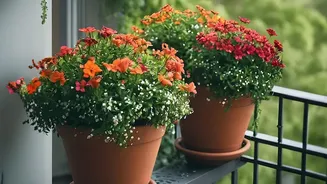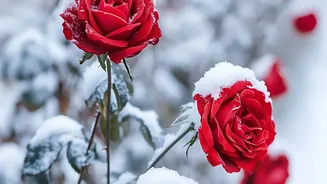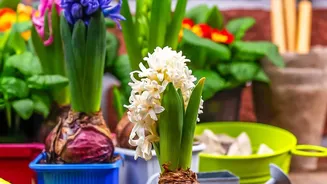


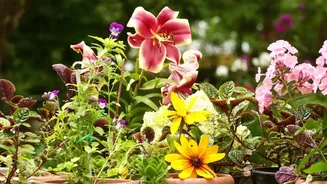

As the harsh summer heat gives way to cooler days, Indian gardens come alive. Winter is the perfect season for a burst of colour, and you don't need a sprawling lawn to enjoy it. Here’s your guide to the most rewarding winter blooms.
First, Prepare Your Garden
Success in a winter
garden starts with good preparation. Most winter annuals thrive in India's cooler months, from October to February, when the temperature is mild. Begin by clearing out any remnants of monsoon plants. Loosen the soil to improve aeration and mix in well-rotted compost or vermicompost to enrich it. This ensures your plants get the nutrition they need for strong growth. Whether you are using pots or garden beds, good drainage is crucial. Winter plants dislike waterlogged soil, so ensure your containers have drainage holes. Watering needs reduce in winter; it is best to check if the top inch of soil is dry before watering again.
Calendula: The Sunshine Flower
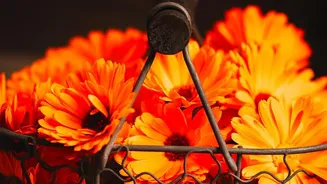
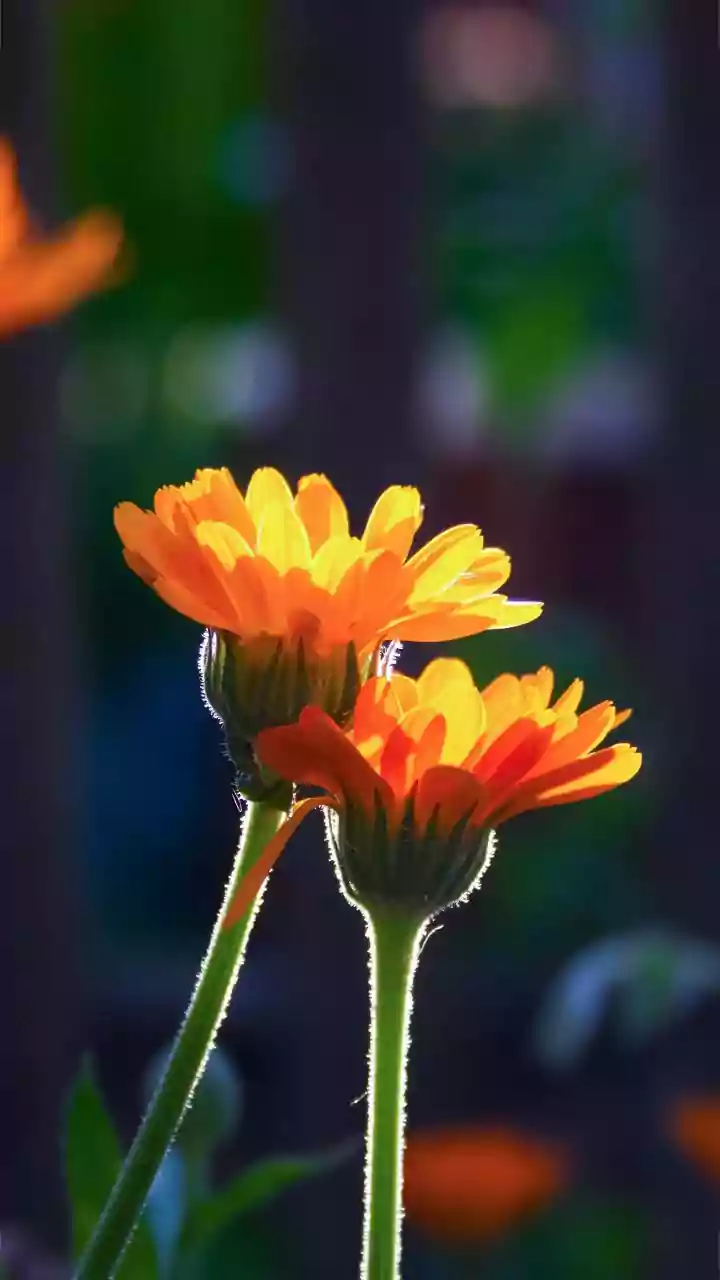
Often called 'pot marigold', Calendula is one of the easiest winter flowers to grow, making it perfect for beginners. Its cheerful yellow and orange blooms bring a splash of sunshine to even the greyest days. Calendula thrives in the cool, dry weather of Indian winters and prefers a spot with full sun, needing at least six hours of daylight. It's not fussy about soil but does best in a well-draining mix. You can sow seeds directly into your pots or garden beds from mid-September to early October for blooms that last through the season. Water moderately, allowing the soil to feel slightly dry between waterings. A key tip for a long-lasting display is 'deadheading'—regularly pinching off spent flowers to encourage new buds to form. The petals are also edible and have been traditionally used in teas.
Snapdragon: The Playful Dragon
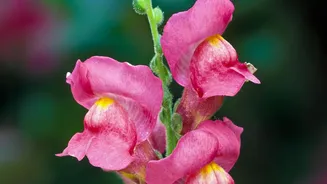
Snapdragons (Antirrhinum) add a touch of whimsy and vertical drama to any garden with their tall, vibrant spikes of flowers. Famous for the 'snapping' dragon-mouth shape of their blooms, they are a favourite among both children and adults. These plants are cool-weather lovers and can even tolerate a light frost, making them ideal for North Indian winters. They come in a wide array of colours and sizes, from dwarf varieties perfect for pots to tall types that make excellent cut flowers. Plant them in a spot that receives at least six hours of sun daily in well-drained, fertile soil. In India, the best time to sow seeds is from September to November. Keep the soil consistently moist but not waterlogged. Pinching the young plants when they are a few inches tall will encourage bushier growth and more flower spikes.
Dianthus: The Fragrant Charmer
Known for their fringed petals and a distinct, spicy fragrance reminiscent of cloves, Dianthus flowers are a delightful addition to any winter garden. Often called 'Pinks', they come in shades of pink, red, white, and purple. Their compact size makes them perfect for borders, pots, and window boxes, where their scent can be easily appreciated. Dianthus plants love sun, so a spot with at least four to six hours of direct sunlight is best. They require well-draining soil and are quite drought-tolerant once established, so be careful not to overwater. In most parts of India, the ideal time to plant Dianthus is from October to February. You can grow them from seeds or young saplings. To keep the plant blooming, feed it with a balanced fertiliser every six to eight weeks and remove faded flowers regularly.
Marigold: The Festive Favourite
No Indian winter garden feels complete without the vibrant presence of Marigolds (Genda). These hardy flowers are one of the most dependable and low-maintenance choices, blooming profusely in shades of bright yellow and deep orange. They thrive in full sunlight and adapt well to both pots and garden beds. Marigolds are also known to deter common garden pests, making them a useful companion for other plants. Plant them in well-drained soil and water moderately. Pinching off the old, faded flowers is a simple trick to encourage the plant to produce a continuous flush of fresh blooms throughout the season.