







Win the War Against Mosquitoes
Stagnant water is the perfect breeding ground for Aedes and Anopheles mosquitoes, the carriers of dengue, chikungunya, and malaria. The first line of defence is eliminating these breeding spots around your home. Conduct a weekly check of your surroundings.
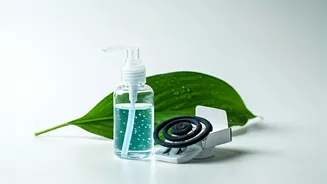
Empty and scrub flowerpot saucers, birdbaths, and any containers collecting rainwater. Ensure that water storage tanks and buckets are properly covered. For personal protection, use mosquito repellents, especially during dawn and dusk when activity is highest. Installing mesh screens on windows and doors can also provide a crucial barrier, allowing you to enjoy the cool breeze without the bite.
Ensure Your Water Is Pure
Water-borne diseases like typhoid, cholera, and gastroenteritis are rampant during the monsoon as rainwater can contaminate public water supplies. Never assume tap water is safe to drink. The most reliable method is to boil your drinking water for at least one minute. If you use a water purifier, ensure its filters are cleaned or replaced regularly as per the manufacturer's instructions. When outside, stick to bottled water from trusted brands and be wary of ice in drinks, as it's often made from unpurified water. Carrying your own water bottle is the safest bet.
Practice Smart Food Safety
High humidity levels during the monsoon accelerate the growth of bacteria and fungi on food. This makes food safety more critical than ever. Be particularly cautious with leafy green vegetables, as they can carry dirt and germs. Wash all fruits and vegetables thoroughly, perhaps with a solution of lukewarm water and a pinch of salt. Avoid eating pre-cut fruits and salads from outside vendors. This is also the season to resist the temptation of street food, especially items like chaat and pani puri, which may be prepared with contaminated water. Opt for hot, freshly cooked meals at home.
Keep Your Home Dry and Ventilated
Dampness and humidity inside the home can lead to the growth of mould and mildew, which can trigger allergies and respiratory issues. Ensure your home is well-ventilated. Open windows for a few hours on dry, sunny days to let air circulate and reduce indoor humidity. Fix any leaks in the roof or walls immediately. Use dehumidifiers if necessary, especially in closets and poorly ventilated rooms, to prevent clothes and walls from becoming damp and musty. A clean, dry home is a healthy home.
Boost Your Immunity and Hygiene
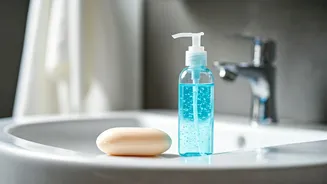
A strong immune system is your body’s best defence. Incorporate immunity-boosting foods into your diet, such as those rich in Vitamin C (citrus fruits, amla), ginger, garlic, and turmeric. A balanced diet and adequate sleep are fundamental. Personal hygiene is equally important. Wash your hands frequently with soap and water, especially before meals and after coming in from outside. Try to avoid walking through flooded areas. If you do, wash your feet and legs thoroughly with soap and dry them completely to prevent fungal infections and leptospirosis, a bacterial disease that can spread through contaminated water.
Watch Out for Fungal Infections
The constant dampness of the monsoon makes it a prime time for fungal infections of the skin and nails. Damp clothes and shoes are major culprits. Make sure your clothes are completely dry before wearing them; ironing can help kill any remaining moisture and germs. Avoid wearing tight synthetic clothing and opt for loose, cotton fabrics that allow your skin to breathe. Pay special attention to drying areas like skin folds, between the toes, and underarms. Using an anti-fungal powder can provide an extra layer of protection in these prone areas.