


Lingri ki Sabzi (Fiddlehead Ferns)
Found in the Himalayan states like Himachal Pradesh and Uttarakhand, Lingri, or fiddlehead ferns, are the coiled fronds of a young fern. These wild greens are foraged during the monsoon season and have a unique, earthy flavour, often compared to a mix
of asparagus and green beans. Typically prepared as a simple stir-fry (sabzi) with mustard oil, garlic, and local spices, this dish highlights the fern's crisp texture and fresh taste. It’s a seasonal delicacy that connects the plate directly to the forest floor.
Alu Vadi / Pathrode (Colocasia Leaves)
Colocasia leaves, known as 'arbi ke patte' in Hindi, are the star of this beloved snack from Maharashtra and coastal Karnataka. The large, heart-shaped leaves have a distinct flavour and can be itchy if not prepared correctly, which is why they are always cooked. For Alu Vadi, a spicy, sweet, and tangy gram flour (besan) paste is slathered onto the leaves, which are then rolled, steamed, and sliced into pinwheels. These can be shallow-fried for a crispy finish. The Karnataka version, Pathrode, uses a rice and lentil paste instead.
Suhanjne ke Phool ki Sabzi (Moringa Flowers)
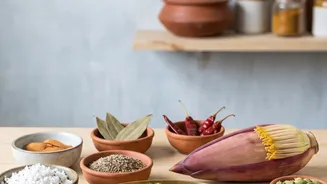
While moringa (drumstick) leaves and pods are common, its delicate flowers are a lesser-known but highly nutritious ingredient. Popular in North India and Bengal, these small, creamy-white blossoms are often cooked into a simple sabzi or added to dals. The flowers have a subtle flavour and a tender texture once cooked. A typical preparation involves sautéing the boiled flowers with potatoes, onions, and minimal spices, allowing their unique taste to shine through. It's a dish that turns a fleeting bloom into a nourishing meal.
Kathal Ke Beej ki Sabzi (Jackfruit Seeds)
Often discarded after enjoying the sweet jackfruit pulp, the seeds are a versatile and starchy ingredient in their own right. Once peeled and boiled, they have a texture similar to potatoes or chestnuts. In many parts of India, including Kerala and the Konkan region, these seeds are used to make delicious curries. The seeds absorb flavours beautifully, making them perfect for a spiced coconut-based gravy or a simple dry stir-fry. This dish is a perfect example of nose-to-tail, or in this case, fruit-to-seed, cooking.
Ambadi Bhaji (Sorrel Leaves)
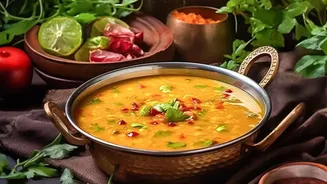
Known as Gongura in the south and Ambadi in Maharashtra, these sour leaves are a powerhouse of flavour. Their distinctive tangy taste means they require little more than simple spices to create a memorable dish. In Maharashtra, Ambadi bhaji is often cooked with peanuts, garlic, and lentils, with a touch of jaggery to balance the sourness. The result is a rustic, creamy, and flavourful preparation that pairs perfectly with jowar or bajra bhakri, celebrating a green that was once a staple in rural kitchens.
Kand nu Shaak (Purple Yam)
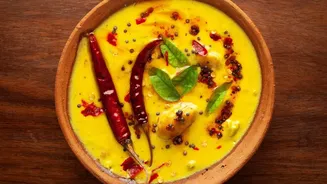
A winter speciality in Gujarat, Kand, or purple yam, is a visually stunning and subtly sweet root vegetable. While it appears in various forms, Kand nu Shaak is a festive and celebratory dish, often prepared during Navratri fasting. The vibrant purple chunks are typically cooked in a yoghurt-based gravy with ground peanuts and gentle spices, creating a delightful sweet and sour curry. Its unique colour and earthy sweetness make it a welcome change from everyday vegetables.
Singhare ki Sabzi (Water Chestnut)
Fresh water chestnuts, or Singhara, are a popular autumn and winter snack, but they also make for a wonderful sabzi. Unlike the canned variety, fresh water chestnuts are sweet, crunchy, and juicy. Commonly eaten during fasting periods, the curry is often made without onion or garlic, using a tomato and ginger-based gravy. The chestnuts are typically boiled and peeled before being added to the curry, where they absorb the spices while retaining their signature crunch.
Chaulai ki Sabzi (Amaranth Leaves)
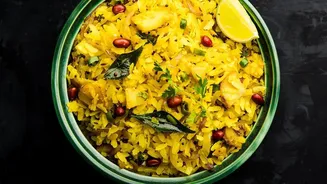
Before spinach became ubiquitous, red and green amaranth leaves, or Chaulai, were the everyday greens for many Indian households. Packed with nutrients, these leaves have a robust, earthy flavour that is more pronounced than spinach. A simple stir-fry with garlic, onions, and perhaps a pinch of asafoetida is all that's needed to prepare a delicious and healthy side dish. Often finished with a garnish of fresh coconut, this sabzi is a tribute to the humble, hardy greens that have nourished generations.