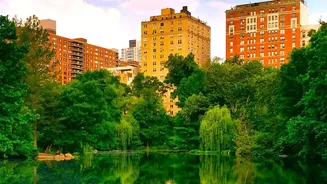






Amid the concrete and chaos of India's bustling cities lie unexpected pockets of nature. These urban wetlands are far more than just water bodies; they are vibrant, critical habitats supporting a surprising diversity of life, year after year.
The City’s Unseen Sanctuaries
When you
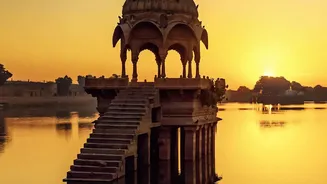
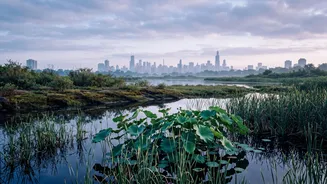
think of a city, you likely picture buildings, traffic, and people. But many Indian cities are also home to lakes, ponds, marshes, and floodplains. These are urban wetlands—ecosystems where land and water meet, creating rich environments teeming with life. Often called the ‘kidneys of the landscape’, they perform vital functions that make cities more liveable. They act as natural sponges, absorbing floodwater during heavy rains, and their dense vegetation helps filter pollutants from domestic and industrial waste, improving water quality. Beyond these practical benefits, they serve as biodiversity hotspots, functioning as islands of nature in a sea of urban development.
A Year-Round Home for Local Wildlife
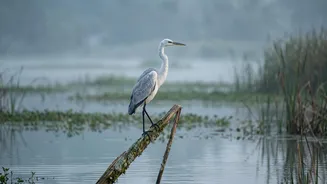
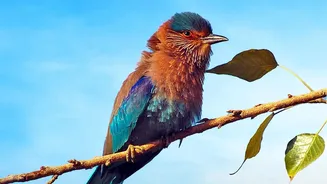
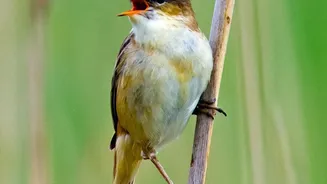
For resident species, urban wetlands are a complete life-support system. These ecosystems provide a permanent address with everything needed to survive and thrive. The lush vegetation offers shelter from predators and the elements, while the water and surrounding soil are rich with food sources like insects, fish, and smaller amphibians. This makes them ideal breeding grounds. In otherwise modified urban environments, wetlands offer a stable place for local birds, fish, reptiles, and even some mammals to raise their young. For example, a single urban wetland can support a complex web of life, from tiny microbes in the soil to birds like herons and kingfishers that depend on the aquatic life for their meals. This year-round reliability is crucial for sustaining local biodiversity within our cities.
Vital Pit Stops for Global Travellers
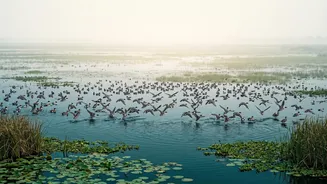
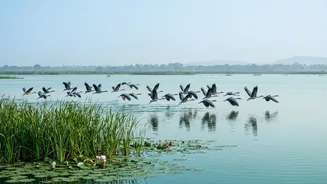
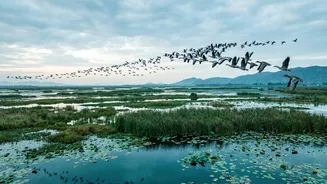
Perhaps the most remarkable role of India's urban wetlands is their support for migratory species. India is strategically located at the heart of the Central Asian Flyway, a major flight path for birds travelling from their breeding grounds in Siberia, Russia, and Central Asia to wintering grounds in South Asia. After flying thousands of kilometres over formidable obstacles like the Himalayas, these birds are exhausted and need places to rest and refuel. Urban wetlands like those in Delhi, Chennai, and Kolkata serve as crucial stopover points. They offer a rich buffet of fish and invertebrates, allowing birds such as the Bar-headed Goose, Greater Flamingo, and various sandpipers to replenish their energy before continuing their journey. Without this network of urban and rural wetlands, the entire migratory cycle for millions of birds would be in jeopardy.
An Ecosystem Under Pressure
Despite their immense value, urban wetlands are among India’s most threatened ecosystems. In the last few decades, India has lost a significant portion of its natural wetlands to rapid and often unplanned urbanisation. Cities like Mumbai, Chennai, and Bengaluru have lost over half of their wetlands. They are often viewed as wastelands, prime for real estate development, or used as dumping grounds for untreated sewage and solid waste. This encroachment and pollution destroy habitats, contaminate the water, and disrupt the delicate ecological balance that both resident and migratory species depend on. This loss not only harms wildlife but also increases the risk of urban flooding and water scarcity for city residents.