


The Origins of Order
While parting hair to the side is a naturally occurring trait, its establishment as a defined style began in the 19th century. It gained significant traction in military and intellectual circles, where a neat appearance was synonymous with discipline
and sophistication. This structured look projected an image of a well-groomed, respectable gentleman. The early 20th century cemented this association, with the side part becoming a staple for businessmen and members of high society who valued a polished aesthetic. For many men, the process of creating the part—often with a hot towel and pomade—was a daily ritual of precision.
The Golden Age of Hollywood
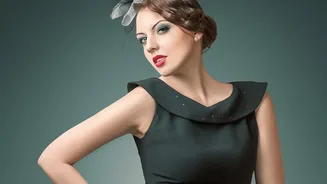
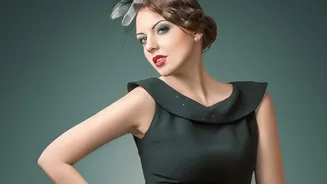
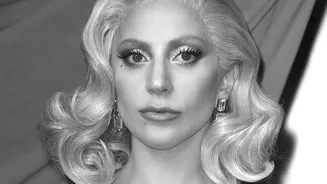
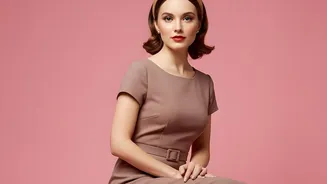
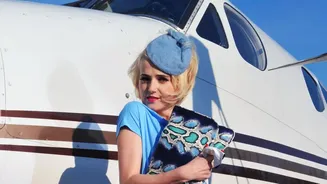
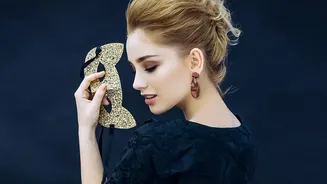
The 1920s and 1930s marked the side part's arrival on the silver screen, turning it into a symbol of elegance and masculine charm. Actors like Clark Gable and Cary Grant popularized the look, their sleek, glossy hair held perfectly in place with oil-based products like Brilliantine. For women, the deep side part became an essential component of glamorous looks, from the sculpted finger waves of the 1930s to the soft, cascading curls of the 1940s. A dramatic side part added instant drama and asymmetry, transforming a simple style into a statement of intentional glamour. It was the foundation for the iconic 'Old Hollywood waves' that remain a red carpet staple to this day.
Mid-Century and The Winds of Change
The side part remained popular in the post-war era, but it began to evolve. In the 1950s, style icons like James Dean infused the classic part with a youthful, rebellious coolness, often adding more texture and volume. However, as the counter-culture movements of the late 1960s and 1970s gained momentum, extravagant and natural styles like long hair, afros, and shags took centre stage. The neat, structured side part became associated with the establishment and older generations, losing its appeal among the youth who favoured more experimental and carefree looks.
The Modern Revival
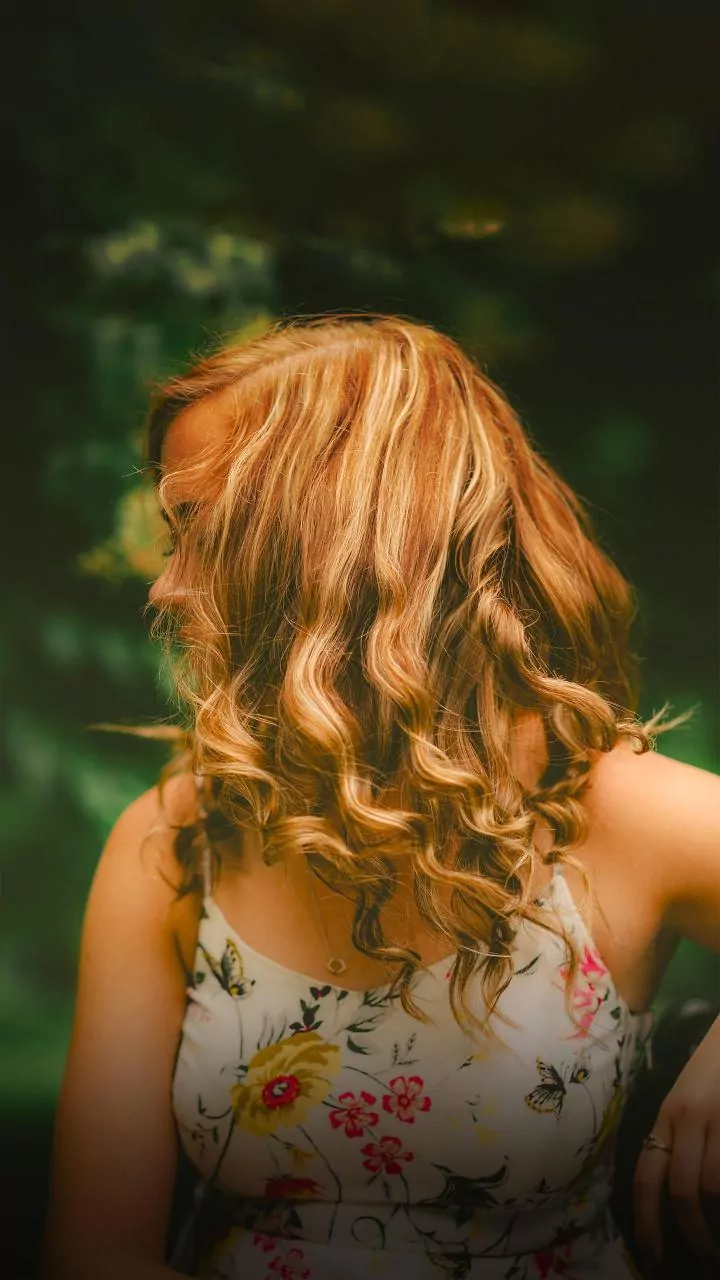
After falling out of mainstream favour, the side part has made a significant comeback in recent years. This revival is partly fuelled by a broader nostalgia for vintage aesthetics in fashion. However, the modern interpretation is often more relaxed than its historical counterpart. Today's side parts may be paired with high-contrast fades, feature more texture, and use matte products instead of high-gloss pomades. The debate between the side part and the middle part even became a talking point between millennials and Gen Z, proving the hairstyle's enduring cultural relevance. Celebrities have embraced its versatility, showcasing everything from sharp, 'hard parts' cut by a barber to soft, romantic side-swept waves.