

From Coffee Stops to Culinary Hubs
Not long ago, the quintessential Indian café experience was predictable: a cappuccino, perhaps a sandwich, and a slice of banana bread. Cafés were functional, serving as 'third places' between home and the office for work meetings or casual catch-ups.
While that role continues, the ambition of the modern café has grown dramatically. Across urban India, cafés are evolving into all-day dining destinations, morphing from bright, airy work spots in the morning to chic, ambient restaurants by evening. This transformation is driven by changing consumer habits; diners now seek flexibility and variety, wanting spaces where they can transition seamlessly from a morning coffee to a full-fledged evening meal. As a result, menus have had to keep pace, expanding from simple snacks to comprehensive culinary offerings.
A New Chapter for Vegetarian Dining
For decades, vegetarian options in many multi-cuisine establishments felt like an afterthought. In the realm of Asian food, choices were often limited to familiar Indo-Chinese staples like Gobi Manchurian or Veg Hakka Noodles. However, a significant shift is underway. With a large vegetarian population and a growing number of health-conscious 'flexitarians' and 'meat-reducers', the demand for inventive, high-quality vegetarian food has never been higher. New-age vegetarian-focused restaurants are already proving that plant-based cuisine can be innovative and exciting, celebrating ingredients rather than seeing them as a limitation. This 'green revolution' in dining is influencing menus across the board, pushing all establishments, including global-style cafés, to get more creative.
Enter the Pan-Asian Café Menu
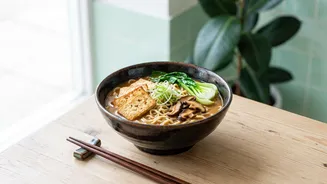
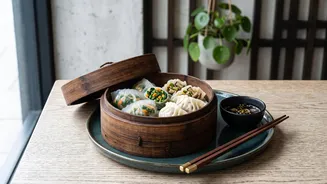
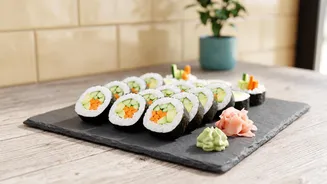
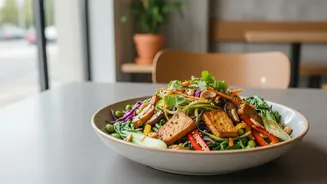
This confluence of evolving cafés and a demand for better vegetarian food has created the perfect environment for a new trend: the rise of diverse vegetarian Asian options on café menus. Diners are no longer content with just Indo-Chinese flavours. Exposure to global culture, particularly through K-dramas and social media, has created a hunger for authentic and varied Asian cuisines. Cafés are responding by adding dishes from Japan, Korea, Vietnam, and Thailand to their menus. Now, you might find a comforting bowl of vegetarian ramen with a rich mushroom broth, colourful platters of avocado and cucumber sushi, fluffy bao buns with a spicy tofu filling, or even Korean-inspired paneer bowls sitting alongside the classic cold coffee and croissants.
Why Is This Happening Now?
Several factors are driving this delicious trend. Firstly, India's Gen Z and millennial diners are adventurous and globally aware, actively seeking new flavours and experiences. Secondly, the visual appeal of these dishes—from the artful arrangement of a ramen bowl to the vibrant colours of bubble tea and matcha lattes—makes them incredibly popular on social media platforms like Instagram, providing organic marketing for the cafés that serve them. Thirdly, many of these Asian dishes align with a growing wellness trend, as they are often perceived as fresh, balanced, and light. Finally, restaurants are discovering the commercial appeal of Pan-Asian menus, which allow them to cater to a broader range of tastes and experiment with exciting fusion concepts.
The Best of Both Worlds
This trend isn't just about importing foreign dishes; it's also about creative adaptation. Many cafés are blending international concepts with local tastes, creating unique fusion dishes that feel both new and familiar. You might see a Paneer Bulgogi, a modern take on Burmese rice bowls, or a 'Desi' veg ramen bowl that uses Indian spices to create its signature flavour. This approach makes global cuisines more approachable for a wider audience while still offering the novelty that diners crave. By offering everything from Japanese matcha lattes to Vietnamese-style coffee and hearty bowls of noodles, these cafés are proving that vegetarian Asian food in India has a rich and exciting future far beyond the usual suspects.