


The Annual Ritual of Urban Chaos
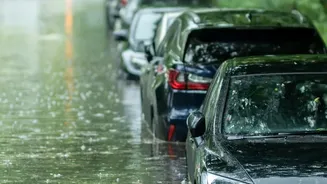
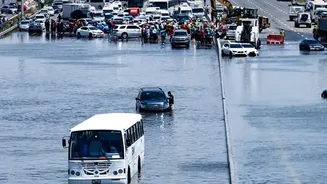
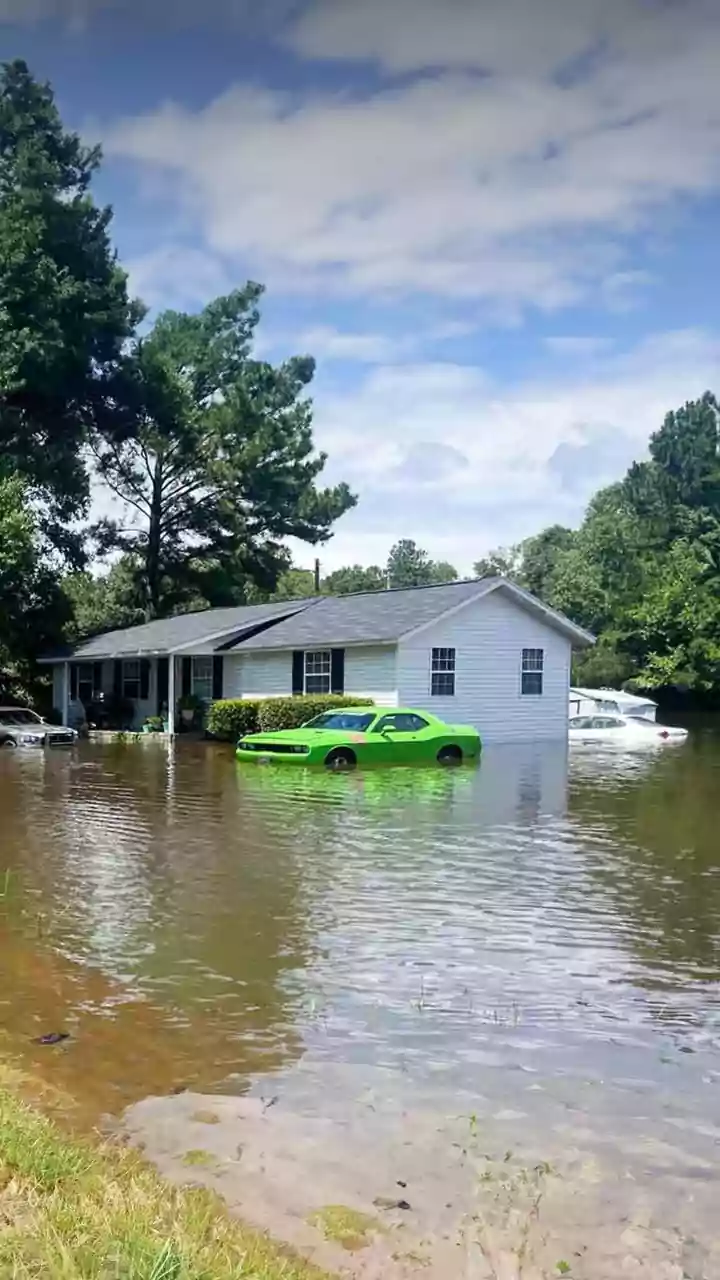
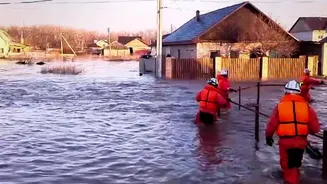
Every year, cities like Mumbai, Delhi, Bengaluru, and Chennai brace for the monsoon, knowing that intense rainfall will likely lead to severe waterlogging. This isn't a new phenomenon, but its frequency and intensity are worsening. The 2005 Mumbai floods,
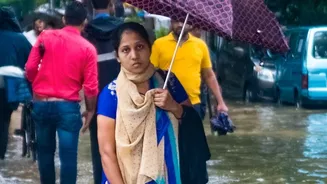
which submerged a third of the city and cost over 1,000 lives, were a stark warning. Yet, two decades later, similar scenes of disruption play out across the country with alarming regularity. What was once considered a once-in-a-generation event has become a grim annual expectation. This recurring crisis disrupts millions of lives, paralyses transport, and brings economic activity to a grinding halt, highlighting a systemic failure to manage stormwater effectively.
More Than Just an Inconvenience
The costs of urban flooding extend far beyond the immediate inconvenience. The economic damage is staggering. Between 2005 and 2015, floods in Mumbai alone caused losses of around ₹14,000 crore. Across India, floods accounted for nearly two-thirds of all economic losses from natural disasters over the last two decades. These figures represent damaged homes, destroyed inventory for businesses, and crippled public infrastructure. Beyond the financial toll, there is a severe public health crisis. Stagnant floodwaters become breeding grounds for diseases, while overwhelmed drainage systems often lead to the contamination of drinking water sources with sewage. The social fabric is strained as communities are displaced and daily life becomes a struggle for survival.
A Problem of Our Own Making
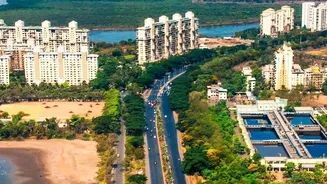
Urban flooding is less a natural disaster and more a man-made one. A primary culprit is the explosive, and often unplanned, growth of our cities. Rapid urbanisation has led to the sealing of surfaces with concrete and asphalt, preventing rainwater from seeping into the ground. Natural sponges like lakes, wetlands, and green spaces have been relentlessly encroached upon to make way for construction. Compounding this is the state of our drainage infrastructure. Many systems are archaic, designed for a different era with lower population densities and less intense rainfall. According to one estimate, only 20% of India's urban road network is covered by stormwater drains. These drains are often poorly maintained and clogged with solid waste, rendering them ineffective when they are needed most.
A Blueprint for a Resilient Future
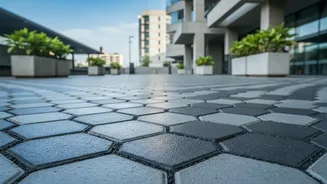
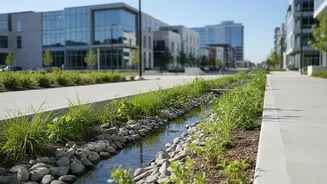
The solution is not simply to build bigger drains. It requires a fundamental shift in urban planning towards creating 'sponge cities'. This concept focuses on using nature-based solutions to absorb, clean, and reuse rainwater. Techniques include building permeable pavements that allow water to filter through, creating rain gardens and bioswales to hold and slow down runoff, and protecting and restoring urban water bodies like lakes and wetlands. These green infrastructure approaches work with nature, rather than against it. For instance, Chennai has begun creating 'sponge parks' with recharge wells and permeable surfaces to restore the city's water absorption capacity. This integrated approach not only mitigates flooding but also helps recharge groundwater and reduce the urban heat island effect.
From Reactive Panic to Proactive Planning
Currently, our approach to urban flooding is largely reactive. We mobilise resources after disaster strikes, a strategy that is both inefficient and far more costly than prevention. The National Disaster Management Authority (NDMA) has issued comprehensive guidelines on managing urban floods since 2010, calling for a proactive, technology-driven approach. These guidelines stress the importance of mapping flood-prone areas, ensuring pre-monsoon desilting of drains, and integrating rainwater harvesting into building codes. Investing in this unseen infrastructure is an economic imperative. A repeat of the 2005 Mumbai flood today is estimated to cost nearly eight times the original insured losses. Proactive investment in resilient drainage is not a cost; it is a critical down payment on the safety, health, and economic stability of our cities.