




Defining the Social-to-Menu Gap
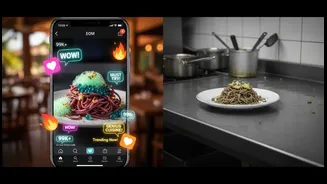
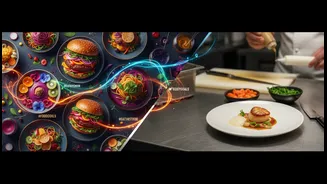
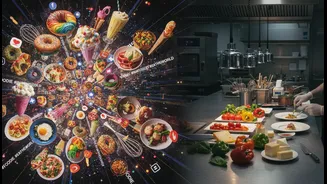
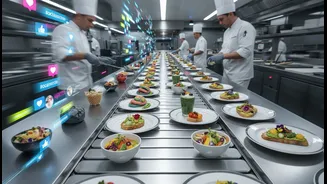
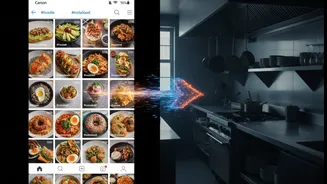
In India's hyper-competitive food and beverage market, the social-to-menu gap is the time it takes for a restaurant to react to a culinary trend emerging on platforms like Instagram and YouTube. In the past, menu development was a slow, deliberate process
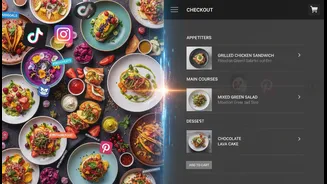
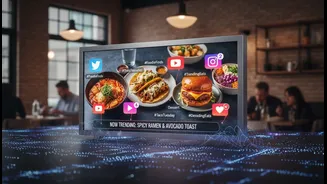
based on seasonal changes and chef intuition. Today, food discovery happens online. A visually stunning dish, whether it's a unique ramen bowl or an experimental dessert, can become a city-wide sensation in days, driven by influencers and user-generated content. The 'gap' represents a massive opportunity cost for businesses that are too slow to respond. Diners, especially millennials and Gen Z, actively seek out these trending dishes, and their loyalty goes to the establishments that offer them first.
The New Currency: Speed and Agility
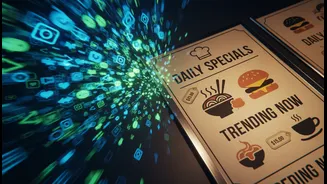
The challenge for most restaurants is speed. Viral trends have a short lifespan, often peaking within weeks. Traditional restaurant models, with their fixed menus and complex supply chains, are not built for this kind of rapid iteration. This is where new business models are finding their edge. Cloud kitchens, in particular, are designed for agility. Operating without a physical dine-in space, they can test, launch, and pivot menu items with minimal financial risk. This allows them to capitalize on a trend like 'Korean-inspired desi flavours' or 'mango mania' almost immediately, capturing the initial wave of customer demand that social media creates. This speed is becoming a significant competitive advantage.
Bridging the Gap with Technology
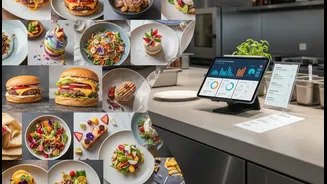
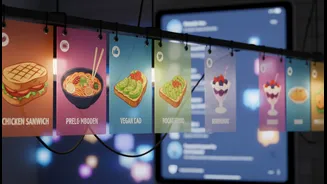
Technology is the essential bridge across the social-to-menu gap. Data analytics is no longer a tool just for large tech companies; it's becoming crucial for a restaurant's survival and growth. Modern Point-of-Sale (POS) systems and delivery platform analytics provide a wealth of information on what’s selling, what’s not, and what customers are searching for. By analyzing both internal sales data and external market signals—like social media engagement and competitor menus—restaurants can make evidence-based decisions instead of relying on guesswork. This data-driven approach allows an establishment to identify a rising trend, assess its potential profitability, and decide whether to incorporate it as a limited-time offer or a permanent fixture.
From Viral to Viable Menu Items
Successfully integrating a viral trend is more than just copying a recipe from a video. It requires a smart approach to menu engineering—the science of designing a profitable and popular menu. A dish must not only be 'Instagrammable' with high colour contrast and unique presentation, but it must also be profitable and operationally viable. This means considering ingredient costs, preparation time, and staff skill levels. Some restaurants use viral dishes as a marketing tool to attract first-time customers, who then go on to explore the core menu. Others find ways to give a local or unique twist to a global trend, creating a signature item that stands out in a crowded market. The goal is to move from simply chasing trends to strategically using them to enhance the brand and bottom line.
The Payoff: Relevance and Revenue
Restaurants that successfully close the social-to-menu gap see tangible rewards. They stay relevant in a fast-changing market, attracting a younger, digitally native audience that is crucial for long-term growth. Industry reports suggest that engineered menus can increase profits by 10-15%. By quickly responding to proven demand, businesses can reduce the waste associated with unpopular dishes and optimize inventory. In a sector known for tight margins, these efficiencies can make a significant difference. Ultimately, being agile allows a restaurant to become part of the cultural conversation, turning fleeting online moments into real-world footfall and revenue.