





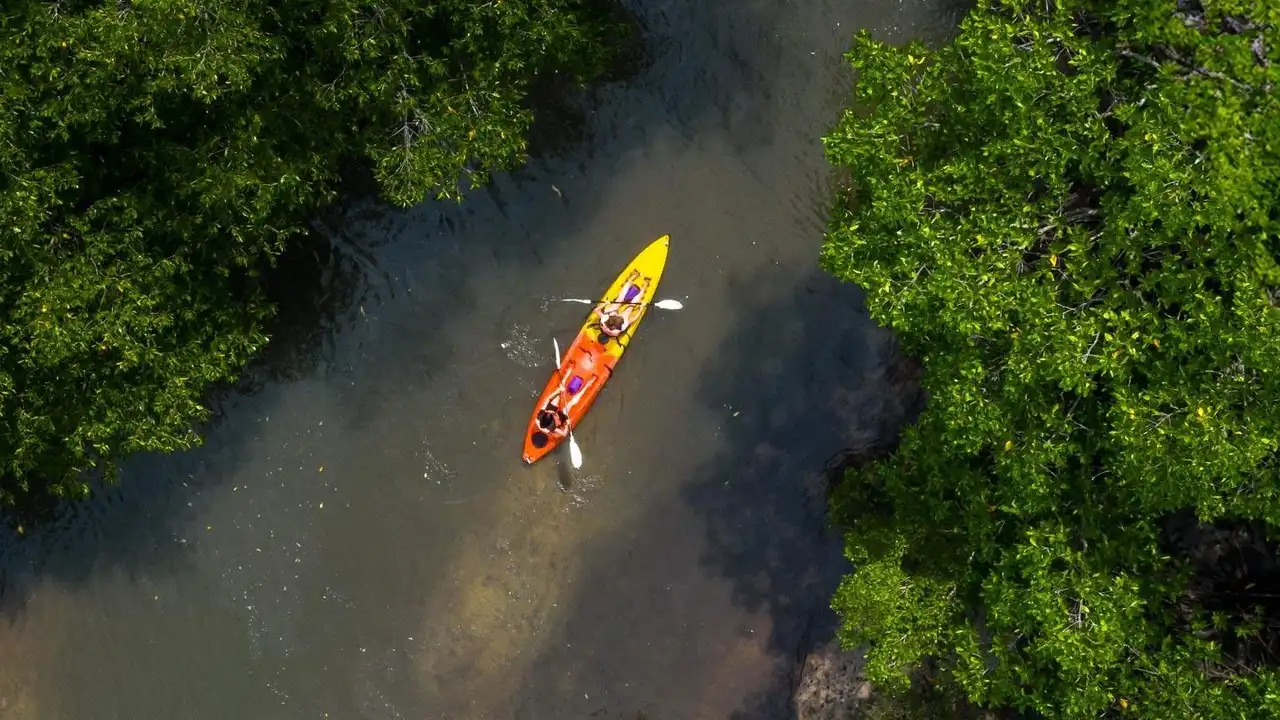
When The Abode of Clouds Awakens
Meghalaya, aptly named 'The Abode of Clouds', undergoes a dramatic metamorphosis during the monsoon. The state, home to some of the wettest places on Earth, receives intense rainfall that swells every stream and river. In the dry season, rivers like the Umngot
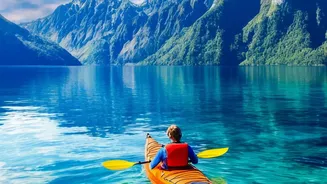
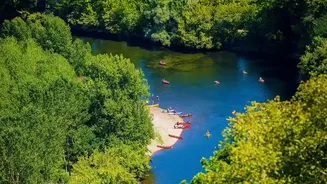
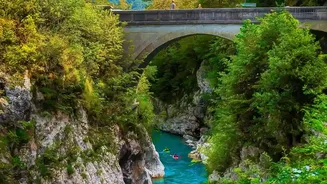
are placid, with water so clear it gives the illusion of boats floating in mid-air. Come the monsoon, these same rivers become raging, chocolate-brown torrents. This transformation isn't just visual; it's a fundamental change in the river's character. The water volume can increase exponentially overnight, turning a gentle waterway into a powerful force of nature that reshapes the landscape and the very act of navigating it.
From Gentle Flow to Furious Force
The core change for kayakers is the dramatic increase in water speed and volume. A river's flow is measured in cubic metres per second (cumecs). During the monsoon, a river that might flow at a manageable 20-30 cumecs can explode to several hundred, or even over a thousand, in a matter of hours. This surge in volume directly translates to increased velocity. For a kayaker, this means less time to react and significantly higher consequences for any mistake. What was a predictable channel becomes a chaotic surge of power. The sheer force of the water can overpower even the strongest paddler, making an intimate knowledge of whitewater dynamics essential for survival.
The Technical Challenge: Reading a Raging River
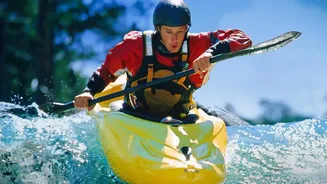
Kayaking in such conditions is less about brute strength and more about deep technical skill and the ability to 'read' the water. In high-volume water, features that are normally helpful or manageable become hazardous. Eddies, the calm pockets of water behind rocks where kayakers can rest, shrink or disappear entirely. Hydraulic features, like waves and holes, become larger, more powerful, and retentive, meaning they can hold a person or a boat for longer. Expert kayakers must constantly analyse the water ahead, identifying safe 'lines' through the chaos while avoiding submerged obstacles and dangerous hydraulics. Every paddle stroke must be precise, and every decision is made in a split second. This is a high-stakes game of aquatic chess played at incredible speed.
New Routes and Hidden Dangers
The colossal rise in water levels paradoxically opens up new possibilities while creating new threats. High water can allow kayakers to paddle over sections that are normally unrunnable, bony rock gardens, creating new 'high-water routes' through canyons. However, the same water that grants access also hides dangers. Boulders and sharp rocks that are visible in low water vanish, becoming submerged hazards that can damage a boat or trap a swimmer. Perhaps the most feared danger is 'strainers'—fallen trees or debris that allow water to pass through but can trap a kayaker. In the powerful monsoon current, a strainer is often a lethal obstacle.
An Expedition for Experts Only
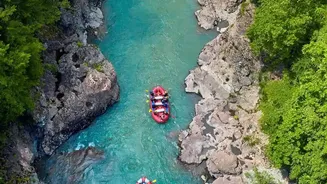
This is not an activity for the casual tourist. Kayaking Meghalaya’s monsoon-swollen rivers is the domain of elite, expedition-level paddlers. These athletes possess years of experience on difficult whitewater, often holding advanced rescue certifications and having run challenging rivers across the globe. They travel with specialised equipment, including durable creek boats designed for steep, technical rapids, and a full array of safety gear. Teamwork is paramount; paddlers operate in small, highly skilled groups, constantly watching out for each other and executing well-rehearsed safety protocols. The annual Megha Kayak Fest on the Umtrew river, for example, attracts top international athletes to compete on these very waters, highlighting the global significance of Meghalaya as a premier whitewater destination.
The Ultimate Reward: A Primal Experience
So why do they do it? For these expert kayakers, the monsoon season offers an experience that cannot be found anywhere else. It’s a chance to witness nature at its most raw and powerful and to test their skills against the ultimate challenge. The steep gradients of the Khasi Hills create world-class rapids that are both a test and a reward. Successfully navigating a canyon in full flood is a profound experience, a mixture of intense focus, adrenaline, and a deep connection with the wild. It is the pursuit of a pristine, unfiltered adventure in one of the world's most spectacular and dynamic river environments.