



An Antidote to Modern Burnout
The pressure to be always-on has left many young professionals feeling drained, anxious, and perpetually exhausted. This isn't just everyday stress; it's a deep-seated burnout that a typical week of sightseeing and nightlife can't fix. As a result, wellness
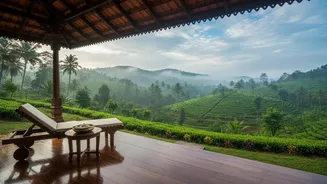
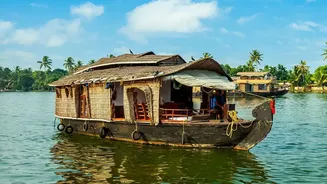
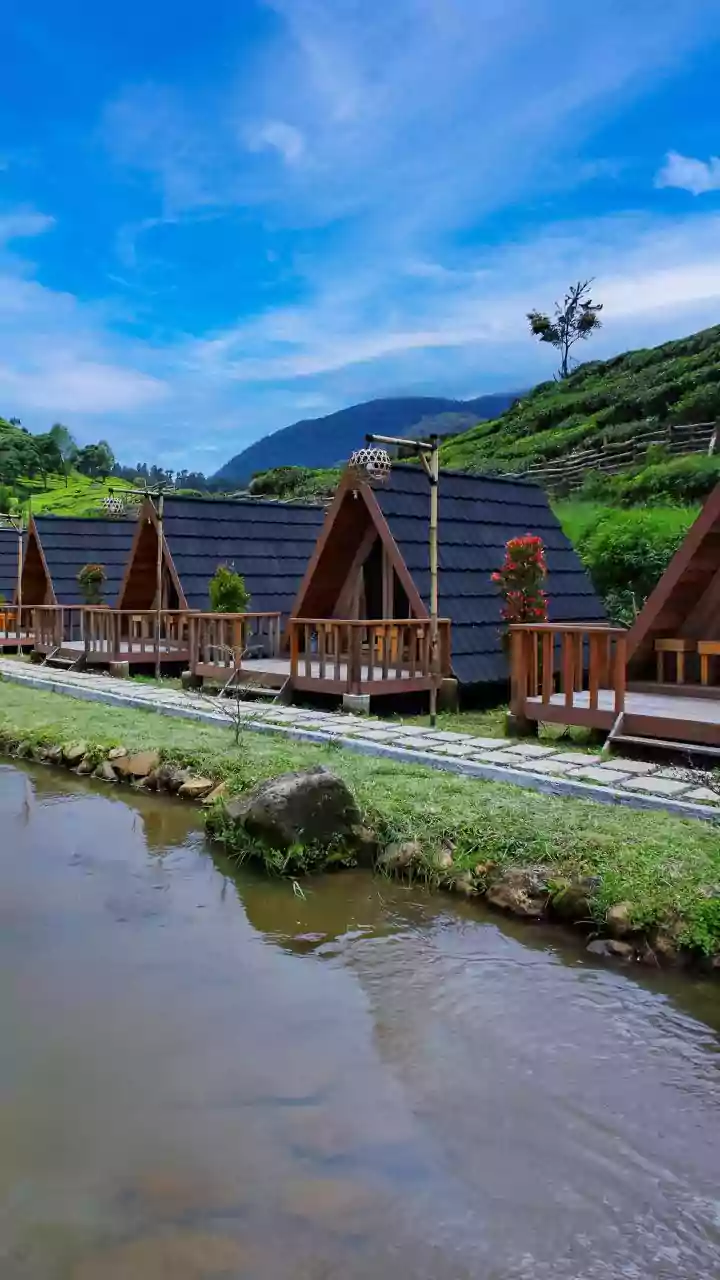
travel is shifting from simple relaxation to profound restoration. Millennials are increasingly looking for holidays that offer a genuine escape not just from the office, but from the mental load they carry. They are trading fleeting fun for lasting balance, seeking experiences that heal rather than just entertain. This quest for meaningful recovery is leading them to the lush, rain-swept landscapes of Kerala, the cradle of Ayurveda.
The Monsoon Advantage
While most tourists flock to sunny destinations, these wellness seekers are intentionally booking their trips during Kerala's monsoon season (June to September). According to Ayurvedic tradition, this is the most potent time for healing. The cool, humid, and dust-free atmosphere is believed to open up the body’s pores and channels (srotas), making the skin more receptive to medicated oils and therapies. This enhanced absorption allows treatments to penetrate deeper, making detoxification more effective. The naturally calm and serene environment, filled with the rhythmic sound of rain, also promotes mental relaxation, which is crucial for the healing process.
More Than a Spa Day: The Panchakarma Process
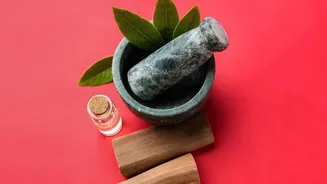
At the heart of these retreats is Panchakarma, a comprehensive detoxification and rejuvenation program. It's crucial to understand that this is not a series of spa massages but a structured medical process tailored to an individual’s needs by an Ayurvedic doctor. The term means "five actions," referring to five procedures designed to cleanse the body of accumulated toxins (ama). The process typically involves three stages: a preparatory phase (Purvakarma) with oil treatments and steam therapy to loosen toxins; the main cleansing procedures (Pradhanakarma) such as Vamana (therapeutic emesis) or Virechana (purgation); and a post-treatment phase (Paschatkarma) involving a specific diet and lifestyle adjustments to restore the body. It’s a rigorous system designed to reset the body’s natural ability to heal itself.
A Shift from Recreation to Restoration
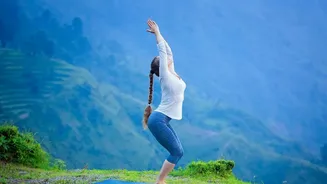
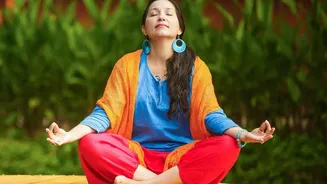
A beach holiday is often about external stimulation—activities, exploration, and socialising. An Ayurvedic retreat, by contrast, is an inward journey. The goal is not to see and do as much as possible, but to slow down, disconnect, and allow the body and mind to repair. Retreats often enforce a digital detox, replacing screen time with yoga, meditation, and quiet reflection. The diet is simple, nourishing, and prescribed to support the detoxification process, often featuring specialised meals like Karkidaka Kanji, a medicinal rice porridge. This deliberate shift from high-energy recreation to guided rest provides a level of recovery that a conventional trip rarely achieves, addressing the root causes of burnout rather than just its symptoms.