

Sohra's Secret Season: Why Autumn?
The period from October to November is considered by many to be the ideal window to visit Sohra, traditionally known as Cherrapunji. After months of heavy rainfall, the landscape is intensely green and the waterfalls are still flowing beautifully. However,
the rains have largely receded, leading to clearer skies, less fog, and more pleasant temperatures perfect for sightseeing and trekking. This season offers the best of both worlds: the post-monsoon splendour without the peak tourist crowds, and trails that are much safer and drier to navigate.
The Majestic Nohkalikai Falls
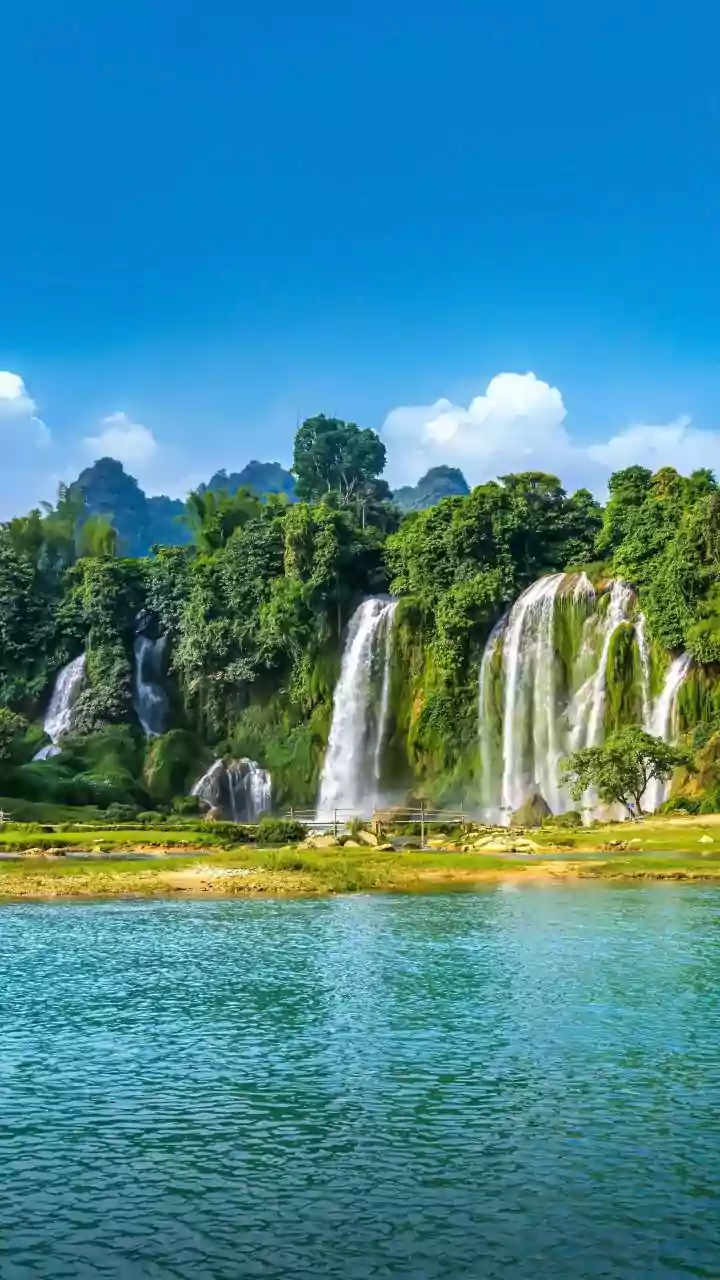
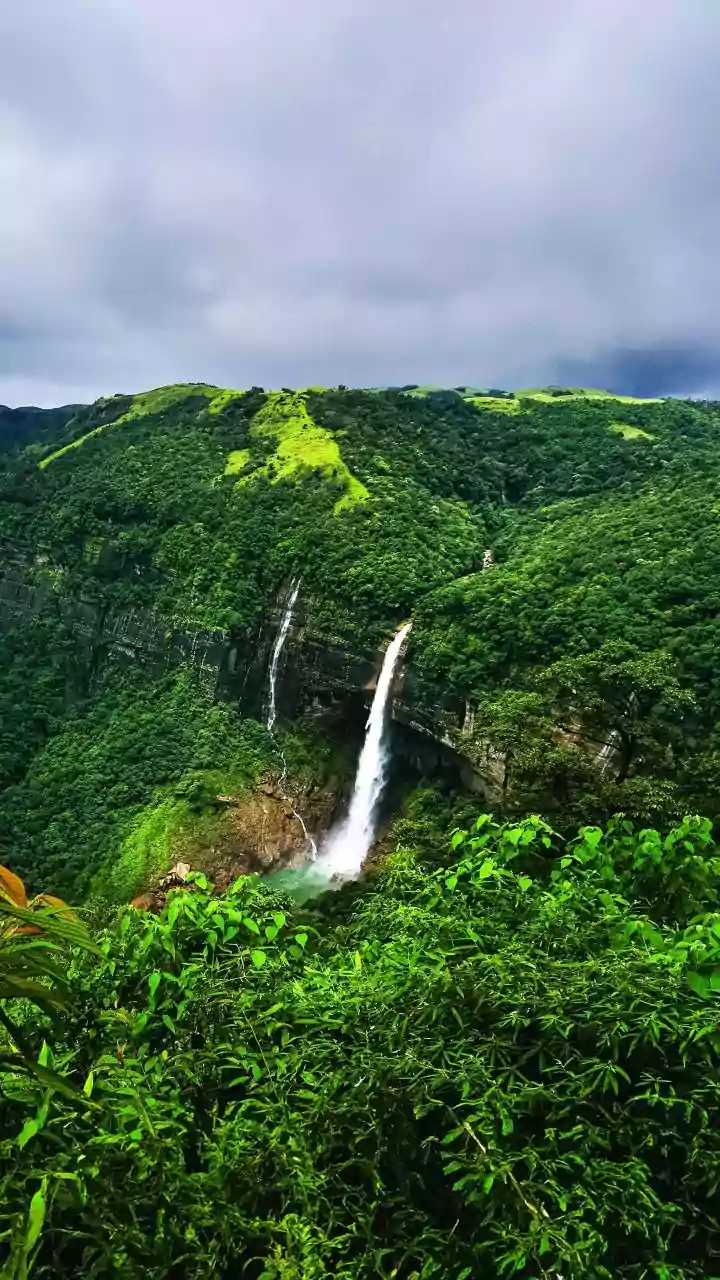
As India's tallest plunge waterfall, Nohkalikai Falls is a mandatory stop. It cascades from a height of 1,115 feet into a stunning turquoise-green pool below. During autumn, the visibility is often much better than in the foggy monsoon months, allowing for breathtaking, uninterrupted views. The name, which translates to "Jump of Ka Likai," is derived from a tragic Khasi legend about a grieving mother, adding a layer of poignant history to its immense natural beauty. A viewing gallery provides a safe and spectacular vantage point to soak in the view.
The Bio-Engineering Marvel: Living Root Bridges
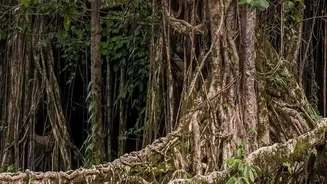
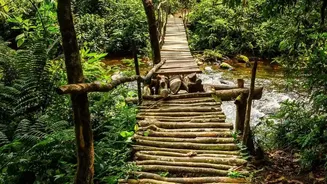
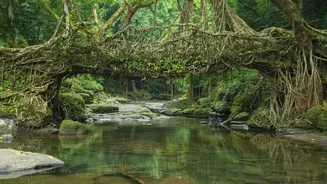
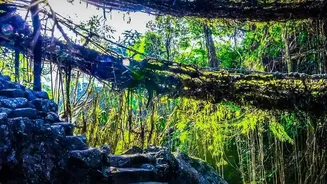
Deep in the forests near Sohra are the famous living root bridges, a testament to the ingenuity of the local Khasi tribes. These bridges are not built, but grown over many years from the aerial roots of the Ficus elastica (rubber fig) tree. The most famous of these is the Jingkieng Nongriat, or the Double-Decker Living Root Bridge, located in Nongriat village. Reaching it requires a challenging but rewarding trek of approximately 3,500 steps down into a valley. The journey itself is an experience, taking you across narrow suspension bridges and through dense, tropical foliage. These centuries-old structures are strong enough to hold dozens of people at once and only grow stronger with time.
More Waterfalls to Chase
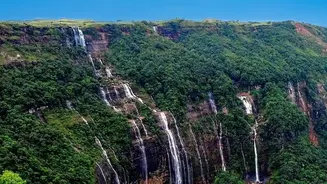
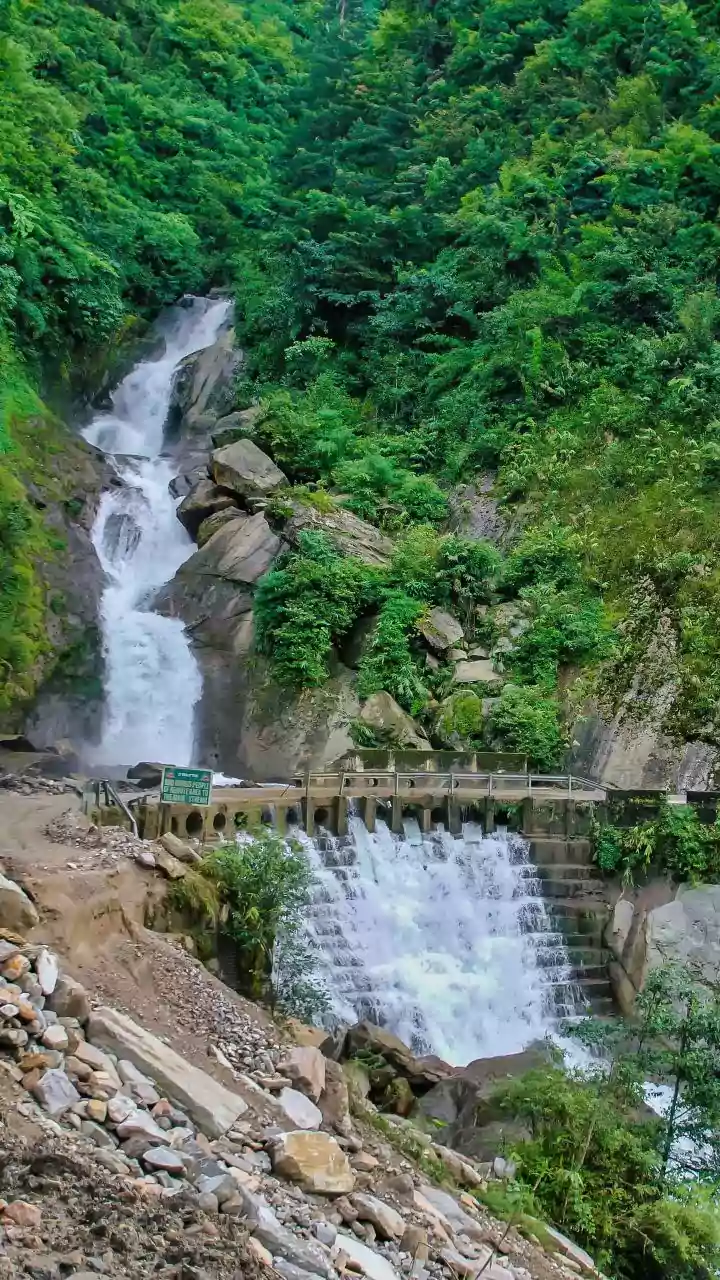
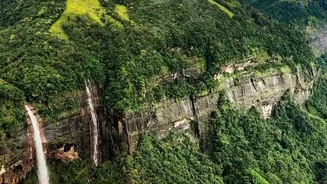
Beyond Nohkalikai, Sohra's plateau is dotted with other stunning waterfalls. The Nohsngithiang Falls, also known as the Seven Sisters Falls, is a magnificent sight where seven streams cascade down limestone cliffs. While at their absolute peak during the monsoon, they remain impressive in early autumn. Another must-visit is Dainthlen Falls, a wide, powerful waterfall with its own share of local legends. Nearby, the three-tiered Wei Sawdong Falls offers a uniquely picturesque view, though the trek down to its base can be steep and is best attempted in dry weather.
Planning Your Sohra Escape
Sohra is located about 55 kilometres from Shillong, the capital of Meghalaya, and the scenic drive takes about two hours. You can hire a private taxi or take a shared cab from Shillong. For the trek to the Double-Decker Root Bridge, you must first travel to Tyrna village, which serves as the starting point. It's advisable to start this trek early in the morning to allow ample time to enjoy the bridge and manage the strenuous climb back up. Pack comfortable trekking shoes with good grip, a light jacket for cool evenings, a raincoat for unexpected showers, and enough water for your hikes.