





Why is Everyone Talking About Fibre?
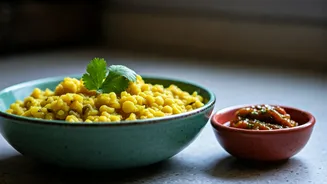
Suddenly, fibre is cool. Terms like 'fibermaxxing' are trending, and influencers are showcasing their high-fibre meals, from vibrant salads to hearty bowls of dal. This resurgence is driven by a growing public interest in gut health, with many now understanding
that a healthy gut is fundamental to overall well-being. After years focused on single nutrients like protein, there's a collective shift towards a more balanced approach. People are realizing that this humble plant-based component is a powerhouse for digestion, energy, and even disease prevention.
So, What Exactly Is Roughage?
Dietary fibre, or roughage, is a type of carbohydrate that our bodies can't digest. Instead of being broken down, it passes through our system relatively intact, which is a good thing. There are two main types, and we need both. Soluble fibre dissolves in water to form a gel-like substance. It helps slow digestion, which can prevent blood sugar spikes and lower bad cholesterol. Think of the soft texture of oats, beans, and apples. Insoluble fibre, on the other hand, doesn't dissolve. It acts like a broom, adding bulk to stool and helping to keep things moving smoothly through your digestive tract, preventing constipation. You'll find it in whole-wheat flour, nuts, and vegetables like cauliflower and green beans.
The Unsung Hero of a Healthy Gut
The benefits of a fibre-rich diet are immense. It's best known for promoting regularity and preventing constipation. But its job doesn't stop there. By keeping you feeling full for longer, fibre is a great ally in weight management. It plays a crucial role in heart health by helping to lower cholesterol levels and blood pressure. Furthermore, fibre is essential food for the trillions of good bacteria living in your gut. A happy, well-fed gut microbiome is linked to a stronger immune system, reduced inflammation, and a lower risk of chronic diseases like type 2 diabetes and certain cancers.
Finding Fibre in the Indian Kitchen
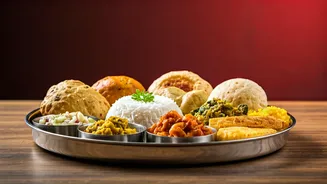
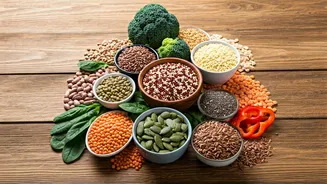
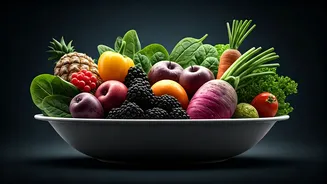
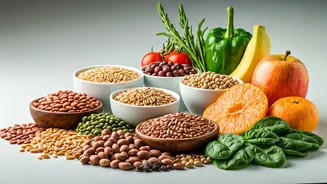
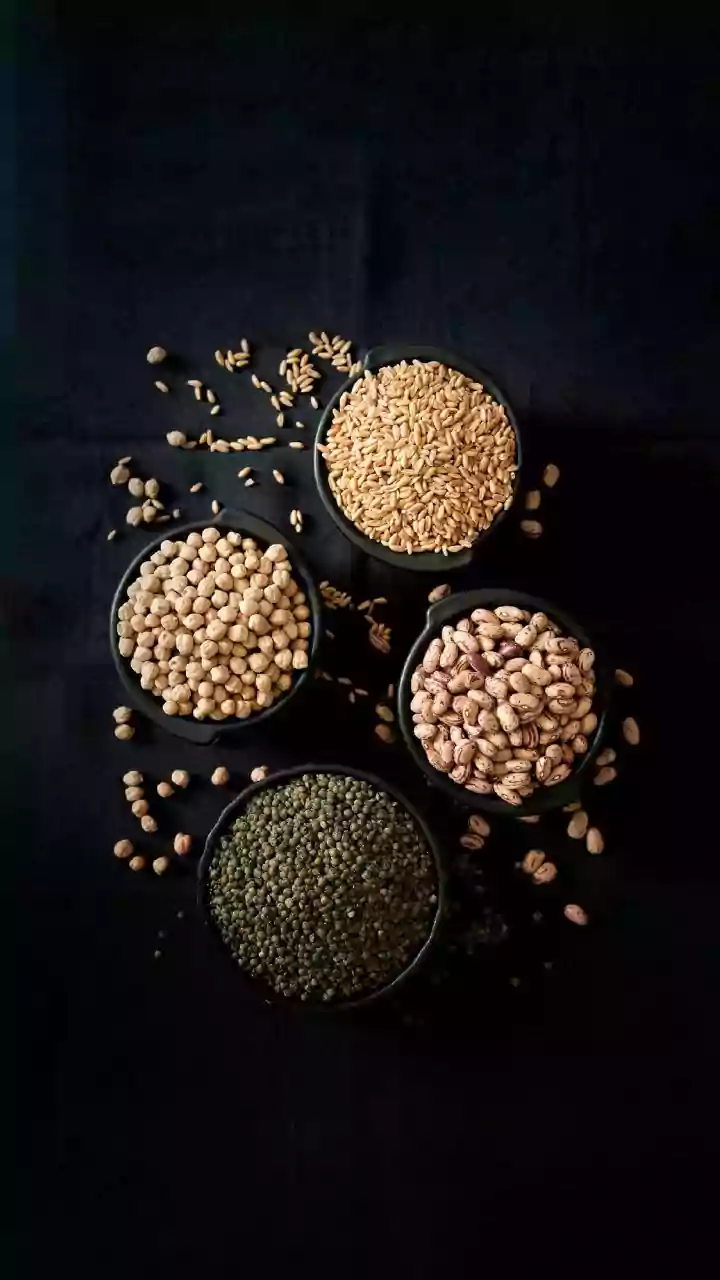
The good news is that a traditional Indian diet is naturally rich in fibre. You don't need to look for expensive, imported superfoods. Our own kitchens are treasure troves of fibre. Whole grains like whole-wheat atta for rotis, and millets like jowar, bajra, and ragi are fantastic sources. Lentils and legumes, the cornerstones of Indian cuisine—from rajma and chana to all varieties of dal—are packed with both fibre and protein. When it comes to vegetables, okra (bhindi), spinach (palak), and sweet potatoes are great options. For fruits, guavas, apples (with the skin), papayas, and bananas are excellent choices.
How to Get Started (The Right Way)
While most Indians' diets have traditionally been fibre-rich, modern lifestyles and processed foods mean many of us are falling short of the recommended 25-38 grams per day. Studies suggest the average intake in urban areas can be as low as 15 grams. If you're looking to boost your intake, the key is to do it gradually. Adding too much fibre too quickly can lead to bloating, gas, and cramping. Start by making simple swaps, like choosing brown rice over white, or having a whole fruit instead of juice. Spread your fibre intake throughout the day rather than in one giant meal. And most importantly, drink plenty of water. Fibre works best when it absorbs water, which helps soften your stool and allows it to pass easily.