




The New Era of Pet Dining
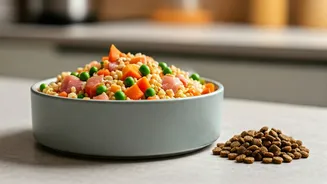
For decades, the humble scoop of kibble has been the mainstay of canine and feline nutrition—convenient, affordable, and formulated to be complete. But a new wave of pet food is challenging its dominance. This includes fresh, gently-cooked meals made
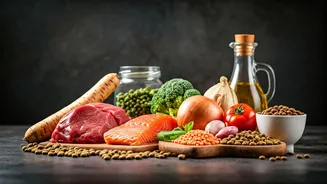
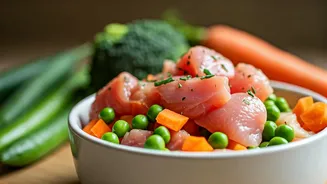
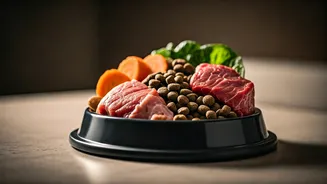
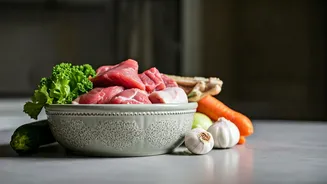
with human-grade ingredients like real chicken, carrots, and sweet potatoes, often portioned and delivered to your door. Other options include commercially prepared raw diets and meticulously planned home-cooked recipes. The appeal is clear: ingredient transparency and minimal processing. Pet parents are drawn to the idea of feeding their pets 'real food' they can recognise, moving away from long lists of chemical-sounding preservatives and fillers sometimes found in lower-quality dry foods.
The Fresh Food Promise
Proponents of fresh diets point to a host of potential benefits. Many vets and owners report seeing improved digestion, healthier skin, and a shinier coat. Because fresh food has a high moisture content (around 65-75% compared to kibble's 10%), it can improve hydration, which is crucial for kidney and urinary tract health, especially in India's hot climate. Research also suggests that the nutrients in gently cooked foods are more bioavailable, meaning dogs can absorb and utilise them more efficiently. This often results in smaller, firmer stools—an unexpected but welcome change for many owners. Some studies even suggest a link between fresh diets and a longer lifespan, though this is an area of ongoing research.
In Defence of Kibble
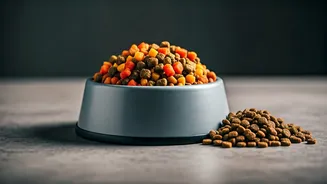
Before you toss out the pellets, it's important to remember that not all kibble is created equal. High-quality dry food remains a sound, science-backed nutritional choice. Top-tier brands invest heavily in research, formulating diets that meet the strict standards set by bodies like the Association of American Feed Control Officials (AAFCO). These standards ensure a complete and balanced diet with the right ratios of protein, fats, vitamins, and minerals for a pet's specific life stage, from puppyhood to senior years. Kibble's convenience is undeniable; it's shelf-stable, easy to store, and simple to portion. For busy households or those on a tighter budget, premium kibble is often the most practical and reliable way to provide balanced nutrition.
The Veterinarian's Verdict
So, what do the experts think? The veterinary community is cautiously optimistic but urges careful consideration. The biggest concern with non-kibble diets, particularly homemade ones, is nutritional imbalance. Studies have shown that the vast majority of homemade diet recipes found online are deficient in one or more essential nutrients, which can lead to serious health problems like weak bones or organ stress over time. "Vet-approved" is the key phrase here. A diet is only truly beneficial if it's formulated by a certified veterinary nutritionist to be complete and balanced. While many vets see the benefits of high-quality fresh food, they stress that a well-formulated commercial kibble is often safer and more reliable than an improperly prepared homemade meal.
Cost, Convenience, and the Indian Context
In India, the choice is further complicated by cost and logistics. Fresh food subscriptions are significantly more expensive than even premium kibble. For a large dog, the monthly cost can be substantial. It also requires precious freezer or refrigerator space. However, many Indian pet parents are adopting a hybrid approach. Some use fresh food as a 'topper' to improve the palatability and nutritional value of a home-cooked meal of rice and chicken, fixing the nutritional gaps. Others mix a smaller portion of fresh food with kibble, getting some of the benefits while managing costs. This balanced approach might be the most sustainable for many urban Indian households.