







Cleanse Gently, Not Aggressively
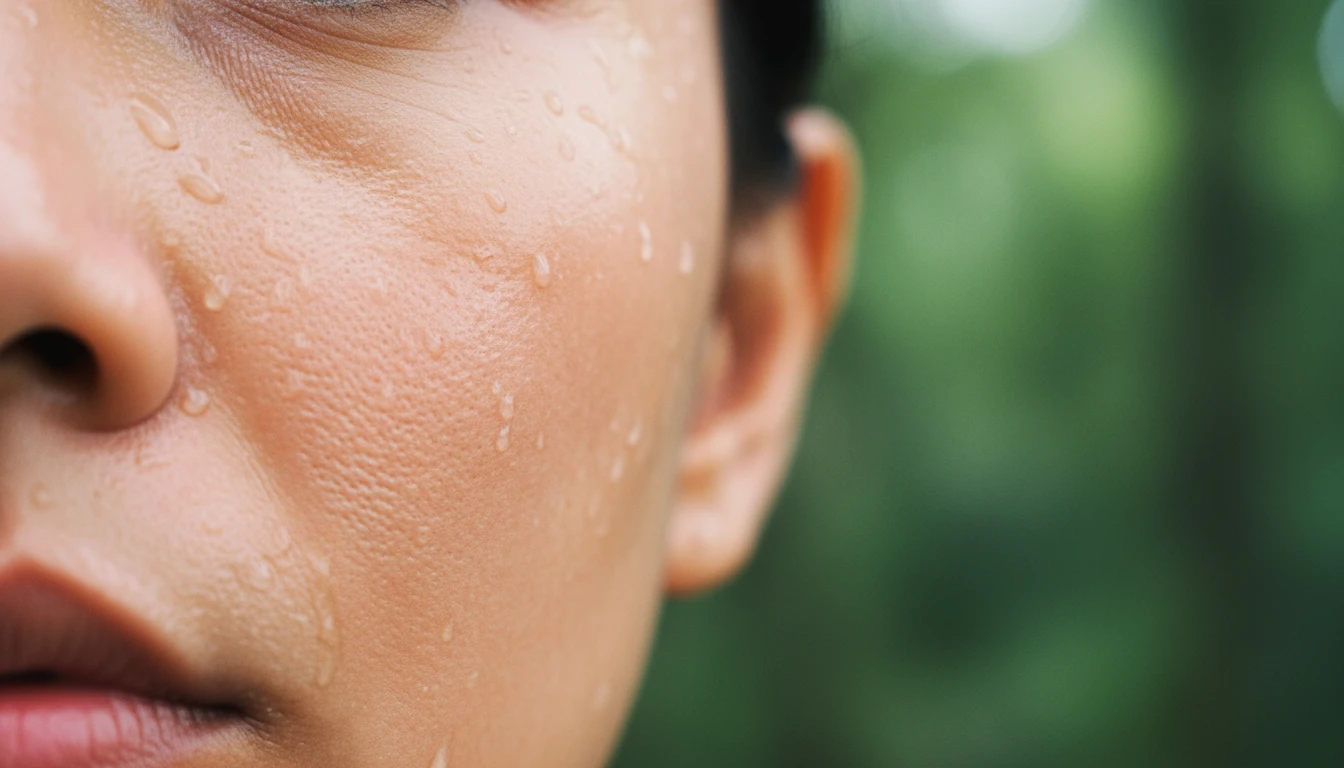
The sticky, grimy feeling might tempt you to wash your face constantly, but this can do more harm than good. Over-washing strips your skin of its natural oils, prompting it to produce even more sebum to compensate, leading to a vicious cycle of oiliness
and breakouts. Stick to cleansing just twice a day with a gentle, sulphate-free face wash. If you have been sweating excessively or got caught in the rain, a simple splash of plain water is often enough. Look for cleansers with ingredients like salicylic acid, which helps to keep pores clear.
Switch to a Lightweight Moisturiser
It's a common myth that oily or sticky skin doesn't need a moisturiser. Environmental humidity is not the same as skin hydration. When your skin is dehydrated, it can overproduce oil. The key is to swap your heavy creams for something more appropriate for the weather. Opt for a lightweight, non-comedogenic (meaning it won't clog pores), gel-based moisturiser. Ingredients like hyaluronic acid are excellent, as they hydrate the skin without adding any greasiness, helping to maintain a healthy skin barrier.
Don't Skip Sunscreen on Cloudy Days
Don't let the cloud cover fool you; harmful UV rays can easily penetrate through them and cause significant skin damage. Sun exposure can also worsen the dark spots and marks that breakouts leave behind. Make it a non-negotiable habit to apply a broad-spectrum sunscreen with at least SPF 30 every single morning. For monsoon, a gel-based or matte-finish formula is ideal as it feels lighter on the skin and is less likely to contribute to clogged pores.
Exfoliate, But With Caution
The combination of sweat and oil in humid weather can cause a rapid build-up of dead skin cells, leading to dull skin and clogged pores. Exfoliation is crucial to manage this, but it must be done gently. Harsh physical scrubs can cause micro-tears and irritate the skin, making acne worse. Instead, consider using a mild chemical exfoliant with ingredients like AHAs or BHAs (like salicylic acid) once or twice a week. This will help slough off dead skin cells and deep clean pores without being overly abrasive.
Keep Your Hands Off Your Face
This is a simple habit that makes a huge difference. Your hands come into contact with countless surfaces throughout the day, accumulating dirt, oil, and bacteria. Every time you touch your face, you transfer these impurities onto your skin, increasing the risk of irritation and breakouts. Be mindful of resting your chin on your hand or casually touching your face. Similarly, resist the urge to pick or pop pimples, as this can lead to inflammation, infection, and long-term scarring.
Rethink Your Diet and Hydration
What you consume can have a direct impact on your skin's health. While it is tempting to indulge in hot, fried snacks during the rainy season, excessively oily and sugary foods can sometimes trigger acne flare-ups in susceptible individuals. Try to incorporate more fresh fruits, vegetables, and nuts into your diet. Most importantly, stay hydrated from the inside out. Drinking plenty of water—aim for 2-3 litres a day—helps flush toxins from your body and supports overall skin health.
Mind Your Surroundings and Clothes
The dampness of monsoon isn't just a problem for your skin's surface; it creates a breeding ground for bacteria and fungi everywhere. Pay attention to your immediate environment. Change your pillowcases and towels frequently. If you get wet in the rain, make sure to have a shower with clean water as soon as possible, as rainwater can carry pollutants. Opt for loose, breathable cotton clothes instead of synthetic fabrics to reduce sweat and prevent fungal infections on the body, which can sometimes be mistaken for acne.