


Decoding 'Ultra-Processed'
The conversation about processed foods is often confusing because most of what we eat is processed in some way. To bring clarity, many researchers use the NOVA classification system, which categorises food into four groups based on the level of processing.
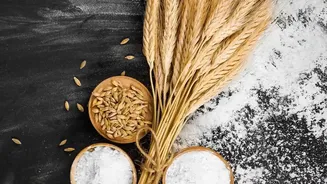
Group 1 is 'unprocessed or minimally processed foods' like fresh fruits, vegetables, grains, and meats. Group 2 is 'processed culinary ingredients' such as oils, salt, and sugar. Group 3 covers 'processed foods'—think canned vegetables, simple cheeses, and freshly made bread, which are essentially combinations of items from the first two groups. The controversy centres on Group 4: 'ultra-processed foods' (UPFs). These are industrial formulations made from substances extracted from foods (like fats, starches, and sugars) and often include additives you wouldn't use in a home kitchen, such as colours, emulsifiers, and artificial flavours. Examples range from sugary drinks and packaged snacks to instant noodles and some frozen meals.
The Science Behind the Health Concerns
A large and growing body of research has linked high consumption of UPFs to a greater risk of numerous health problems. Studies have shown strong associations between diets heavy in ultra-processed foods and increased rates of heart disease, type 2 diabetes, obesity, and even certain types of cancer. One major review found convincing evidence that high UPF intake increases the risk of death from cardiovascular disease by 50% and the risk of anxiety by 48%. The reasons are thought to be multifaceted. Many UPFs are high in added sugar, unhealthy fats, and salt, while being low in beneficial fibre and micronutrients. Furthermore, they are often designed to be 'hyper-palatable,' making them easy to overeat. Some scientists also suggest that factors beyond just the nutrients, such as the industrial processing itself and the additives used, could play an independent role in these health risks.
Why the UPF Label Can Be Misleading
Here's where the context becomes crucial. The 'ultra-processed' category is extremely broad and includes a wide variety of products, not all of which are nutritionally equal. For example, a packaged whole-grain bread or a fortified breakfast cereal could be classified as a UPF right alongside a candy bar or a soda. However, common sense—and nutritional science—tells us these foods have very different health implications. One provides fibre and essential nutrients, while the other offers little more than empty calories. Critics of the NOVA system argue that focusing solely on the level of processing can mask these important differences in nutritional quality. A whole-wheat bread with added protein might be labelled a UPF, while a homemade cake full of refined flour and sugar would not be, even though the former could be a healthier choice. This highlights that the UPF classification is a useful starting point, but not a perfect system.
Focus on the Pattern, Not a Single Product
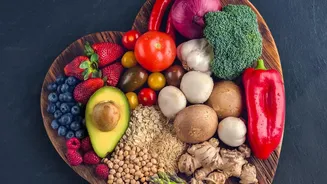
Ultimately, nutrition experts emphasise that a healthy diet is about the overall pattern, not vilifying single foods or categories. The primary issue with UPFs is that a diet dominated by them tends to displace more nutritious, whole foods. If you're filling up on chips, cookies, and ready-meals, you're likely not eating enough vegetables, fruits, lean proteins, and whole grains. An occasional UPF snack within an otherwise balanced and nutrient-dense diet is unlikely to cause significant harm. The problem arises when these foods become the foundation of your daily intake, which is the case for a growing number of people. It’s also important to consider real-world factors like cost, convenience, and access. For many, UPFs are an affordable and readily available source of calories.
A Smarter Approach to Your Diet
Instead of becoming fearful of the 'ultra-processed' label, a more constructive approach is to become a more mindful consumer. The goal should be to reduce your reliance on UPFs, especially those high in sugar, salt, and unhealthy fats, and increase your intake of whole and minimally processed foods. Reading ingredient lists can be more informative than just worrying about a category. If the list is short and contains ingredients you recognise, it's generally a better choice. Prioritise cooking at home when possible, as this gives you full control over what goes into your meals. When you do buy packaged foods, compare labels and opt for versions with less added sugar and sodium and more fibre. The aim is not perfection or total elimination, but a gradual shift toward a diet built on a foundation of whole foods.