


What Exactly Is Sattu?
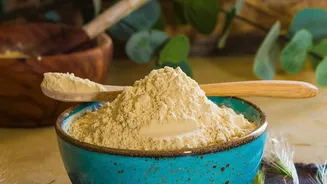
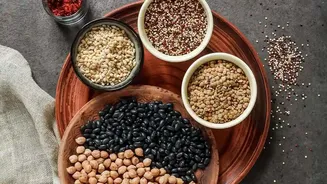
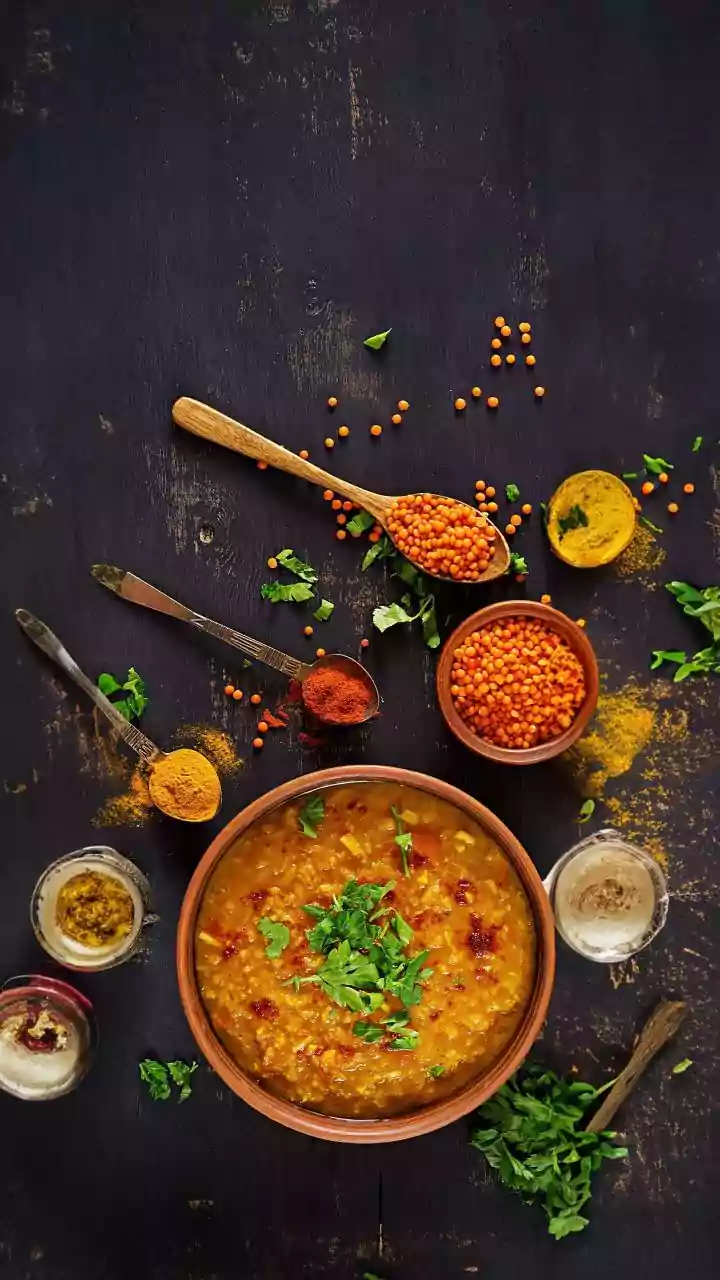
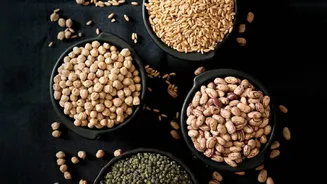
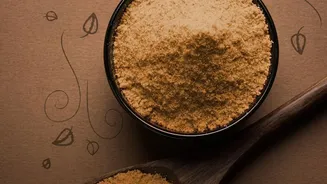
Sattu is a flour made from roasted grains and pulses, most commonly Bengal gram (chana). This ancient staple, popular in states like Bihar, Jharkhand, and Uttar Pradesh, is celebrated for its convenience and dense nutritional profile. The roasting process
is key; it not only imparts a unique nutty flavour but also increases the digestibility and bioavailability of its nutrients compared to raw flours. Often called a 'poor man's protein' for its affordability, sattu is now gaining recognition as a modern superfood for athletes and fitness enthusiasts alike.
The Science of Post-Workout Recovery
Intense exercise causes microscopic tears in your muscle fibres. This is a normal part of building strength, but the repair process requires specific nutritional support. The body needs protein to mend these tears and rebuild the tissue stronger, a process known as muscle protein synthesis. Consuming adequate protein after a workout provides the essential amino acids—the building blocks of protein—needed to kickstart this repair process, reduce soreness, and accelerate recovery. Experts recommend consuming around 20-40 grams of protein within a couple of hours post-exercise to maximize this recovery window.
Sattu: A Nutritional Powerhouse for Repair
This is where sattu shines. A 100-gram serving of chana sattu packs an impressive 20-25 grams of high-quality, plant-based protein, making it a formidable contender against many commercial protein powders. This protein is crucial for muscle repair. Beyond protein, sattu is rich in complex carbohydrates that replenish depleted energy stores (glycogen) after a workout. It also delivers essential minerals like iron and magnesium, which combat fatigue and support muscle function. Its high fibre content promotes satiety, helping you avoid unhealthy post-workout snacks.
Building the Perfect Recovery Bowl
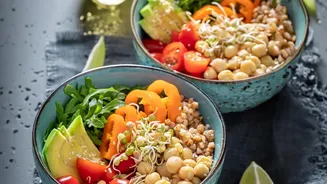
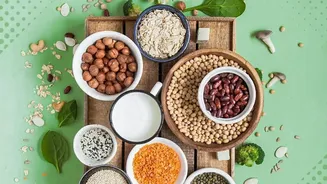
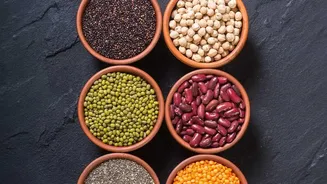
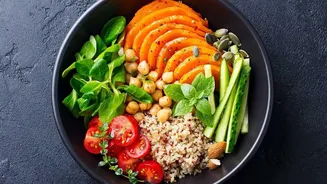
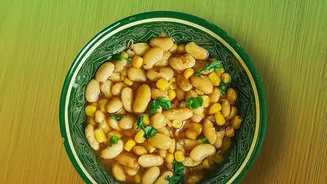
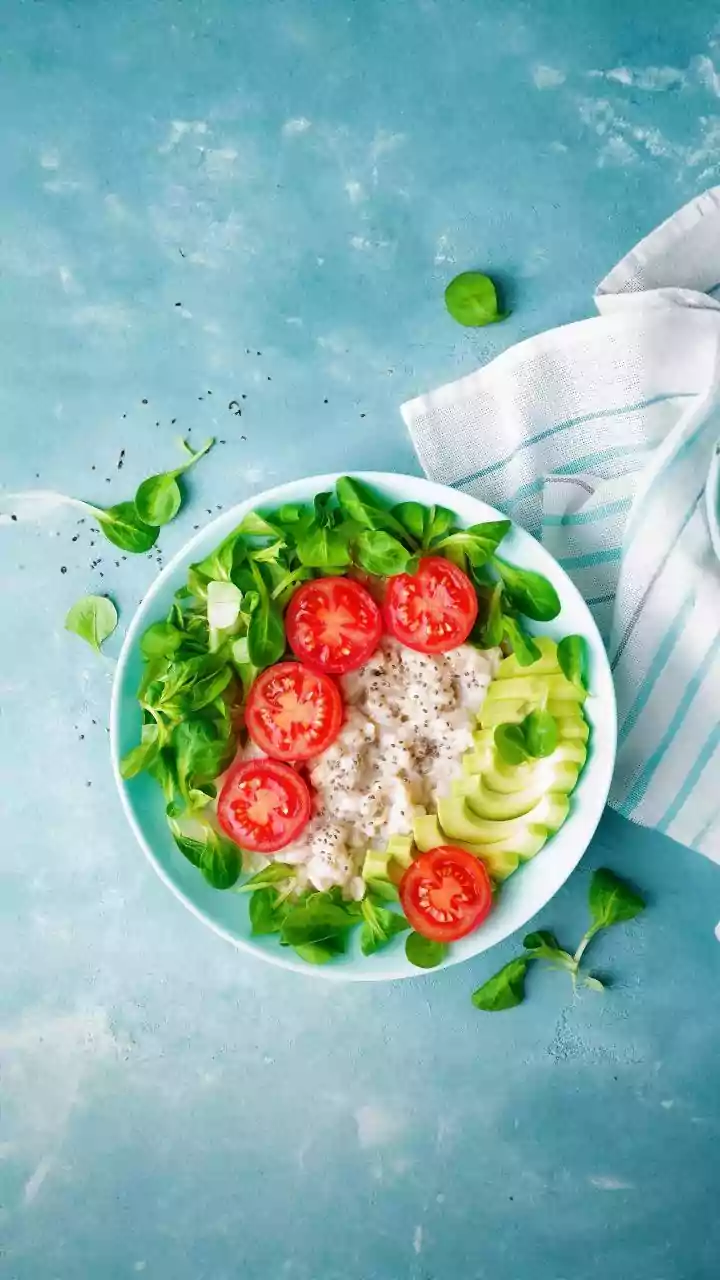
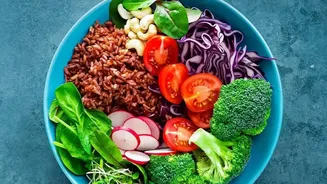
While sattu is traditionally consumed as a drink, creating a sattu legume bowl transforms it into a satisfying and nutritionally complete meal. Combining sattu with other legumes creates a robust dish that supports recovery. Start with a base of cooked grains like quinoa or brown rice. Then, build your bowl with a variety of protein- and fibre-rich ingredients. Add a generous portion of boiled chickpeas, kidney beans, or black beans. Mix in two to three tablespoons of sattu for a protein and flavour boost. To enhance the bowl further, incorporate fresh, chopped vegetables like onions, tomatoes, and cucumber for vitamins and crunch. For a dressing, a simple mix of lemon juice, black salt, and roasted cumin powder works wonders. This combination ensures you get a balanced mix of protein, complex carbs, and micronutrients.
More Than Just a Bowl
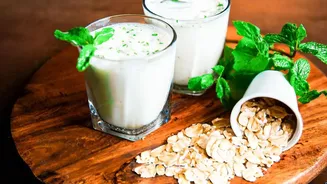
The versatility of sattu extends far beyond recovery bowls. For a quick and effective post-workout option, a sattu smoothie is ideal. Blend a few tablespoons of sattu with a banana, a cup of milk or a plant-based alternative, and a touch of honey or jaggery. This provides a quick hit of protein and natural sugars to replenish glycogen. Sattu can also be kneaded into dough for parathas or rotis, providing a protein boost to your regular meals. On hot days, a savoury sattu sharbat, mixed with water, lemon, and spices, acts as a natural electrolyte drink, aiding hydration and cooling the body after a sweaty workout session.