




The Seductive Promise of 'Wellness'
Scroll through any social media feed in India, and you'll be flooded with the promises of the modern wellness industry. It's a dazzling world of activated charcoal lattes, Himalayan salt lamps, and IV drips promising instant energy and glowing skin. We're
told to optimise, bio-hack, and upgrade our bodies with expensive superfoods from distant lands and supplements with complicated names. The industry, worth billions, thrives on the idea that health is a luxury product you can buy. It suggests that with the right purchase—be it a Noni juice subscription or a pricey adaptogen powder—you can unlock a new level of vitality. It’s an appealing narrative, especially in our fast-paced lives where quick fixes are always welcome. But in this race for the next big thing, we often speed past the fundamentals.
The Unseen Risks in a Glass of Water
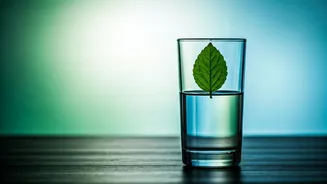
Now, let’s talk about something far less glamorous but infinitely more important: the water you drink every day. According to reports from organisations like the WHO and NITI Aayog, a significant portion of India's water sources are contaminated. We aren't just talking about cloudy water. We're talking about invisible threats like bacteria (E. coli, Salmonella), viruses (Hepatitis A, Norovirus), parasites (Giardia), and heavy metals like lead and arsenic. These contaminants are responsible for a huge burden of disease, causing everything from acute diarrhoeal diseases—a leading cause of mortality in young children—to chronic conditions like kidney damage and certain cancers. While you’re considering a ₹3,000 supplement to 'boost immunity', the very liquid you use to swallow it could be actively working against your body’s defences. No amount of fancy wellness can protect you from the foundational damage caused by consistently drinking unsafe water.
Foundation vs. Decoration
Think of your health as a house. Safe water, nutritious food, adequate sleep, and basic hygiene are the foundation. They are non-negotiable. Without a strong foundation, the house is unstable. The expensive wellness trends? They are the decorations. A fancy chandelier (an IV drip) or an imported rug (exotic berries) might look nice, but they are useless if the walls are crumbling. Your body is a complex system that relies on water for literally everything: nutrient transport, temperature regulation, cellular function, digestion, and waste removal. When your water is contaminated, every single one of these processes is compromised. Your body spends its energy fighting off low-grade infections or dealing with toxic elements instead of repairing and thriving. Pouring an expensive 'detox' juice into a system already burdened by contaminated water is like mopping the floor while a pipe is still leaking. You’re addressing the symptom, not the source.
Practical Steps for Water Safety
The good news is that ensuring water safety is far more accessible than keeping up with wellness fads. The most reliable, age-old method is to boil your water. Bringing water to a rolling boil for at least one minute kills most bacteria, viruses, and parasites. For a more convenient, modern solution, investing in a good water purifier is a wise choice. In India, the main technologies are RO (Reverse Osmosis), UV (Ultraviolet), and UF (Ultrafiltration). RO is effective against dissolved salts, heavy metals, and most contaminants, making it ideal for areas with hard water. UV purifiers use ultraviolet light to kill bacteria and viruses but don't remove dissolved solids. UF uses a physical membrane to block larger particles and pathogens. Many modern purifiers combine these technologies (RO+UV+UF) for comprehensive protection. Choosing the right one depends on the quality of your local water supply, but any of them is a better investment for your health than a month’s supply of kombucha.
Rethink Your Health Priorities
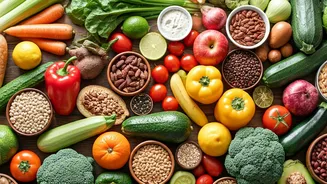
This isn't to say all wellness products are useless. A balanced diet is crucial, and specific supplements can be necessary for deficiencies under a doctor’s guidance. But the obsession with expensive, often unproven 'optimisations' while neglecting the basics is a costly mistake. Before you spend thousands on a wellness retreat or a complicated diet plan, ask yourself a simple question: 'Is the water I drink every day clean and safe?' If you're not 100% sure, addressing that should be your absolute first priority. This shift in mindset—from chasing trends to mastering fundamentals—is the most powerful wellness hack of all. It saves you money, protects you from genuine health risks, and builds a truly resilient foundation for long-term well-being.