


The Silent Problem Below the Gums
Most pet owners don't realize that by the time their dog or cat reaches three years of age, they are likely to have some form of dental disease. Unlike a visible injury, periodontal issues develop silently. The problem starts with plaque—a sticky film
of bacteria. If not removed, it hardens into tartar, leading to inflamed gums (gingivitis). This is more than just 'doggy breath'. It's the first stage of a disease that, left unchecked, progresses to attack the structures supporting the teeth. Since pets are experts at hiding pain, owners often don't notice a problem until the disease is advanced, causing discomfort, tooth loss, and more serious complications.
Beyond Bad Breath: Systemic Threats
The most significant danger of poor dental health is what happens when the problem spreads. The mouth provides a direct gateway to the bloodstream. When gums are inflamed and infected, bacteria can enter the circulatory system and travel to vital organs. This bacterial infiltration can lead to serious and sometimes life-threatening conditions. The heart, liver, and kidneys are particularly vulnerable. Studies have linked advanced periodontal disease to an increased risk of heart conditions like endocarditis (inflammation of the heart lining), as well as chronic kidney and liver disease. Essentially, a problem that starts in the mouth can trigger a cascade of systemic inflammation and illness throughout your pet's body.
What a Professional Cleaning Involves
An annual dental checkup is far more comprehensive than simply brushing teeth. To perform a thorough examination and cleaning, your pet will be placed under general anesthesia. This is necessary for their safety and comfort, and it allows the veterinary team to clean below the gumline, where the most dangerous bacteria thrive. The procedure starts with a full oral exam. A technician will then use specialized ultrasonic and hand scalers to remove plaque and tartar from above and below the gumline. After scaling, the teeth are polished to smooth out microscopic scratches, making it harder for new plaque to stick. Dental X-rays may also be taken to reveal hidden problems like root decay or bone loss, which are invisible to the naked eye.
Signs of Trouble to Watch For
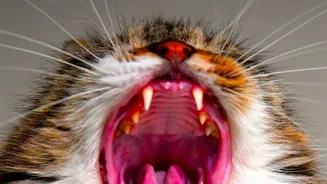
While professional cleanings are essential, vigilant home care is just as important. In between vet visits, watch for the warning signs of emerging dental issues. The most common sign is persistent bad breath (halitosis). Other red flags include red, swollen, or bleeding gums, and yellow or brown tartar buildup on the teeth. You might also notice behavioural changes. A pet experiencing oral pain may be reluctant to eat, chew on only one side of their mouth, drop food, or show less interest in their favourite chew toys. Pawing at the mouth or excessive drooling can also indicate discomfort. If you see any of these signs, it's time to schedule a veterinary visit.
An Investment in a Longer, Happier Life
Viewing annual dental cleanings as a preventative measure is a shift in perspective. It's not just a treatment for a problem, but an investment in your pet's overall quality of life and longevity. By preventing severe periodontal disease, you're not only avoiding painful extractions and discomfort for your pet, but you are also actively protecting their vital organs from the silent threat of bacterial infiltration. Regular care helps maintain their ability to eat comfortably, play without pain, and ultimately, it supports a healthier, more energetic, and longer life by your side. Consistent dental care is one of the most effective ways you can contribute to their long-term wellness.