





The Unsung Heroes of the Mithai Box
Every region in India has its own culinary superstars—sweets and snacks that have travelled beyond their home kitchens to become national sensations. We've seen litti chokha rise from the streets of Bihar to feature on fine-dining menus. In this crowded
landscape of celebrated foods, two of Bihar's most iconic sweets, Thekua and Khaja, remain beloved but largely regional treasures. They are the dependable supporting cast in the grand drama of Indian mithai, always present at festivals and family gatherings, but rarely given the lead role they so richly deserve.
Thekua: A Taste of Devotion and Home
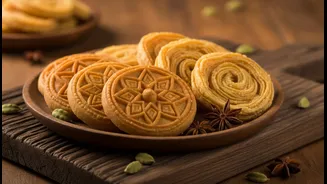
For anyone from Bihar, the aroma of Thekua is the smell of Chhath Puja. This deep-fried biscuit, made from whole wheat flour, ghee, and sweetened with jaggery or sugar, is the principal prasad for the festival. Its preparation is a ritual in itself, often done with immense purity and reverence. The stiff dough is pressed into beautiful patterns using wooden moulds (sancha), a tradition passed down through generations. The result is a uniquely crunchy, yet tender, snack that is rustic and refined at once. Its long shelf-life made it a perfect travelling companion for generations, but its true power lies in its ability to evoke a sense of home and devotion in a single bite.
Khaja: The Flaky, Layered Wonder
If Thekua is about rustic devotion, Khaja is a testament to culinary craftsmanship. Often compared to the Turkish baklava for its multiple crisp layers, this sweet is a deep-fried pastry soaked in sugar syrup. The version from Silao in Nalanda district is so unique in its taste and crispiness—attributed to the local water and climate—that it has been granted a Geographical Indication (GI) tag. Legends trace Khaja's history back thousands of years, with some stories suggesting it was offered to Lord Buddha. Consisting of twelve to sixteen delicate, paper-thin dough sheets layered on top of each other, each bite is a symphony of crunch and sweetness. It's a celebratory sweet, essential at weddings and a symbol of good tidings.
From Regional Pride to National Treasure
Why haven't these sweets achieved the nationwide fame of, say, a Gulab Jamun or a Rasgulla? Part of the reason is their deep connection to specific rituals and regions. Thekua is synonymous with Chhath, and Khaja with Bihari weddings and festivals. But these connections, while beautiful, may have limited their journey. For these sweets to get their 'main character' moment, they need to be seen beyond their traditional roles. We need cafes in Mumbai and Bengaluru to experiment with a 'Thekua crumble' for their cheesecakes, or for chefs to deconstruct the flaky wonder of Khaja into a modern dessert. The journey from regional favourite to national icon often begins when a dish is embraced, adapted, and celebrated by a wider audience.
It’s Time for the Spotlight
Thekua and Khaja are not just sweets; they are edible stories of Bihar's rich history, culture, and devotion. They represent a culinary heritage that is both ancient and incredibly delicious. In an age where food lovers are constantly seeking authenticity and new experiences, these two are perfectly poised for discovery. They have the taste, the texture, and the story. All they need is for us—the foodies, the chefs, and the proud Biharis—to champion them with the passion they deserve. They've been waiting patiently; it's time to give Thekua and Khaja the spotlight.