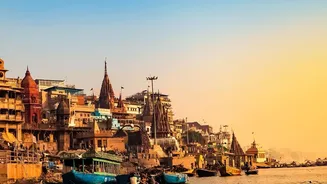







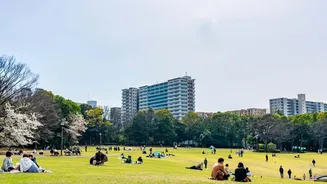
The persistent hum of traffic, the constant glow of screens, and air thick with city smog. For a growing number of urban Indians, this isn't just daily life; it's a state of exhaustion that a typical vacation can no longer fix.
The Rise of the Recovery Holiday
Forget frantic sightseeing
and packed itineraries. A new travel trend is taking hold, born from a collective need to genuinely rest and recuperate. Dubbed 'urban recovery holidays' or 'quietcations', these trips prioritise stillness, silence, and clean air over everything else. It’s a direct response to the sensory overload of city living, where the primary goal isn't just to see a new place, but to feel better. Travel industry experts note that more people are choosing holidays focused on health and meaningful experiences rather than conventional tourism. This shift is especially pronounced in India, where post-pandemic burnout and alarming urban air quality have made travellers hyper-aware of their environment. As one report notes, checking the Air Quality Index (AQI) is becoming as routine as checking hotel reviews for many Indian families.
Driven by a Breath of Fresh Air
The quest for clean air is a powerful motivator. In late 2026, as post-Diwali smog blanketed cities like Delhi with a hazardous AQI nearing 450, travel to nearby hill stations like Shimla saw a significant spike. These weren't pre-planned festive trips; they were spontaneous escapes by families seeking respite from the pollution. This phenomenon is becoming a regular pattern, with travel agencies reporting a nearly 20% increase in bookings from smog-heavy regions during peak pollution weeks. Destinations known for their low AQI, such as those in the Himalayas, the coastal stretches of Goa and Kerala, and the verdant hills of Coorg and Wayanad, are becoming prime choices for these clean-air-relief holidays.
The Science of Quiet and Nature
The benefits of escaping to nature are more than just a feeling; they are backed by science. Spending time in natural environments has been proven to lower levels of cortisol, the body's primary stress hormone. The sounds of nature, like rustling leaves and flowing water, engage the brain in 'soft fascination', allowing it to rest and recover from the mental strain of urban chaos. This state, often called the 'rest and digest' response, is governed by the parasympathetic nervous system and helps counteract the chronic 'fight-or-flight' mode that city life can induce. Fresh air, natural light, and gentle movement all contribute to regulating sleep cycles, boosting mood, and improving mental clarity. Even a short ten-minute spell in a natural setting can measurably improve well_being.
What to Expect from a Nature Stay
These quiet stays are defined by what they lack: no loud music, no TVs in common areas, and often, patchy mobile reception. Instead, the focus is on immersion in the surroundings. Accommodations range from ecofriendly cottages made of local materials like bamboo and mud to luxurious glass cabins with panoramic forest views. Many are farm stays where guests can participate in organic farming, learn about local flora, or enjoy meals made from freshly harvested produce. The experience is about slowing down—think guided nature walks, birdwatching, yoga sessions, or simply finding a quiet corner to read a book. The underlying principle is 'hushpitality', an approach to hospitality that intentionally designs spaces for quiet, reflection, and a digital detox.