
A Return to Culinary Roots
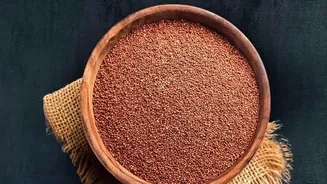
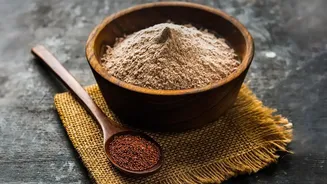
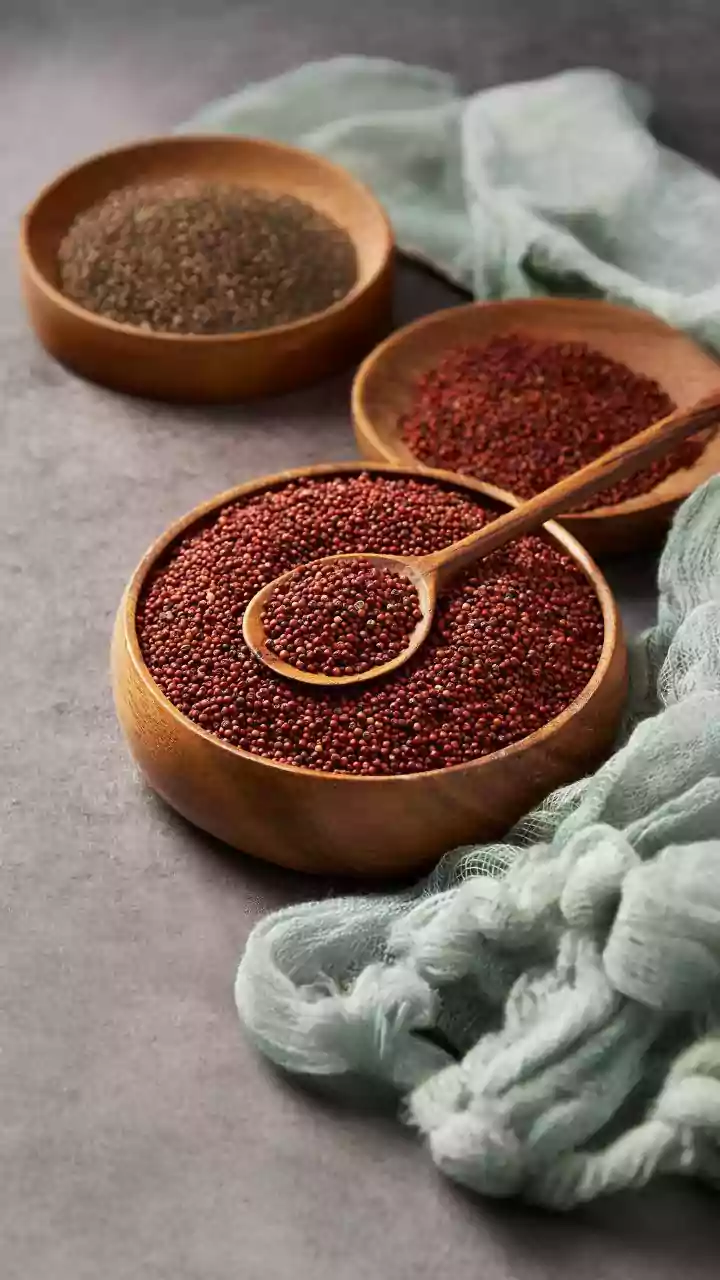
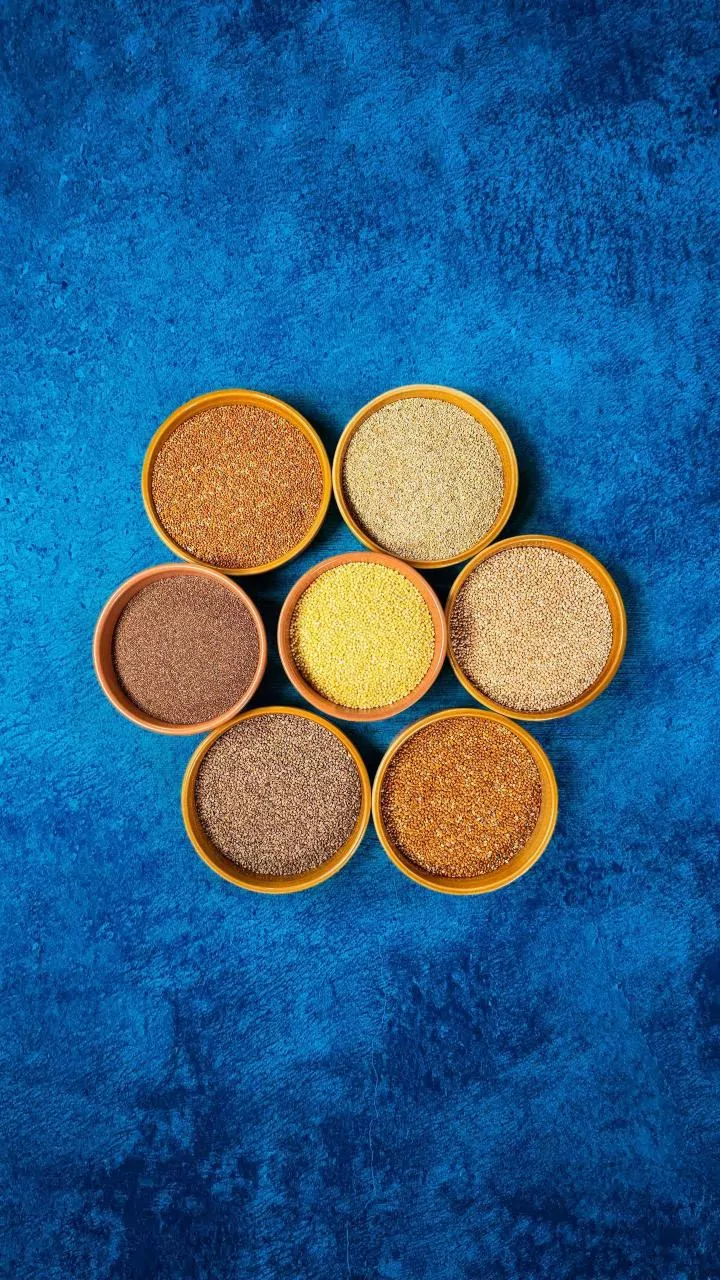
For generations, grains like bajra, jowar, and ragi were not trendy 'superfoods' but simply everyday food. They were the foundation of regional diets, from bajra roti in the north to ragi mudde in the south. However, following the Green Revolution, a nationwide
focus on high-yield wheat and rice gradually pushed these traditional grains out of the mainstream, branding them as 'coarse' or 'poor man's food'. Now, the tide is turning. A renewed focus on health, sustainability, and heritage, bolstered by initiatives like the International Year of Millets in 2023, has sparked a major revival. Modern home cooks are rediscovering what their grandparents knew: that these grains are not just nutritious but also incredibly delicious and adaptable.
The Nutritional Powerhouse on Your Plate
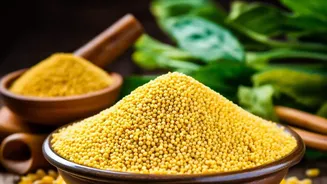
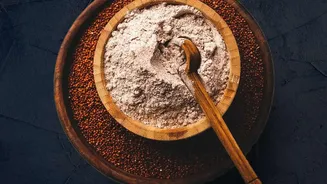
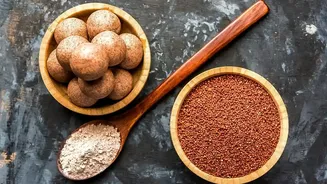
So, why the sudden shift? A big part of the appeal lies in their powerful nutritional profile. Unlike polished rice and refined wheat, millets are packed with protein, dietary fibre, and essential minerals. For instance, ragi (finger millet) is famously rich in calcium, while bajra (pearl millet) is an excellent source of iron and zinc. This dense nutrient content makes them a smart choice for daily meals. Furthermore, most millets have a low glycemic index, which means they release sugar into the bloodstream slowly. This helps in managing blood sugar levels, provides sustained energy, and keeps you feeling full for longer, reducing the urge to snack. Their high fibre content supports healthy digestion, and because they are naturally gluten-free, they are an excellent option for those with gluten sensitivity or celiac disease.
Beyond Porridge: The Savoury Revolution
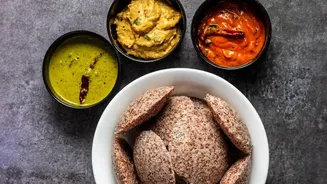
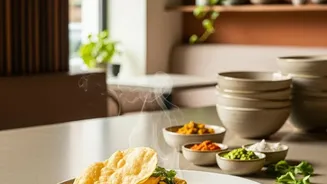
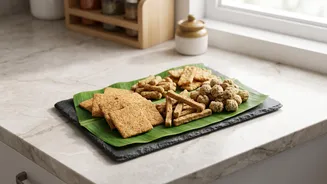
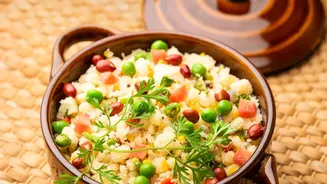
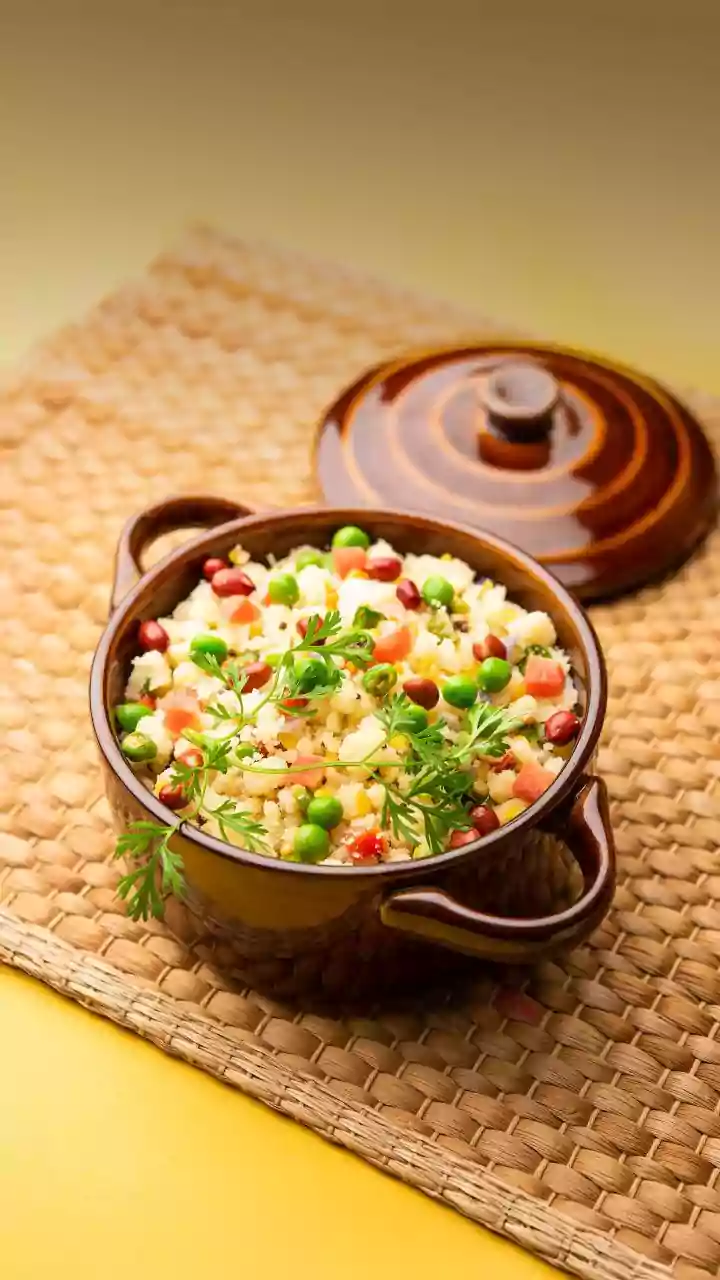
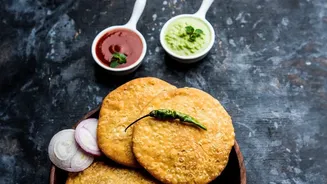
Perhaps the most exciting part of this revival is the culinary creativity it has unleashed. For many, millets were once only associated with simple porridge or rustic flatbreads. Today, home cooks are proving just how versatile these grains can be, especially in savoury dishes that are perfect for any meal of the day. They seamlessly fit into foods Indians already cook and love. Foxtail and little millet, with their rice-like texture, are being used to make flavourful pulaos, tangy lemon 'rice', and hearty khichdis. Millet flour is transforming dosas, idlis, and upmas, while whole grains are being used in vibrant salads and comforting curd 'rice'. The reason for this versatility is that millets are brilliant at absorbing flavours. Whether it’s a fragrant tadka of mustard seeds and curry leaves or the rich spices of a biryani, millets carry flavours beautifully, offering a satisfying texture that can range from creamy to crunchy depending on the preparation.
A Perfect Fit for the Modern Kitchen
For the busy modern home cook, millets offer practical advantages that go beyond nutrition. Many varieties cook just as quickly as rice in a pressure cooker, busting the myth that they are difficult or time-consuming to prepare. Their ability to slot into existing recipes means you don't need a new cookbook to get started; you can simply swap millet into your favourite upma or pulao recipe. This adaptability makes them a sustainable choice not just for the environment—as they are drought-resistant and require less water than rice—but also for a busy lifestyle. By reintroducing these ancient grains, cooks are not just adding nutrition to their family's diet; they are also connecting with a rich culinary heritage while embracing a more diverse and climate-conscious way of eating.