


The Kings of the Late Season
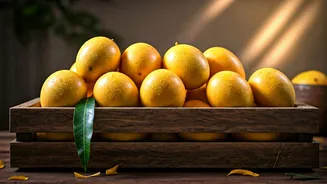
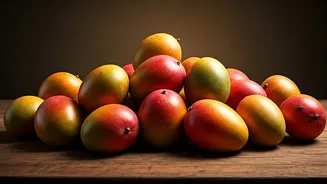
While the early summer belongs to varieties like Alphonso and Kesar, June and July are the domain of the North Indian titans: Langra and Chausa. These mangoes arrive later in the season, bringing with them intense, fully developed flavours that are perfect
for everything from simple sliced treats to elaborate desserts. The Langra, hailing from the region of Varanasi, and the Chausa, with historical ties to Bihar and Uttar Pradesh, are not just fruits; they are cultural icons, each with a loyal fanbase and a unique personality. The buzz around them signals the grand finale of the mango season, a time for indulgent, flavour-packed creations.
Meet the Langra: A Tangy, Old-School Classic
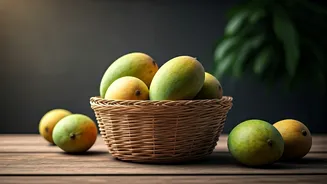
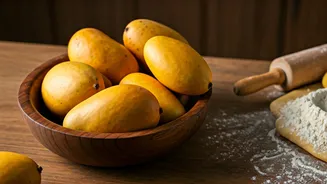
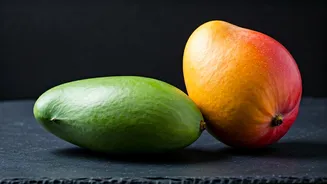
The Langra is a mango with character. Originating from Varanasi, legend has it that it was first grown by a lame hermit, hence the name 'Langra'. It’s easily recognizable by its greenish-yellow skin, which it retains even when perfectly ripe. But its real distinction lies in its flavour. Langra offers a beautiful balance of sweetness with a pronounced tangy, almost citrusy kick. This unique profile makes it a favourite for those who prefer their fruit with a bit of complexity. Its pulp is juicy and moderately fiberless, excellent for eating fresh but also fantastic in preparations where its tartness can cut through richness, such as chutneys or even a zesty mango dal.
Discover the Chausa: Honey-Sweet and Succulent
If Langra is the tangy classic, Chausa is pure, unadulterated sweetness. Often hailed as one of the sweetest mangoes, its name is said to have been given by Sher Shah Suri after a military victory at Chausa, Bihar. When ripe, the Chausa has a soft, golden-yellow skin and is filled with an incredibly juicy, aromatic, and often fiberless pulp. Its flavour is frequently described as honey-like. This intense sweetness and high juice content make it a prime candidate for desserts where the mango flavour is front and center. It's the perfect mango to be eaten simply chilled, sucked straight from the skin, or transformed into decadent aamras, juices, and mousses.
The Dessert Debate: Which Mango Should You Use?
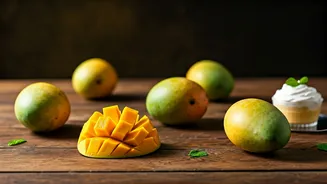
Choosing between Langra and Chausa depends entirely on the dessert you have in mind. For creamy desserts that need a bit of an edge, Langra is your champion. Its slight tartness is perfect for a refreshing Mango Kulfi or a Mango Shrikhand, where it can balance the richness of the dairy. Think of it for mango cheesecakes or tarts where you want a bright, distinct mango flavour that isn't just sweet. Chausa, on the other hand, is the star for pulp-focused desserts. Its syrupy sweetness and lower fibre mean it creates a silky-smooth aamras or a luscious mango mousse without needing much extra sugar. It's ideal for trifles, puddings, or a simple mango cream where the goal is a pure, sweet, and tropical mango hit.
Beyond Aamras: Weekend Dessert Inspiration
This weekend, move beyond the usual and try something new. The tangy notes of Langra would be spectacular in a Mango Syllabub, a light and airy whipped dessert, or even folded into a no-churn ice cream to provide a refreshing counterpoint to the cream. For a more ambitious project, a Langra-based mango curd tart would be a showstopper. With the incredibly sweet Chausa, simplicity reigns. A three-ingredient mango mousse, made with just Chausa pulp, whipped cream, and a touch of sugar, is an elegant and easy option. You could also use its pulp to create a vibrant Mango Panna Cotta or a tropical mango sponge cake. The key is to let the mango's natural flavour shine. Whatever you choose, you're participating in a beloved seasonal ritual that celebrates the best of the Indian summer.