



The Ancient Logic of Seasonal Eating
Navratri occurs twice a year, during the seasonal transitions in spring and autumn. Ayurveda suggests that during these periods, our immunity is naturally lower, and our digestive systems are more sensitive. The traditional Navratri diet, known as 'sattvic'
food, is designed to be light, pure, and easy on the gut. By avoiding heavy grains, meats, onions, and garlic, the diet gives the digestive system a much-needed break, allowing the body to detoxify and reset. Think of it as a seasonal cleanse that has been practiced for centuries, aligning the body with nature's rhythm.
The 'Vrat' Pantry: What's In and What's Out?
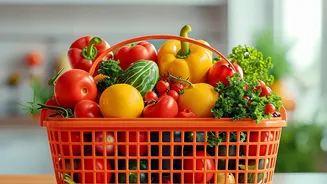
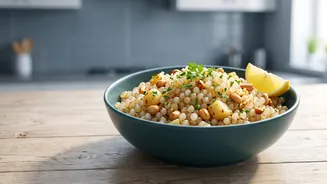
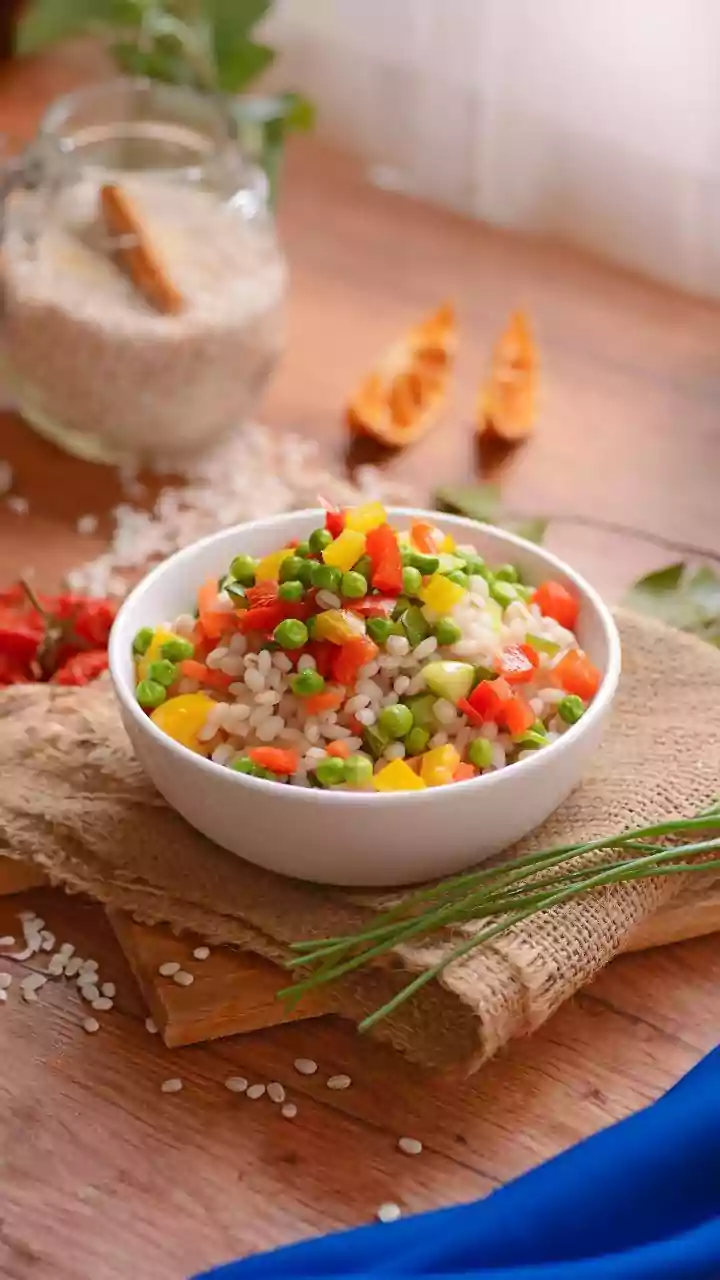
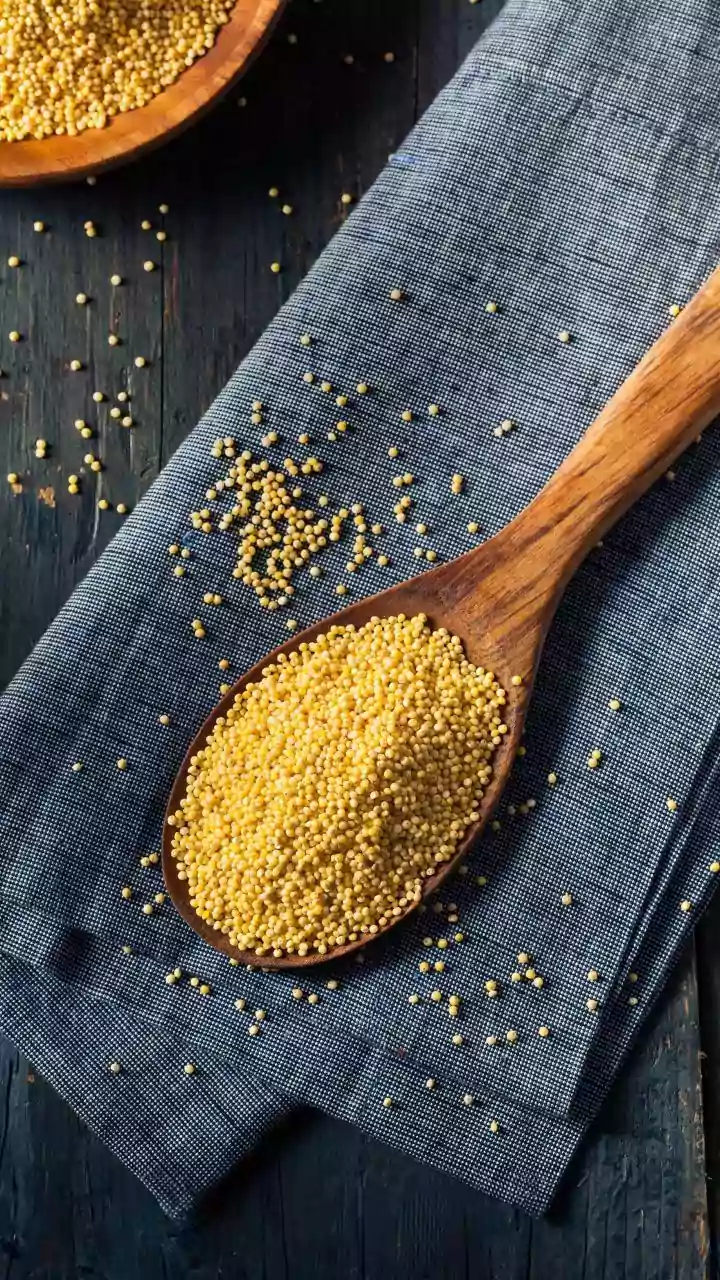
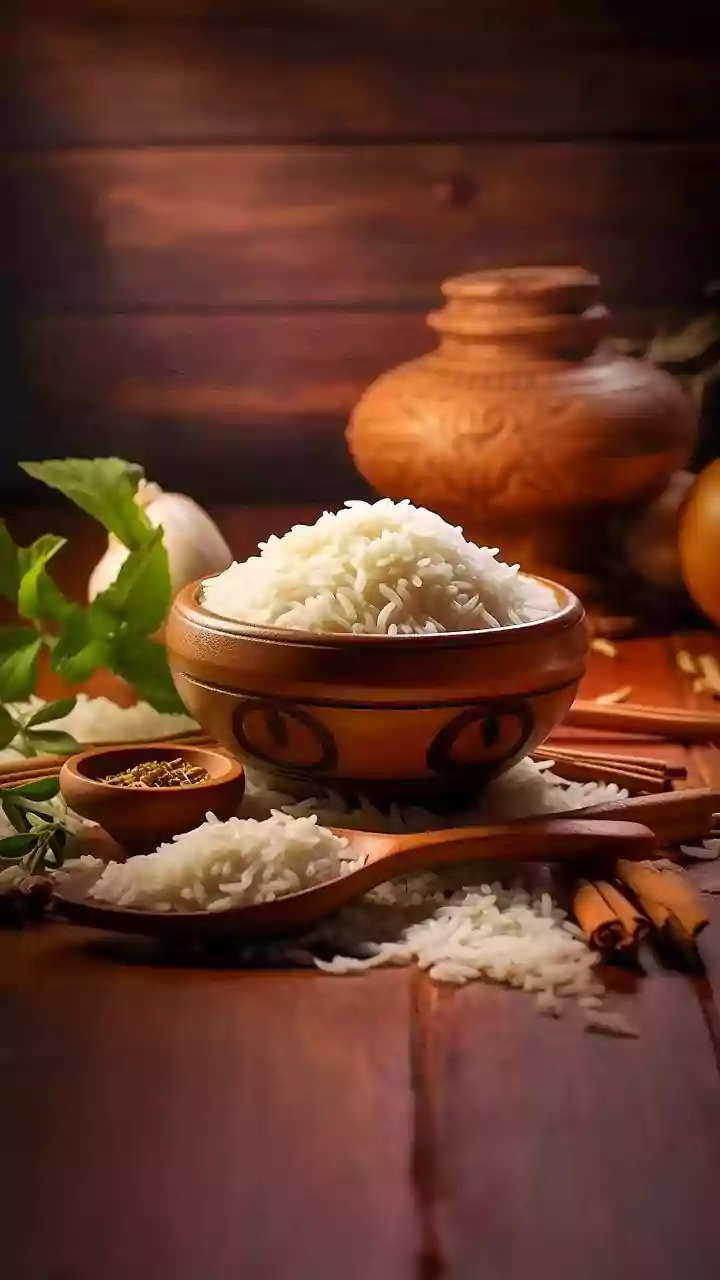
During a Navratri fast, or 'vrat', the typical kitchen pantry gets a temporary makeover. Regular grains like wheat and rice are replaced by alternatives. The permitted list includes flours like Kuttu (buckwheat), Singhara (water chestnut), and Rajgira (amaranth). For rice lovers, there's Samak ke chawal (barnyard millet). Most vegetables are allowed, though root vegetables like potatoes and sweet potatoes are popular. All fruits, nuts, and dairy products like milk, yogurt, and paneer are central to the fasting diet. Common table salt is swapped for Sendha Namak, or rock salt, which is considered purer and is unprocessed.
The Science Behind the Superfoods
The ingredients used in Navratri cooking are not just traditional; they are nutritional powerhouses. Buckwheat (kuttu) is high in protein and fibre, providing sustained energy. Water chestnut flour (singhara) is known for its cooling properties and is rich in potassium, which helps maintain hydration. Amaranth (rajgira) is packed with protein and calcium. Even the switch to Sendha Namak (rock salt) has a purpose; it's rich in minerals like potassium and magnesium that help maintain the body's electrolyte balance during a fast, preventing fatigue and muscle cramps.
Fasting Doesn't Mean Flavourless
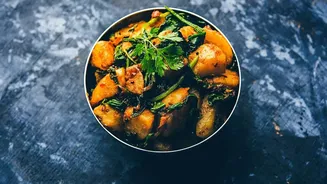
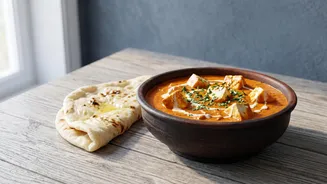
The creativity of Indian cuisine shines during Navratri. Far from being a restrictive diet, fasting food offers a diverse and delicious menu. Sabudana (tapioca pearls) is transformed into crispy vadas and hearty khichdi. Kuttu and Singhara flour are used to make pooris, parathas, and even dosas. Potatoes are cooked in a light, yogurt-based gravy, and paneer can be marinated and pan-seared for a protein-rich meal. For those with a sweet tooth, there are options like Makhana Kheer (fox nut pudding) or Lauki Halwa (bottle gourd pudding).
A Pan-India Culinary Celebration
While the principles of sattvic eating are common, Navratri food traditions vary beautifully across India. In Maharashtra, Sabudana Khichdi is a staple. In Gujarat, a 'farali' thali might feature Rajgira Puri and potato curry. Down south, the festival of Golu is celebrated with Sundal, a savoury dish made from different legumes like chickpeas or peanuts, offered as prasadam. In Bengal, Durga Puja is a time for feasting rather than fasting, with special bhog including Khichuri and a variety of sweets. This diversity showcases how local produce and cultural practices shape the festive platter.
Modern Twists for the Health-Conscious
Today, many young Indians are finding ways to embrace these traditions with a modern, health-conscious approach. Instead of deep-frying pooris and pakoras, people are opting to air-fry, bake, or pan-sear them. Refined sugar is being replaced with natural sweeteners like jaggery or dates in desserts. Smoothies made with fruit, yogurt, and nuts are a popular choice for a quick and filling meal. This fusion of tradition and modern wellness knowledge allows for a celebration that is both spiritually and physically nourishing.