


The Festive Wardrobe Reimagined
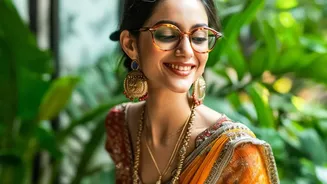
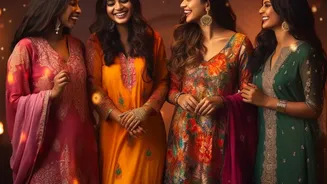
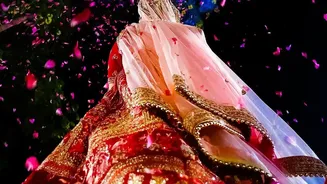
Navratri fashion in 2026 is all about honouring tradition while embracing contemporary comfort and style. The quintessential Chaniya Choli remains the star of the Garba ground, but with modern updates. Designers are focusing on tiered and layered full-flare
skirts that create dramatic silhouettes perfect for twirling. While classic mirror work and Bandhani prints are evergreen, there's a shift towards minimalist geometric embroidery and subtle, matte-gold accents. In terms of colour, alongside the traditional nine shades of Navratri, 2026 sees a rise in muted pastels like mint green and lavender, as well as rich jewel tones like emerald, sapphire, and deep wine for evening events. The blouse is also getting a modern makeover with contemporary cuts like halter necks and structured corset styles gaining popularity.
Sustainable and Stylish Choices
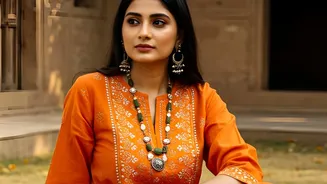
A significant movement shaping festive wear this year is sustainability. More people are seeking outfits that are not just beautiful but also ethically made and environmentally conscious. This has led to a revival of handloom fabrics like Jamdani and Ikat, and a preference for organic cotton and linen. These textiles are breathable, comfortable for long nights of dancing, and support artisanal communities. The trend leans towards 'minimalist luxury', where high-quality, handcrafted garments are valued over fast fashion. Versatile outfits that can be styled in multiple ways, such as a white Chikankari kurta that can be paired with different coloured dupattas, are becoming wardrobe staples, allowing for a fresh look each night without needing nine different outfits.
The Modern Fasting Platter
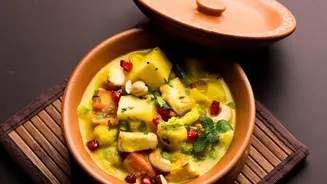
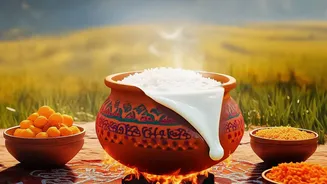
The spirit of innovation extends to the Navratri menu, transforming traditional fasting (vrat) foods into exciting culinary experiences. While staples like Sabudana Khichdi, Kuttu ki Poori, and Samak rice pulao remain beloved classics, there's a creative wave of fusion cooking. Chefs and home cooks are experimenting with ingredients like buckwheat (kuttu) and water chestnut (singhara) flour to create dosas, pancakes, and even pasta. You might find Kuttu pancakes served with a paneer filling or Singhara flour crisps forming the base of a flavourful chaat. Traditional vegetables like pumpkin (kaddu) and taro root (arbi) are being used in new ways, while grains like Rajgira (amaranth) are being turned into parathas and rotis.
From Vrat Thalis to Fusion Feasts
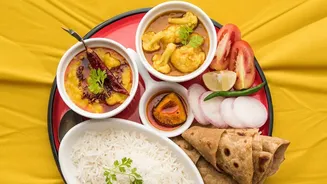
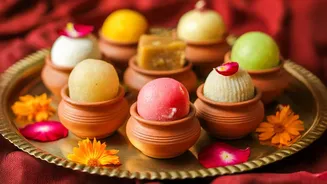
Restaurants are embracing this trend with specially curated Navratri menus that cater to both traditionalists and adventurous eaters. Many establishments offer elaborate vrat thalis, featuring an array of permissible dishes like Dahi Aloo, Paneer in tomato gravy, and Makhana kheer. At the same time, others are pushing boundaries with inventive dishes like beetroot sago risotto and buckwheat croquettes. Even desserts are getting a modern touch, with creative sweets like sweet potato halwa, Papaya halwa, and Makhana kheer joining the ranks of traditional fruit-and-nut based treats. These menus make it possible to observe the fast while still enjoying a celebratory meal out with family and friends, blending convenience with culinary creativity.