




Choosing the Right Brooch
The first step is selecting a brooch that complements your outfit. Consider the fabric and the work on your attire. Heavy statement brooches work best with structured materials like brocade, velvet, or silk, while lighter, more delicate designs are suited
for chiffon and georgette. If your outfit has dense zardozi or gold zari work, a kundan or polki-style brooch will harmonize beautifully. For outfits with simpler thread work like chikankari, consider pearls or oxidised silver brooches for a subtle, elegant touch. The key is to choose a piece that enhances your outfit, not overpowers it. An oversized, bold brooch is perfect for a simple outfit, whereas a dainty piece is better if your clothing is already heavily embellished.
The Art of Placement
Where you place your brooch can transform your entire look. The most classic and functional placement for a saree is on the shoulder, pinning the pallu to the blouse. This not only secures the drape but also adds a sophisticated focal point. For a more contemporary feel with a saree, you can pin the brooch at the hip or waist where the pallu tucks in, creating an unexpected and stylish detail. On a lehenga or anarkali, a brooch can be used to cinch a dupatta at the shoulder or even gather it at the back. For men's festive wear, a brooch adds a regal touch to a sherwani or bandhgala, pinned either on the chest or directly on the high collar.
Balancing with Traditional Jewellery
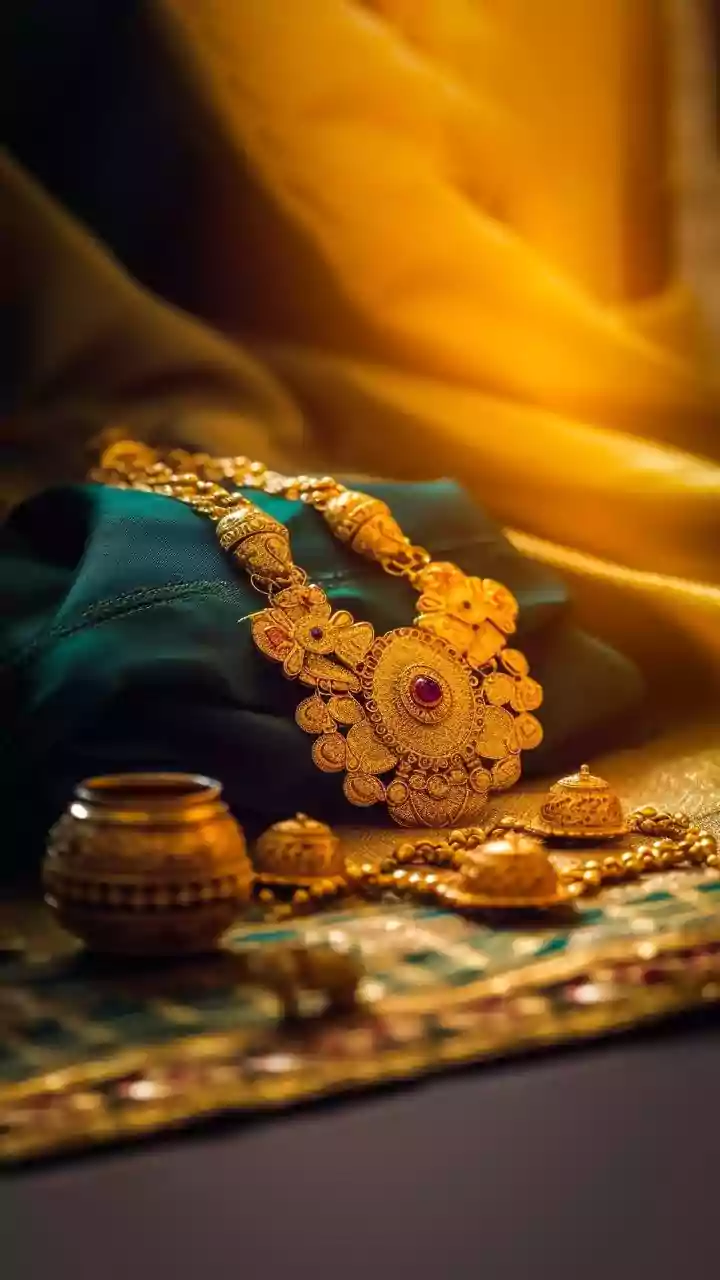
The central challenge is creating harmony between the brooch and your other jewellery. The golden rule is to let one piece be the star. If you opt for a large, ornate brooch at the shoulder, consider scaling back on your necklace or choosing simpler earrings like studs. If you are wearing a heavy, statement kundan or temple necklace, a smaller, more subtle brooch placed at the waist or on your dupatta would be more appropriate to avoid a cluttered look. The goal is to ensure your accessories complement each other rather than compete for attention. Think of the overall balance: a bold brooch can take the place of a necklace, allowing you to focus on elaborate jhumkas or a maang tikka.
Coordinating Metals and Materials
Harmony in materials is crucial for a cohesive look. When pairing a brooch, look at the metals and stones in your traditional jewellery set. A gold-plated brooch with pearl and gemstone finishes will naturally complement a bridal kundan set. Similarly, a silver-plated or oxidised silver brooch works wonderfully with tribal silver jewellery. While mixing metals is increasingly accepted in modern fashion, it should be done with intention. For instance, you could pair a gold brooch with silver bangles, but avoid wearing a gold brooch with silver earrings as it can look accidental. The easiest way to ensure a polished look is to match the dominant metal and colour palette of your primary jewellery pieces.
Creative and Unexpected Uses
Don't limit your brooch to just your shoulder or chest. This versatile accessory offers endless styling possibilities. For a unique touch, a brooch can be used as a hair accessory, pinned into a chic bun or updo to add a touch of glamour, which is especially effective for bridal looks. Another on-trend way to use a brooch is to pin it onto a handbag or a traditional potli, instantly elevating your accessory game. This is a great option when your outfit is already heavily detailed, allowing your bag to become the statement piece. You can even cluster two or three smaller, complementary brooches together on a jacket lapel or a simple kurta for a modern, curated feel.