






What is the new charge?
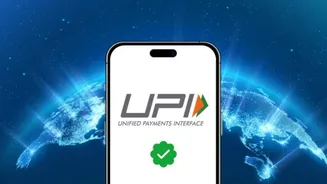
Starting October 15, 2026, a Merchant Discount Rate (MDR) of 0.4% will apply to person-to-merchant (P2M) UPI payments above ₹2,000. This isn't a fee for consumers. Instead, it's a processing charge that the merchant receiving the payment will bear. For
very large transactions, this fee is capped. For any payment of ₹75,000 or more, the maximum MDR is fixed at ₹300. For example, a ₹10,000 payment will incur a ₹40 fee for the merchant, while a ₹1,00,000 payment will hit the ₹300 cap. This marks a significant shift from the zero-MDR regime that has been in place since 2020.
Who will pay this fee?
Crucially, customers will not pay this fee. The government and NPCI have been clear that the charge applies to the merchant's side of the transaction. Banks have been advised to ensure that businesses do not pass this cost on to consumers at checkout. The MDR is designed to be deducted from the settlement amount a merchant receives. However, not all merchants are affected. The new rule specifically targets larger businesses. Small merchants who receive up to ₹1 lakh per month through UPI QR codes are exempt from this charge. According to government estimates, this exemption protects about 96% of merchant transactions from the new fee.
Which transactions remain free?
The vast majority of everyday UPI use remains completely free. All person-to-person (P2P) transfers, like sending money to friends or family, will have no charges, regardless of the amount. These P2P transactions make up a significant portion of UPI's value and volume. Furthermore, all merchant payments up to ₹2,000 will also continue to have zero MDR. Given that over 95% of merchant transactions fall below this threshold, most daily purchases at local stores will not be impacted by the new structure.
Why was this change necessary?
While the zero-fee model was instrumental in driving UPI's incredible adoption, banks and payment companies argued it was unsustainable. Operating the massive UPI network, ensuring its security, and funding innovation comes at a significant cost, which was previously covered by government subsidies that didn't fully meet the expenses. Introducing a calibrated MDR for high-value transactions provides a revenue stream for the ecosystem's participants—including banks, payment apps, and service providers. This change is intended to ensure the long-term financial health and stability of the digital payments infrastructure, allowing for continued investment in technology, cybersecurity, and service reliability.
Are there special rates for some sectors?
Yes, the NPCI has defined lower fees for certain essential services to minimize the impact. For eligible transactions over ₹2,000 in categories like railways, fuel, telecom, and insurance, a flat fee of just ₹5 will apply instead of the 0.4% rate. There's also a special, much lower rate for capital market transactions. Payments for mutual funds or to stockbrokers will attract a tiny 0.02% MDR, also capped at ₹300. This is designed to encourage digital payments for investments without imposing a significant cost.