

Frøya: A Coastal Haven of Fishing and Culture
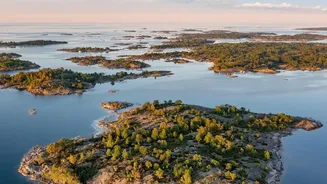
Sitting on the outer edge of the Trøndelag coast, Frøya is an archipelago of more than 5,400 islands, islets, and skerries, home to a vibrant coastal culture deeply connected to the sea. It's one of Norway's most important hubs for aquaculture, but for visitors,
its charm lies in the raw, windswept landscapes and the authenticity of its fishing villages. Communities like Mausund, Sula, and Bogøya are living examples of coastal heritage, where life moves at a different pace. The westernmost village of Titran is particularly noteworthy, offering a glimpse into history with memorials to the tragic 'Titran disaster' of 1899 and the commanding presence of Sletringen lighthouse just offshore. The island invites exploration, whether by boat tour through the skerries, keeping an eye out for sea eagles, or by indulging in fresh seafood caught just hours before. For a truly immersive experience, some visitors even stay in traditional fishermen's cabins, known as 'rorbuer', or try their hand at fishing for cod and scallops. The landscape here is less about towering mountains and more about the expansive, open sea, the white bedrock, and the chain of lighthouses that guard the coast.
The Lofoten Islands: Dramatic Peaks and Iconic Villages
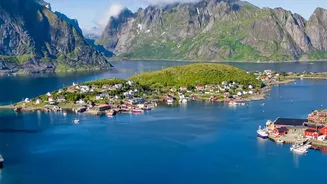
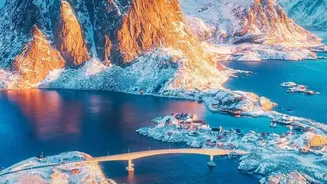
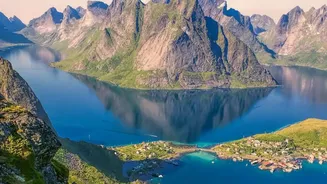
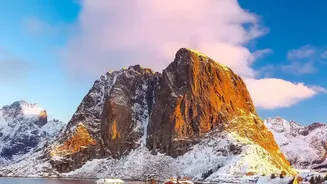
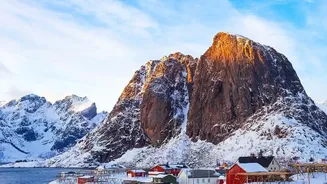
Located above the Arctic Circle, the Lofoten archipelago is arguably Norway's most famous island destination, and for good reason. Its landscape is pure drama: jagged mountain peaks rise directly from the sea, sheltering picturesque fishing villages with iconic red cabins. Towns like Reine, Hamnøy, and Å are postcard-perfect, offering visitors a chance to stay in restored rorbuer and experience life in a traditional fishing community. Lofoten is a paradise for outdoor enthusiasts. In summer, the midnight sun provides endless daylight for hiking legendary trails like Reinebringen, kayaking in turquoise waters, or even arctic surfing at Unstad beach. During the winter, the long nights create the perfect canvas for the Northern Lights to dance across the sky. The islands are connected by a scenic road, making it an epic road trip destination.
Senja: Norway in Miniature
Often called 'Norway in miniature', Senja is the country's second-largest island and offers an incredible diversity of landscapes. The outer coast is wild and dramatic, featuring sharp, tooth-like mountains plunging into the ocean, reminiscent of the 'devil's teeth'. The Senja National Scenic Route winds along this coastline, connecting stunning viewpoints like Tungeneset and Bergsbotn. In contrast, the island's interior is marked by serene forests, lakes, and the rugged terrain of Ånderdalen National Park. Senja is less crowded than Lofoten, offering a wilder, more off-the-beaten-path experience. It's a haven for hikers, with iconic trails leading to the peaks of Segla and Hesten, providing breathtaking views of the surrounding fjords and mountains. Fishing, kayaking, and wildlife spotting are also popular activities.
Svalbard: The Realm of the Polar Bear
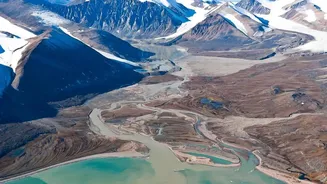
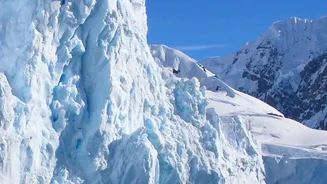
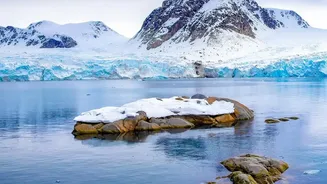
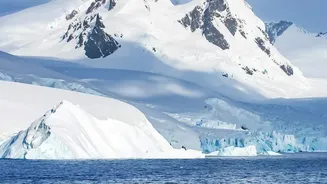
For the ultimate Arctic adventure, the Svalbard archipelago is unparalleled. Located halfway between mainland Norway and the North Pole, this is a land of glaciers, sea ice, and stark, powerful beauty. Svalbard is one of the world's best places to see polar bears in their natural habitat, with a population of around 3,000 in the Barents Sea region. The wildlife here is surprisingly rich, including walruses, Arctic foxes, Svalbard reindeer, and millions of seabirds that nest on dramatic cliffs during the brief summer. The surrounding waters are frequented by various whale species, such as belugas, minke, and humpback whales. Life in Svalbard is adapted to extreme conditions, from the 24-hour daylight of the midnight sun in summer to the continuous darkness of the Polar Night in winter. Exploring this fragile ecosystem is typically done via guided expeditions, whether by boat, snowmobile, or on a dogsled.
Sommarøy: The Arctic's Caribbean
Just an hour's drive from Tromsø lies Sommarøy, the 'Summer Island'. This charming fishing village might surprise you with its stunning white-sand beaches and crystal-clear turquoise waters, which have earned it comparisons to the Caribbean. Of course, the Arctic air serves as a quick reminder of your latitude. Life on Sommarøy is dictated by the seasons. For 69 days in summer, the sun never sets, creating the phenomenon of the midnight sun. This continuous daylight blurs the concept of time, inspiring residents to famously campaign to become a 'time-free zone' where people eat, sleep, and play according to their own rhythm. Visitors can enjoy midnight kayaking, hiking, or simply relaxing on a beach under a sun that refuses to go down. In winter, the island transforms into a prime location for viewing the Northern Lights.