







The Data Behind the Downpour
The long-held belief that Indian tourism hibernates between June and September is being washed away by a flood of new data. Recent reports from travel platforms paint a clear picture: the monsoon is the new peak season. According to travel analytics firm
Cleartrip, hotel bookings during the monsoon have shot up by nearly 54% year-on-year, with bus bookings seeing a massive 140% jump. Another platform, Scapia, reported an even more dramatic trend, with hotel bookings for destinations like Munnar and Mussoorie seeing a nearly tenfold increase compared to the previous year. This isn't just a minor uptick; it's a fundamental recalibration of India's travel calendar, driven by a new appreciation for what the rainy season offers.
A New Wave of Monsoon Travellers
So, who is driving this trend? The answer lies in a combination of evolving work cultures and shifting travel philosophies. The rise of remote and hybrid work models has untethered a significant portion of the workforce from their office desks. This newfound flexibility allows professionals to escape urban burnout and swap their city apartments for extended 'workations' in scenic locations. A survey by FICCI and Thrillophilia found that a third of travellers now prefer working from natural settings. This demographic, primarily young professionals, is less constrained by traditional holiday calendars and more interested in authentic, experience-led travel. They are joined by budget-conscious travellers and those looking to avoid the crowds that define the typical high season.
The Destinations Defining the Trend
While Goa and Kerala have long been monsoon favourites, the current surge is geographically widespread. Kerala, however, remains a leader, with Wayanad experiencing a staggering 160% growth in hotel bookings and Alleppey seeing a 145% rise. Beyond the south, the Northeast has emerged as a monsoon hotspot, with Nagaland and Arunachal Pradesh recording over 90% growth in hotel bookings. Hill stations across the country, from Lonavala and Mahabaleshwar in Maharashtra to Ooty and Kodaikanal in the south, are seeing booking increases of 70% and higher. Even Rajasthan, a state often associated with arid landscapes, is drawing tourists with its monsoon makeover, as destinations like Udaipur, Mount Abu, and Kumbhalgarh become lush green havens.
It’s More Than a Cheaper Trip
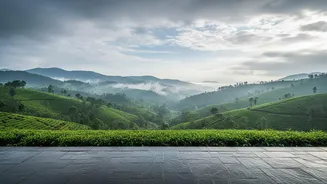
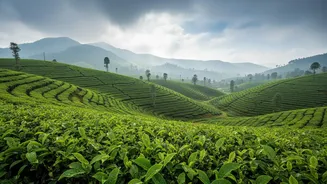
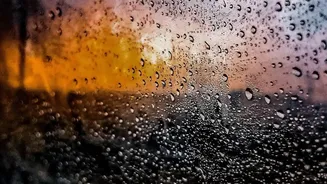
While off-season discounts on flights and luxury hotels are certainly an attraction, the appeal of monsoon travel runs much deeper. For many, the primary draw is the landscape itself. The rains transform dusty plains and hills into vibrant, green spectacles, bringing waterfalls to life and filling lakes to the brim. This natural beauty offers a unique, atmospheric experience that can't be found during the dry winter or hot summer months. Travellers are seeking out the mist-covered mountains, the smell of rain on earth, and the tranquility of destinations that are less crowded than in peak season. This shift indicates a growing desire for immersive, nature-based experiences over simple sightseeing.
How the Industry Is Responding
The travel and hospitality industry has been quick to adapt to this changing consumer behaviour. Hotels and resorts, from large chains like Radisson to boutique properties, are no longer treating the monsoon as a lull. Instead, they are launching targeted marketing campaigns and creating attractive monsoon packages that often include meals, spa services, and curated local experiences. Airlines and online travel agencies are also promoting rainy-season travel with special sales and discounts. This proactive approach has not only catered to the existing demand but has also helped to further legitimise the monsoon as a viable and exciting time to travel within India.