





The Zero-Guard Undercut Explained
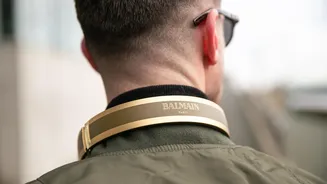
A zero-guard or skin-fade undercut is a high-contrast style defined by its sharp transition. Using clippers with no guard, or even a foil shaver, the hair on the sides and back is taken right down to the skin. This creates a bold, clean line separating
the buzzed sides from the longer hair on top. The look is striking, modern, and exceptionally neat, which is why it's a popular choice in barbershops. On day one, its precision is its main appeal, offering a crisp silhouette that looks incredibly sharp.
The Awkward Grow-Out Phase
The problem with such a sharp, high-contrast cut is that it has a very short shelf life. Hair grows at a relatively uniform rate, about half an inch per month. When the sides are shaved to the skin, new growth appears quickly and uniformly, creating a fuzzy, undefined look within just a couple of weeks. That sharp line you left the barbershop with begins to blur, and the style loses its intentional shape fast. This unforgiving grow-out phase means that maintaining a skin fade undercut requires frequent trips to the barber, often every two to three weeks, to keep it looking clean.
The Tapered Undercut: A Softer Approach
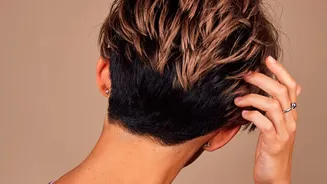
A tapered undercut, on the other hand, is designed for a softer, more gradual transition. Instead of a single, short length on the sides, a taper involves cutting the hair at progressively shorter lengths from the top down towards the neckline and ears. The shortest part of a taper still leaves some hair, avoiding the stark contrast of a skin fade. This graduation between lengths creates a blended, less severe look that appears more natural.
Why Tapering Leads to a Smoother Transition
The secret to the tapered undercut's graceful grow-out lies in its blended structure. Because the hair is already at different lengths, new growth doesn't create a single, obvious line. Instead, the new hair grows into the existing layers, softening the overall shape rather than disrupting it. This means the haircut maintains its structure for much longer, looking intentional for up to four or even five weeks before needing a refresh. It’s a lower-maintenance option that forgives a slightly longer gap between barber visits.
Choosing the Right Undercut for You
The choice between a zero-guard skin fade and a tapered undercut comes down to your lifestyle, budget, and desired aesthetic. If you love a razor-sharp, high-impact look and don't mind frequent maintenance, the skin fade delivers a bold statement. However, if you prefer a style that looks great for longer and offers a more forgiving grow-out period, the tapered undercut is the clear winner. It provides a clean and polished appearance without the demanding upkeep. For those new to undercuts, starting with a taper is often a wise choice; you can always decide to go shorter on your next visit.