
From Guesswork to Data-Driven Precision
For years, digital beauty tools were novel but often inexact. Virtual try-ons could be glitchy, and product recommendations were based on simple questionnaires. Now, the technology has matured. The new generation of AI tools moves beyond broad categories
like 'oily' or 'dry' skin. Instead, they use advanced diagnostics, often through your smartphone's camera, to perform a detailed analysis of your skin or hair. These systems can detect concerns like hydration levels, pore size, pigmentation, and even the earliest signs of ageing with increasing accuracy. This shift from subjective self-assessment to objective, data-driven analysis is the foundation of the modern AI beauty revolution.
Hyper-Personalised Skincare Routines
The biggest leap forward is in hyper-personalisation. Companies are now using AI to act as a personal dermatologist in your pocket. Platforms can analyse a selfie and cross-reference it with vast databases of skin information, ingredient efficacy, and even environmental factors like the pollution and UV index in your specific area. The result is not just a recommendation for an existing product, but in some cases, a formulation that is custom-blended for your unique needs. This level of customisation promises more effective skincare routines, as the products are tailored to address your specific issues based on real-time data.
Smarter Virtual Try-Ons
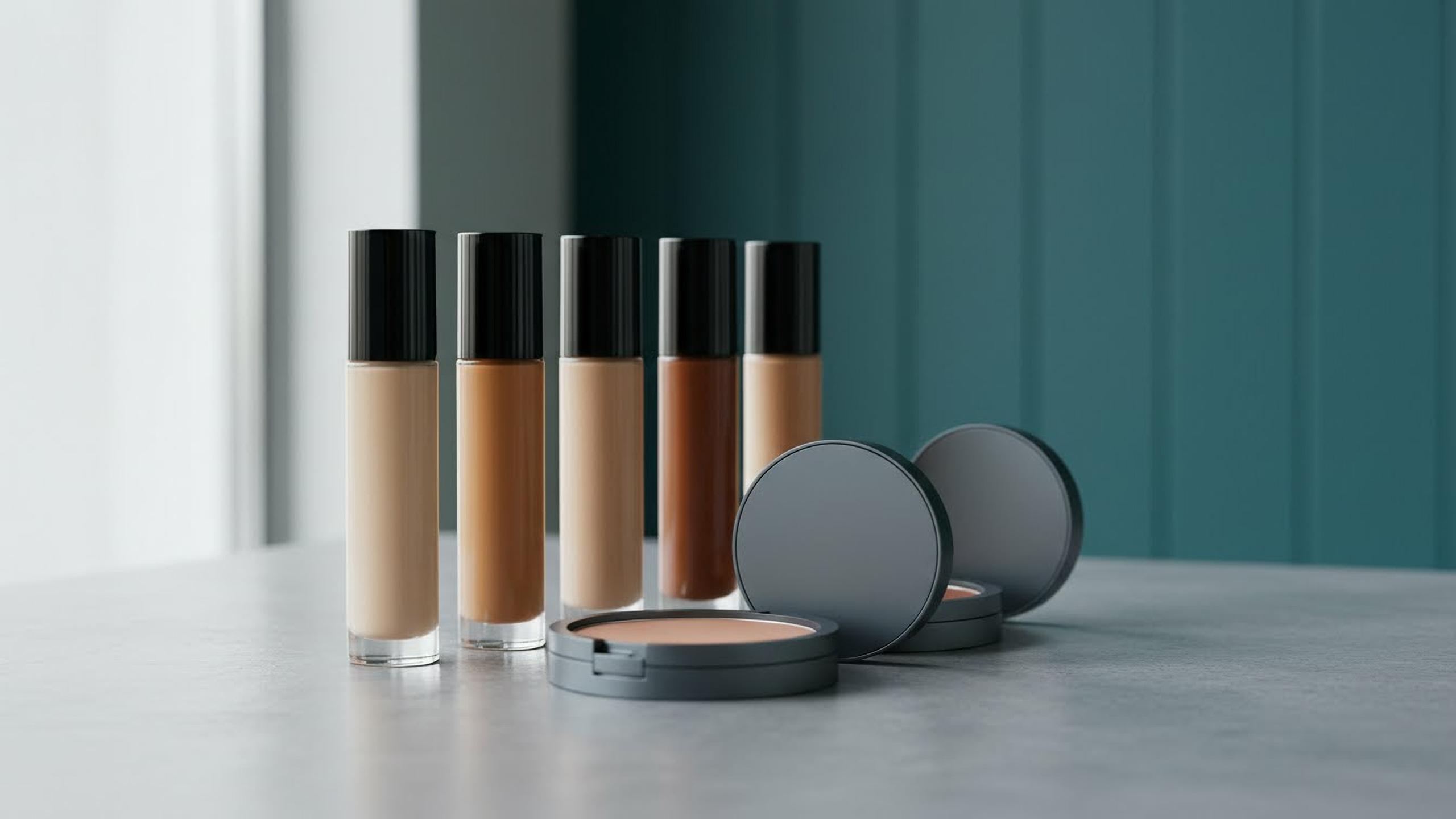
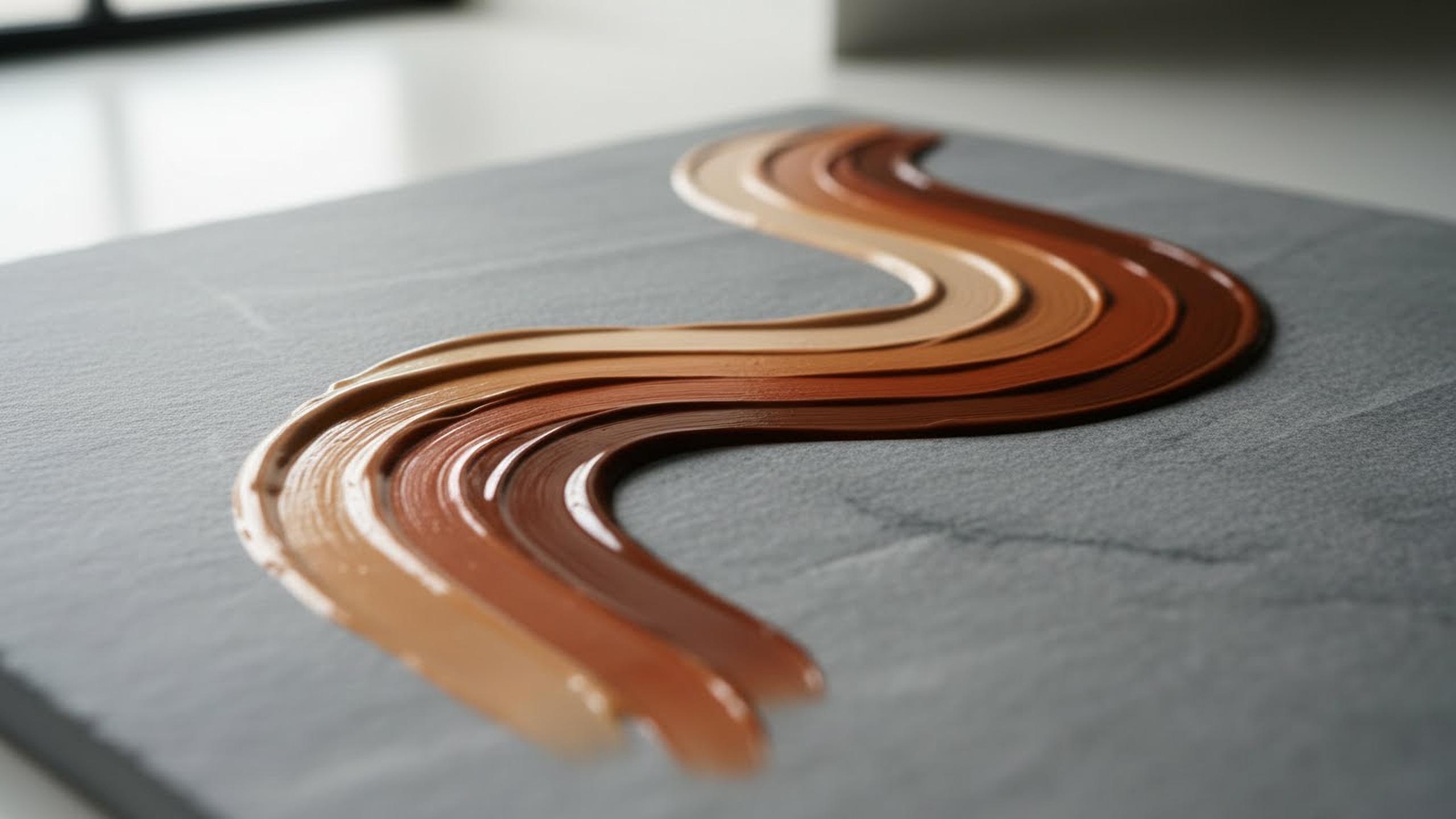
Virtual try-on (VTO) technology is also getting a major upgrade. Early versions struggled with realistic colour rendering and tracking movement. The 2026 versions, powered by more sophisticated AI and augmented reality (AR), are far more accurate. These tools can now better account for your unique skin tone and the lighting conditions around you, giving you a much more realistic preview of how a lipstick shade or foundation will actually look. For eyewear, AI can calculate pupillary distance for a perfect fit. This increased accuracy has a huge benefit: it boosts buyer confidence and significantly reduces product returns, which is better for both consumers and the environment.
The Rise of Generative AI
Generative AI, the same technology behind advanced chatbots, is also entering the beauty space. Brands are using it to accelerate product development and create highly personalised marketing campaigns. For consumers, this technology is powering smarter virtual assistants that can offer detailed, conversational advice. It can also be used to generate novel makeup looks or even help you visualise how a new hair colour or style might suit you, going beyond simple analysis to become a creative partner. By analysing massive datasets of consumer preferences and trends, generative AI can help predict what's next in beauty.
Hair Care Gets Intelligent
It's not just about skin. AI-powered hair and scalp analysis tools are also becoming more common and sophisticated. Using your phone's camera, these tools can assess hair density, thickness, and scalp condition. Much like with skincare, the AI then provides tailored recommendations for products and treatments designed to address issues like dryness, oiliness, or signs of thinning. Some advanced tools can even track the progress of your hair health over time, providing data-driven insights into whether your current routine is working effectively.