



The Generation Trap
We’ve all been there: typing a prompt into an AI image generator and hitting ‘generate’ like it's a slot machine. The results are often stunning, sometimes strange, but rarely perfect. We see six-fingered hands, melting backgrounds, or faces that look
just slightly off. The common response is to tweak the prompt and roll the dice again, and again, and again. This cycle, the ‘generation trap,’ treats AI as a one-shot solution when it’s actually the starting point. The current obsession with prompt engineering overlooks a fundamental truth of creative work: the first draft is never the final product. For professionals—marketers, designers, and content creators—'good enough' is rarely good enough. An image that is 90% right is still 10% wrong, and that 10% can be the difference between a professional asset and a curious gimmick.
Beyond the First Draft: Why Editing Matters
Accepting the first results without changes is a common mistake that limits the potential of AI. Professional workflows demand control, consistency, and brand alignment—three things that pure generation struggles to provide. An AI model doesn't understand your brand's specific color palette or the subtle mood you need for a campaign. It's trained on vast, generic datasets. The editing process is where the human creator re-asserts their vision. It's where you fix the anatomical oddities the AI produces, correct inconsistent lighting, and remove distracting background elements that clutter the message. More importantly, it’s where you add the final polish that elevates an image from a cool AI creation to a purposeful piece of visual communication. A professional artist or designer rarely expects a single generation to be perfect; they see it as raw material to be shaped and refined.
Mastering AI-Native Edits
The good news is that many editing tools are now built directly into AI platforms. The two most powerful techniques are inpainting and outpainting. Inpainting allows you to select a specific part of an image—like a distorted hand or an unwanted object—and have the AI regenerate only that area, keeping the rest of the image intact. This is perfect for targeted fixes without starting from scratch. Outpainting, or 'generative expand,' does the opposite: it extends the image beyond its original borders. Need to turn a vertical portrait into a horizontal banner? Outpainting analyzes the existing image and intelligently creates the rest of the scene, seamlessly blending the new content with the old. These tools transform AI from a simple generator into a dynamic editing partner.
The Human Touch: Traditional Tools
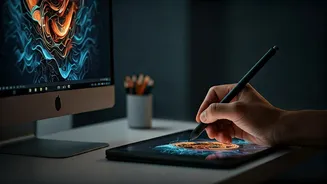
While AI-native tools are powerful, they don't replace the precision of traditional editing software. Programs like Adobe Photoshop and Lightroom are essential for the final stages of refinement. The latest versions of Photoshop even integrate AI features like Generative Fill, which functions similarly to inpainting, directly within its robust editing environment. This hybrid approach offers the best of both worlds. You can use an AI generator to create a base image, use inpainting to fix major flaws, and then bring it into Photoshop for fine-tuning. This includes adjusting colors and contrast to match a brand's style guide, sharpening details to guide the viewer's eye, and layering effects to create a specific mood. This is where the creator’s unique skill and artistic sensibility add the most value, ensuring the final image is not just technically correct, but also emotionally resonant.
Building a Modern Creative Workflow
The most effective creative process today is a pipeline: Generate-Edit-Enhance. Start by generating multiple variations to get a strong base composition. Don't aim for perfection here; aim for a solid foundation. Next, use AI editing tools like inpainting and outpainting to correct major errors and adjust the framing. This is the structural phase. Finally, move to a dedicated photo editor for the finishing touches. This is where you perform color grading, add subtle textures, and ensure every pixel aligns with your creative intent. By shifting your mindset from pure generation to a holistic workflow, you move from being a user of AI to a director of it. You are no longer just rolling the dice, but are actively guiding the technology to a predetermined, high-quality outcome.