




The Post-Monsoon Sweet Spot
The late-monsoon period, primarily late September, marks a magical transition in Rishikesh. After being closed from July through mid-September for safety reasons, rafting operations officially reopen as the fierce monsoon currents begin to calm. For 2026,
operators have announced reopening dates around September 23rd, following river reconnaissance by professional teams. This window offers a unique experience: the river is still impressively full and energetic from the rains, but predictable enough for safe, guided expeditions. For first-timers, this means you get to witness the mighty Ganges in its post-monsoon glory without the peak season crowds of October and November.
Top Pick: Brahmapuri to Nim Beach (9-10 km)
This is the undisputed best choice for absolute beginners, families, and those who feel a little nervous about their first time on the water. Covering a distance of about 9 to 10 kilometres, this stretch typically takes around 1.5 to 2 hours to complete. The rapids here are classified as Grade I and II, which means you'll encounter playful waves and gentle splashes rather than intense, boat-flipping torrents. Famous, mild rapids on this route include Sweet Sixteen, Initiation, and Double Trouble. It’s the perfect introduction to the rhythm of the river, offering scenic views, a chance for a safe 'body surfing' float in calm sections, and even a small cliff jump for a bit of extra fun. Crucially, its safety record is exemplary.
Adventurous Beginner: Shivpuri to Nim Beach (16 km)
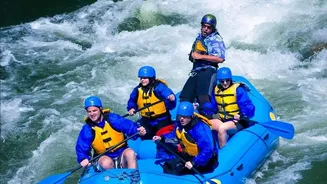
If you're a first-timer with a strong sense of adventure, the Shivpuri stretch is the most popular route in Rishikesh for good reason. It offers the 'full experience,' blending scenic, calm patches with a series of exciting Grade II and III rapids that will get your heart pumping. Over about 2.5 to 3 hours, you'll navigate iconic rapids like Return to Sender, Roller Coaster, and Golf Course. While more challenging than the Brahmapuri route, it is still considered very safe for beginners when led by a certified guide, especially in the stable post-monsoon conditions. This stretch provides a genuine thrill and a real sense of accomplishment as you paddle in sync with your team to conquer the waves.
Choosing a Safe Operator: A Non-Negotiable
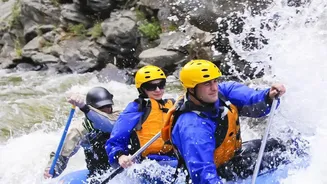
Your safety on the Ganges depends almost entirely on the quality of your operator. It's crucial to choose a company that is licensed by the Uttarakhand Tourism Development Board. A professional outfitter will provide a comprehensive 15-20 minute safety briefing before you even touch the water, ensuring you know how to paddle and what to do if you fall out. They must provide certified, well-maintained equipment, including a properly fitting life jacket (Personal Flotation Device) and a helmet, which are mandatory. Reputable companies also employ experienced, certified guides and often have a safety kayaker accompanying the raft. Avoid operators offering suspiciously cheap prices, as they may cut corners on safety, raft capacity, or guide quality.
What to Wear for Your Adventure
Dressing appropriately is key to comfort and safety. Avoid cotton clothing at all costs; it gets heavy when wet and will make you cold. Instead, opt for quick-drying synthetic materials like a polyester t-shirt and shorts. For footwear, choose secure river sandals, floaters, or old sneakers that won't slip off your feet. Flip-flops are a definite no. Protect yourself from the sun with waterproof sunscreen and consider a strap for your sunglasses so you don't lose them to the river. Leave valuables like jewelry and non-waterproof electronics at your hotel. Your guide will typically have a dry bag for essential items you need to bring along.