






The Dark Sky Checklist
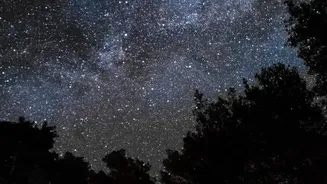
Before you even think about destinations, understanding the basics is key. The biggest obstacle to good stargazing is light pollution, the glow from cities and towns that washes out faint stars. To counter this, you need to seek out remote locations.
Secondly, timing is everything. A bright full moon can be as disruptive as a city skyline, so plan your trip around the new moon phase for the darkest possible skies. Lastly, weather plays a role beyond just clouds. High humidity and dust can create haze that obscures the view, which is why dry, high-altitude locations are often prized by astronomers.
Essential Gear for Beginners
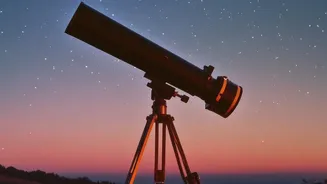
You don't need an expensive telescope to start. In fact, for beginners, the best tool is often a good pair of binoculars, which are portable and excellent for getting a closer look at the moon's craters, star clusters, and even the larger planets. Your naked eyes are your primary instrument, so give them at least 20-30 minutes to adjust to the darkness, and avoid looking at your bright phone screen. If you need light, use a torch with a red filter, as red light is less disruptive to your night vision. Several smartphone apps can help you identify constellations and planets in real-time, acting as a digital star chart in your pocket.
Hanle, Ladakh: India’s Celestial Crown
For the ultimate experience, Hanle in Ladakh is unparalleled. It is home to India's first official Dark Sky Reserve, a designation awarded for its pristine, light-pollution-free skies. Located at a breathtaking altitude of over 4,500 metres, you are literally above a significant portion of the Earth's atmosphere, resulting in exceptionally clear views. On a moonless night here, the Milky Way is so bright it can cast a faint shadow. The best time to visit is from June to September when roads are open and the weather is more manageable, though nights remain freezing cold. Due to its high altitude and remote location, proper acclimatisation in Leh for a few days is crucial before heading to Hanle.
Spiti Valley: A High-Altitude Desert Dream
Another Himalayan gem, Spiti Valley in Himachal Pradesh, offers some of the best stargazing conditions in Asia. Its cold desert climate ensures minimal rainfall and cloud cover, particularly from May to October. Villages like Langza, Komic, and Kibber are renowned for their dark skies, where the stars feel close enough to touch. The remote location and high altitude mean light pollution is virtually non-existent. Like Ladakh, Spiti requires acclimatisation to its altitude, so planning a gradual ascent is wise to avoid sickness.
Rann of Kutch: A Starry Salt Desert
For a completely different landscape, the Great Rann of Kutch in Gujarat provides a surreal stargazing setting. The vast, flat expanse of the white salt desert offers an unobstructed horizon-to-horizon view. During the winter months, especially from November to February, the air is dry and clear. This period coincides with the Rann Utsav, allowing travellers to combine cultural experiences with astronomy. On a moonless night, the sheer number of visible stars is staggering, and the silence of the desert adds to the profound experience.
Coorg: A Southern Starry Escape
You don't have to go to the Himalayas or a desert for great skies. For those in South India, Coorg in Karnataka offers a wonderful alternative. Nestled in the Western Ghats, many areas around Madikeri and Virajpet are far enough from city lights to offer impressive views of the night sky, especially between October and May. The higher elevations and numerous coffee plantations provide dark pockets perfect for setting up a pair of binoculars. While not as dark as Hanle or Spiti, Coorg provides an accessible and lush green backdrop for your cosmic journey.