







The 'Two-Hour' Rule of Paw
The most common question owners ask is how often they should stop. The consensus from veterinarians and pet travel experts is to plan a break every two to three hours. This is more frequent than many adults might stop for themselves, but it's crucial
for your pet. Shorter intervals prevent a frantic search for a suitable spot when your pet can no longer wait comfortably. For puppies, senior pets, or small breeds with smaller bladders, you may need to stop more frequently, perhaps every 90 minutes. The goal is to make the stops a predictable and low-stress part of the routine, not a rushed, desperate pause at a noisy petrol station.
Hydration on the Highway
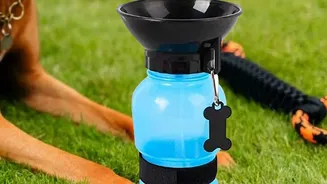
Dehydration is a serious risk during travel, as the stress and excitement can affect a pet's normal drinking habits. Never assume your pet will drink just because water is available. Offer fresh, cool water at every single stop, even if your pet doesn't seem thirsty. It’s best to bring water from home in a jug, as the taste and quality of water at different stops can vary and potentially cause an upset stomach. A collapsible bowl is a road trip essential. For reluctant drinkers, you can try adding a little water to their food or even freezing water in their travel bowl, allowing it to melt into a continuous supply of cool water as you drive.
Packing the Perfect Pit Stop Kit
To make your stops efficient and safe, keep a dedicated 'pit stop kit' easily accessible in the cabin of your car, not buried in the boot. This kit should contain everything you need for a quick and effective break. Essential items include a sturdy leash and collar or harness with up-to-date ID tags, waste bags, your pet's pre-portioned food, and any necessary medications. Also include the collapsible water bowl and your water supply. Having these items ready means you can manage the stop smoothly without having to rummage through your luggage.
Safety First at Every Stop
The single most important rule for any rest stop is to secure your pet before opening any car doors. An unfamiliar environment with fast-moving traffic is a high-risk area for a startled pet to bolt. Always clip the leash on first. When you get out, take a moment to scan the area for hazards like broken glass or hot pavement that could burn your pet's paws. Find a grassy area away from heavy traffic for a bathroom break and a short walk. And it bears repeating: never, ever leave your pet alone in a parked car. Even on a mild day, the temperature inside a vehicle can rise to dangerous levels in just minutes.
More Than Just a Potty Break
While the primary purpose of a stop is for your pet to relieve themselves, these breaks serve other important functions. A 15-minute break allows your pet to stretch its legs, which is especially important for older dogs who can get stiff. It’s also a crucial mental break. Allowing your dog to sniff a new patch of grass is a form of enrichment that can lower stress levels and make them more relaxed for the next leg of the journey. For cats, stops are different. Most veterinarians advise against taking a cat out of its carrier in an unsecured public area. Instead, plan stops where you can safely check on them in the car, offer water, and ensure their carrier is clean, all while keeping the car doors securely closed.