




Before You Turn the Key
A safe journey in the rain begins long before you start the engine. The most crucial safety feature is a well-maintained vehicle. First, inspect your tyres. Good tread depth is essential for grip on wet surfaces; worn tyres significantly increase the risk
of skidding and hydroplaning. Ensure they are inflated to the manufacturer's recommended pressure. Second, check your wiper blades. If they leave streaks or make noise, replace them. Visibility is paramount, and worn wipers are a liability in a downpour. Finally, walk around your car and test all your lights: headlights, taillights, brake lights, and indicators. They are crucial for both seeing and being seen by other drivers in low-visibility conditions. A quick check of your brakes and battery can also prevent a breakdown in the worst possible place.
On the Road: Speed, Space, and Sight
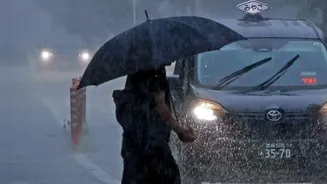
Once you are driving, three principles should guide your actions: slow down, increase your following distance, and maximize visibility. Wet roads dramatically increase your vehicle's stopping distance. The first 30 minutes of rain are often the most slippery, as oil and dust on the road mix with water. Reduce your speed by at least 25-30% from what you would normally drive in the dry. Double your following distance from the typical 'two-second rule' to at least four or five seconds. This gives you more time to react to sudden stops or hazards. Switch on your low-beam headlights, even during the day. This helps other drivers see you clearly. Avoid using high beams, as they reflect off raindrops and can worsen visibility for both you and oncoming traffic. If your windscreen fogs up, use the air conditioner and defogger together to clear it quickly.
The Danger of Waterlogged Roads
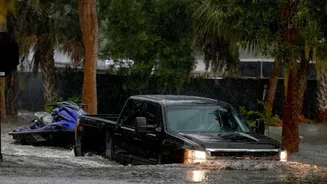
One of the biggest hazards during the Indian monsoon is waterlogging. It is always safest to turn around and find an alternative route if you encounter a flooded street. It's impossible to know the water's depth or what dangers lie beneath, such as open manholes or large potholes. If you absolutely must proceed, do so with extreme caution. As a rule, never attempt to drive through water that is deeper than the bottom of your car's doors or bumper. Try to stay in the centre of the road, where the surface is often highest and the water is shallowest. Drive slowly and steadily in a low gear to keep your engine's revs up and prevent water from entering the exhaust pipe. Avoid stopping in the water if possible. After you've cleared the water, gently tap your brakes a few times to help dry them out.
Understanding and Avoiding Hydroplaning
Hydroplaning is a frightening experience where your tyres lose contact with the road and ride on a thin layer of water, causing a temporary loss of steering and braking control. It can happen at surprisingly low speeds on very wet roads. The best way to deal with hydroplaning is to avoid it in the first place by ensuring your tyres have good tread and by reducing your speed. Never use cruise control in heavy rain, as it can prevent you from feeling the loss of traction. If you do feel the car start to hydroplane, do not panic. Ease your foot off the accelerator gently and steer straight ahead. Do not slam on the brakes or make sudden steering movements, as this can cause a spin. As the car slows down, your tyres should regain contact with the road, and you will feel control return.
What to Do If You Get Stuck
If your car stalls in a waterlogged area, the single most important rule is: do not try to restart the engine. Attempting to do so can force water into the engine, causing a catastrophic failure known as hydrostatic lock, which can be incredibly expensive to repair. Instead, turn on your hazard lights, put the car in neutral, and if it's safe, push it to higher ground. If the water level is rising, your safety is the priority. Forget your possessions, get out of the vehicle, and move to a safe, high location. It is safer to wait for help on high ground than to stay inside a car that could be swept away. Once you are safe, call for roadside assistance to have your vehicle towed.