
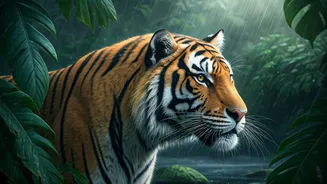


Busting the Off-Season Myth
For years, the conventional wisdom for wildlife enthusiasts in India was to avoid the monsoon. Heavy rains often make jungle tracks impassable, and many core areas of famous national parks like Ranthambore, Bandhavgarh, and Kanha officially close from
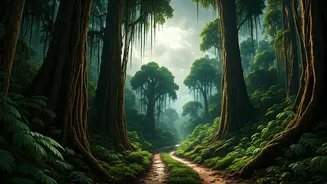
July to September. This has created the impression that the entire Indian wilderness goes on holiday during the rains. However, this is only part of the story. Many parks keep their buffer zones open, offering a different but equally rewarding safari experience. Furthermore, several sanctuaries, particularly in the Western Ghats and parts of Uttarakhand and Maharashtra, remain accessible year-round. The monsoon isn't an 'off-season'; it's a 'secret season' that reveals the jungle in its most lush, dramatic, and atmospheric state.
A Symphony for the Senses
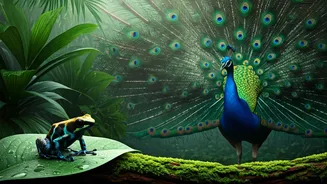
A monsoon safari is less about ticking off a checklist of big predators and more about immersing yourself in the ecosystem's vibrant renewal. The parched browns of summer give way to a staggering palette of greens. The air is thick with the calls of frogs and the orchestra of insects. Peacocks, India’s national bird, are at their most resplendent, fanning their iridescent plumage for their famous courtship dance against a backdrop of dark, dramatic clouds. This is also the best time to spot reptiles and amphibians. Snakes are more active, and unique species of frogs emerge from their slumber. The forest floor teems with life. For photographers, the soft, diffused light, misty landscapes, and high-contrast colours offer a creative challenge and a welcome change from the harsh sun of the dry season.
Top Monsoon Safari Destinations
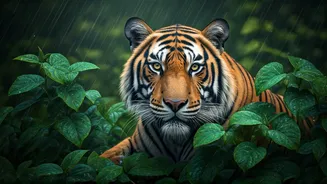
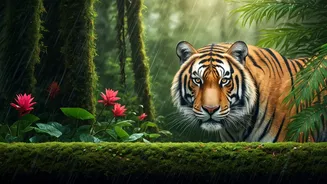
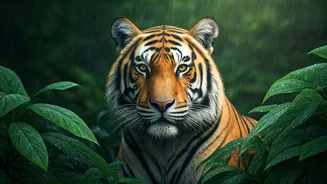
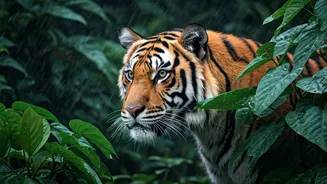
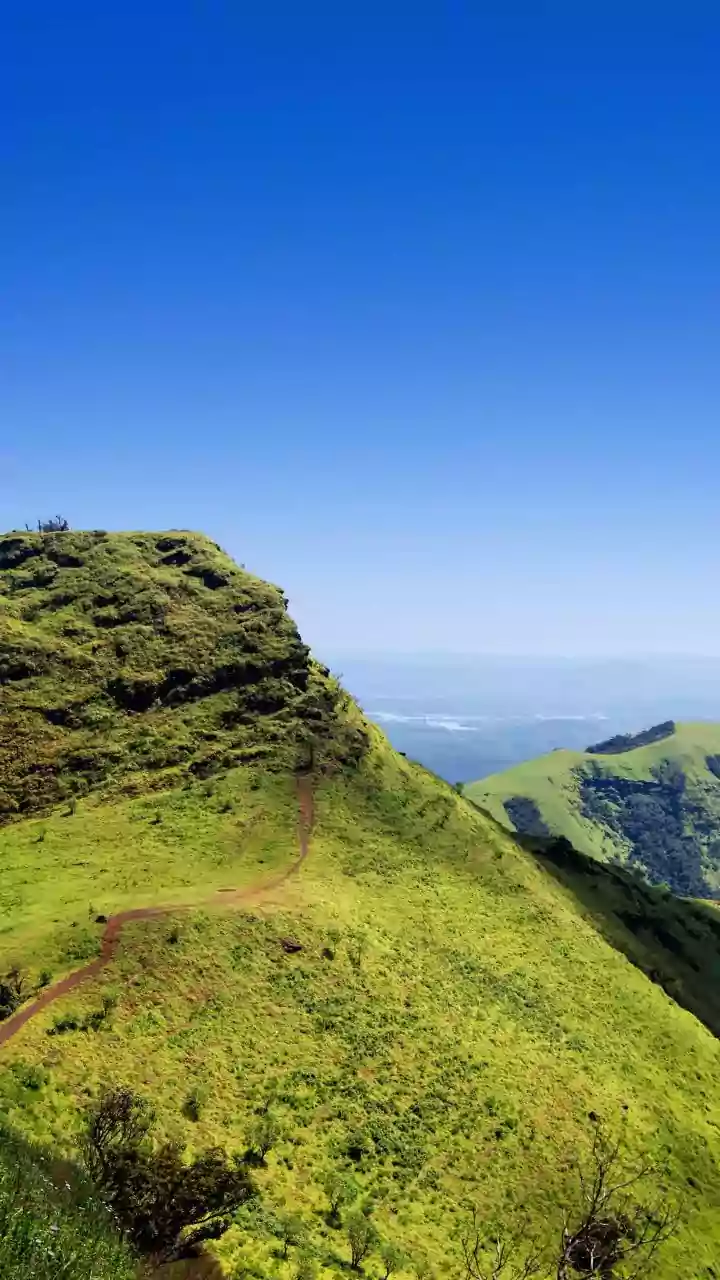
While many core zones are closed, these parks offer incredible monsoon experiences: **Jim Corbett National Park, Uttarakhand:** While the main zones are inaccessible, the Jhirna and Dhela zones typically remain open. The landscape turns into a green paradise, and elephant sightings are common along the Ramganga riverbed. **Tadoba Andhari Tiger Reserve, Maharashtra:** Tadoba has pioneered the concept of monsoon safaris. While some gates to the core area close, many buffer zone gates and even some core gates (depending on conditions) remain open, offering good chances of tiger and leopard sightings against a verdant backdrop. **Periyar National Park, Kerala:** Located in the Western Ghats, Periyar is open all year. A boat safari on Periyar Lake during the monsoon is a serene experience, with elephants, sambar deer, and a rich variety of birdlife often seen along the misty banks. **Kabini (Nagarhole National Park), Karnataka:** The backwaters of the Kabini reservoir create a unique habitat that thrives in the monsoon. Elephants congregate in large herds, and boat safaris provide a fantastic platform for wildlife viewing and photography, with the forest looking exceptionally lush.
Know Before You Go
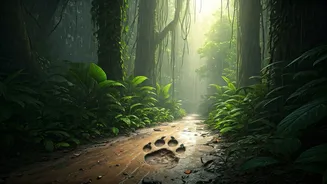
A monsoon safari requires a different kind of preparation. The experience is rewarding, but it comes with its own set of challenges. Expect rain—and lots of it. Safaris are rarely cancelled for drizzle, so waterproof gear is non-negotiable for both you and your camera equipment. The jungle tracks will be muddy and slushy. This makes the journey more adventurous and means a sturdy 4x4 vehicle is essential. Your safari might be slower and cover less ground than a dry-season trip. Also, be prepared for insects. The forest is buzzing with life, so a good insect repellent is your best friend. Finally, manage your expectations. While tiger sightings are possible, the dense foliage can make spotting them harder. Go for the experience, not just the trophy sighting.
Packing for the Wild Rains
Your packing list for a monsoon safari is crucial. Prioritise quick-drying clothes in earthy tones (green, brown, khaki). A lightweight, breathable rain jacket and waterproof trousers are essential. Pack waterproof footwear with good grip, as you might have to navigate slushy patches. Bring a waterproof bag or dry sack to protect your electronics and valuables inside the vehicle. A powerful pair of binoculars will be invaluable for spotting wildlife hiding in the dense, green canopy. Don't forget to pack any personal medications, a basic first-aid kit, and of course, your spirit of adventure.