

The First Check: Waterlogged Woes
The single biggest danger after heavy rain is waterlogging. When roots sit in soil that is saturated with water, they are starved of oxygen and begin to suffocate. This condition, known as root rot, is one of the most common reasons plants fail during
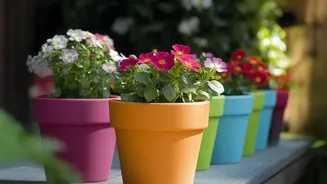
the monsoon. Early signs can be subtle. Look for leaves that are turning yellow, especially older ones, or a plant that appears wilted despite the soil being wet. A foul or sour smell from the soil is another tell-tale sign. To prevent this, ensure every pot has adequate drainage holes and is not sitting in a saucer full of water. It’s a good practice to elevate pots using bricks or stands to improve airflow and allow excess water to escape freely. If you suspect waterlogging, stop watering immediately and gently aerate the soil with a chopstick to create air channels.
Spotting Fungal Invaders
High humidity and wet leaves create a breeding ground for fungal diseases. Issues like powdery mildew, which looks like a white, dusty coating, and leaf spot, which appears as brown or black spots often with a yellow halo, become rampant. These fungi spread quickly in damp conditions with poor air circulation. The first step is to immediately remove any affected leaves to prevent the spores from spreading to healthy parts of the plant. For treatment, a homemade neem oil spray is a widely used and effective organic solution in Indian gardens. Mix a small amount of neem oil with water and a drop of liquid soap (to help it mix) and spray it on the plant, covering the undersides of leaves. A baking soda solution can also work well against powdery mildew.
When Pests Come Marching In
The monsoon is a party for pests like snails, slugs, aphids, and mealybugs, which thrive in moist environments. Slugs and snails will leave irregular holes in leaves, while aphids and mealybugs are often found in clusters on new shoots and under leaves. A daily inspection, especially in the morning, can help you catch these intruders early. Hand-picking slugs and snails is an effective, albeit old-school, method. For smaller pests like aphids, a strong jet of water can dislodge them, or you can use the same neem oil spray that works for fungal issues. A homemade spray of garlic and chilli blended with water also acts as a powerful natural deterrent.
Nutrient Washout and Soil Health
Heavy and continuous rain doesn't just oversaturate the soil; it can also wash away essential nutrients. This leaching can leave your plants looking pale and struggling to grow, even with enough water. After a particularly intense period of rain, your plants might need a gentle nutritional boost. However, it is crucial to avoid applying chemical fertilizers when the soil is very wet, as this can burn the roots. Wait for a dry spell and then apply a mild organic fertilizer like vermicompost or a well-rotted compost. This will replenish the lost nutrients without overwhelming the already stressed root system. Maintaining a well-draining potting mix with amendments like cocopeat and perlite can also help prevent both waterlogging and nutrient loss.
The Power of Pruning and Airflow
One of the best preventative measures you can take is to ensure good air circulation around and through your plants. Overcrowded plants trap humidity and their leaves stay wet for longer, which is an open invitation for fungal diseases. Before the heaviest rains begin, it’s wise to do some light pruning. Snip away any crossing branches, dense foliage near the base, and any dead or yellowing leaves. This not only helps the plant dry out faster after a downpour but also directs its energy towards healthier growth. Think of it as creating breathing room for your plants to better withstand the challenges of the wet season.