




Your Pre-Monsoon Vehicle Checklist
Before you even think about heading out, your vehicle needs to be ready for the challenge. The single most important safety items during a downpour are your wipers and tyres. Wiper blades degrade in the summer heat, so if they are streaking, skipping,
or squealing, replace them immediately. Similarly, your tyres are the only part of the car in contact with the road. Ensure they have adequate tread depth—at least 3mm is recommended for wet conditions—to provide better grip and reduce the risk of hydroplaning, where a layer of water builds between the tyre and the road, causing a loss of control. Also, check that all your lights are working: headlights, brake lights, and indicators are crucial for visibility. A quick inspection of your brakes is also vital, as their performance is paramount on slick roads.
Smart Route and Time Planning
A rainy commute is not the time for spontaneity. Heavy rain almost guarantees traffic jams and potential road closures due to waterlogging. Plan to leave earlier than usual to give yourself a buffer. Before you go, check real-time traffic updates and weather reports using mobile apps. This can help you identify and avoid severely waterlogged areas or accident spots. It’s also wise to inform a family member or colleague of your route and estimated time of arrival, especially if the weather is particularly severe. Having a full tank of fuel is a simple but crucial step, as you may end up idling in traffic for extended periods.
Defensive Driving on Wet Roads
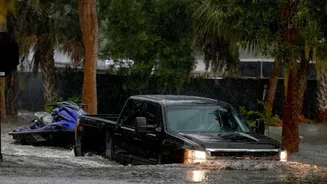
Once you are on the road, your driving style needs to adapt. The most important rule is to slow down. Posted speed limits are for ideal, dry conditions; on wet roads, your vehicle's stopping distance can increase significantly. Double the usual following distance between you and the car ahead to give yourself more time to react. Be extremely cautious of waterlogged roads. It's often impossible to gauge the depth of standing water or see hidden potholes beneath. As a rule, avoid driving through water that is higher than the centre of your wheels. If you must cross a flooded patch, do so slowly and steadily in a low gear to keep engine revs high and prevent water from entering the exhaust. If your car stalls in water, do not try to restart the engine, as this can cause catastrophic damage known as hydrostatic lock.
Pack a Rainy Day Commute Kit
Being prepared for the worst can make a massive difference if you get stranded. Keep an emergency kit in your car specifically for the monsoon season. This should include practical items like a strong umbrella, a raincoat, and a towel. A waterproof bag or even a few large ziplock bags can protect your electronic devices like your phone and laptop. A portable power bank is essential for keeping your phone charged for communication and navigation. Also, pack some non-perishable snacks and a bottle of water in case you’re stuck for a long time. A flashlight with extra batteries, a basic first-aid kit, and contact numbers for roadside assistance should round out your kit.
Prioritise Your Comfort and Safety
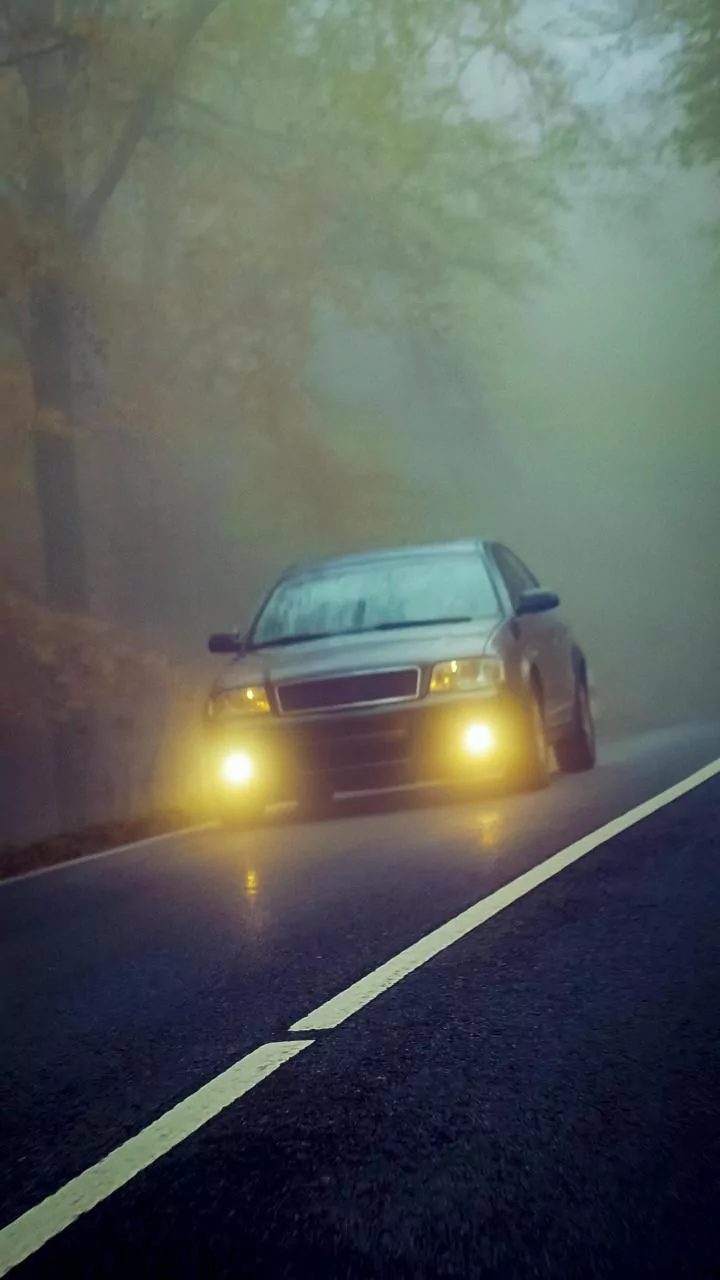
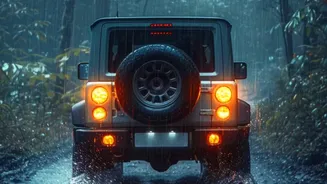
A stressful commute can be mentally draining. To manage this, ensure you are comfortable. Wear appropriate footwear—avoiding anything that could slip on wet pedals—and perhaps keep a dry pair of shoes and socks at your destination. Having a playlist or podcast ready can help you stay calm and patient during traffic snarls. While visibility is key, avoid using your hazard lights while driving in the rain, as this is meant for stationary vehicles and can confuse other drivers. Instead, use your low-beam headlights to make yourself more visible to others. Finally, be extra considerate of pedestrians and two-wheeler riders, who are far more vulnerable in these conditions. Avoid splashing through puddles near them and give them extra space.