



Why Your Footwear is the Foundation
The trails in Uttarakhand are notoriously unpredictable. One moment you might be on a soft, pine-needle-covered path, and the next you could be navigating loose rocks, slippery mud, or steep, stony ascents. Regular sports shoes or sneakers simply aren't
built for this. They lack the grip, support, and durability required, which can turn a dream trek into a painful ordeal. The foundation of a safe and enjoyable trek is the connection between your feet and the ground, and that connection is only as good as the shoes you wear. Investing in proper footwear is not just about comfort; it's the single most important safety decision you can make before hitting the trail.
Decoding a 'Sturdy' Trekking Shoe
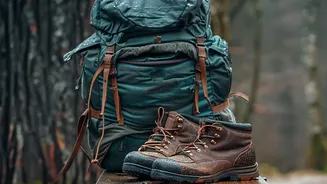
So, what makes a shoe 'sturdy' enough for the Himalayas? Look for a few key features. First, mid or high-ankle support is non-negotiable. This prevents your ankle from twisting on uneven ground, a common and trip-ending injury. Second, a deep and aggressive tread or 'lugs' on the outsole provides essential grip on slippery surfaces. Third, a waterproof or water-resistant membrane is crucial, as weather in the mountains can change in an instant, and wet feet lead to blisters and discomfort. Finally, a somewhat rigid sole protects your feet from sharp rocks underfoot. While lightweight trail runners have their place, for most of Uttarakhand's popular multi-day treks like Kedarkantha or Har Ki Dun, a proper mid-ankle trekking boot is the recommended choice.
The Hidden Costs of the Wrong Shoes
Choosing a cheap, inadequate pair of shoes is a classic example of a false economy. The most obvious cost is injury. A twisted ankle or a bad fall can lead to significant medical expenses and the premature end of your trip. But other costs add up quickly. Poorly fitting or non-supportive shoes are a primary cause of blisters, forcing you to buy expensive blister plasters or medical supplies mid-trek. Furthermore, if your shoes fail completely, you may be forced to rent a pair at the base camp. Rental costs for shoes can range from ₹150 to ₹200 per day, which for a week-long trek, can add up to ₹1400. This is a significant and entirely avoidable expense.
How the Right Pair Directly Saves You Money
A good pair of trekking boots is an investment that pays for itself, often on the very first trip. With excellent ankle support and stability, some trekkers find they have less need for trekking poles, which can cost around ₹70 per day to rent. While poles are always recommended for steep descents to save your knees, the confidence and balance from a solid boot can reduce reliance on them. More importantly, durable boots will last for many treks to come, saving you from the recurring cost of renting or buying new pairs for each trip. A quality pair of trekking shoes might cost between ₹5,000 and ₹8,000, but renting a full kit for a single 6-day trek can cost over ₹3,000. By owning the most critical item, you drastically reduce this recurring expense, making each subsequent trek cheaper.
Breaking In Your Investment
One final, crucial piece of advice: never take a brand-new pair of boots on a long trek. Even the best shoes need a 'break-in' period. Wear them around your house, on short walks, and on at least two or three shorter hikes before you leave for Uttarakhand. This allows the material to soften and mould to the unique shape of your feet, and it helps you identify any potential 'hot spots' where blisters might form. Addressing these issues at home is far easier than dealing with painful blisters on the second day of a high-altitude journey. This simple step ensures that your investment in good shoes truly pays off in comfort and reliability when it matters most.