




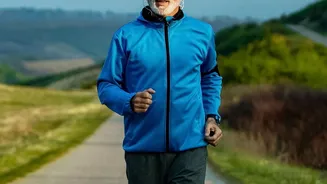

A Step Away from the Old Routine
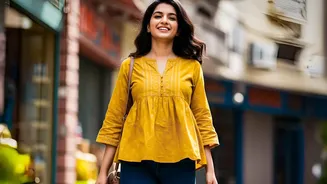
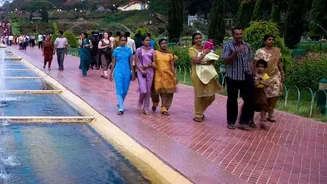
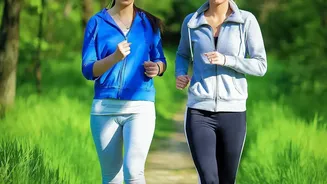
Before the sun fully rises over cities like Mumbai, Delhi, and Bengaluru, a different kind of energy is building. It’s not in the brightly lit gyms, but in public parks and along promenades where groups of young adults gather. Dressed in comfortable activewear,
they’re not there to lift the heaviest weight or run the fastest mile. They are there to walk. This growing movement signals a significant shift in how urban Indians, particularly millennials and Gen Z, are approaching their health. The solitary pursuit of fitness, often confined to four walls and driven by aesthetic goals, is giving way to something more collaborative and holistic. Community walking and running clubs, often organized informally through social media, are becoming the new 'third place'—a crucial social hub outside of home and work.
More Than Just a Workout
The appeal of these clubs goes far beyond physical exercise. For many young professionals who have moved to big cities for work, urban life can be isolating. Walking clubs offer a powerful antidote to loneliness, providing a relaxed environment to build genuine connections. According to organizers and participants, the conversation during a walk often feels as important as the walk itself. This shared experience fosters a sense of belonging and accountability. Knowing a group is waiting makes it easier to get out of bed in the morning, turning a personal fitness goal into a communal activity. This addresses a deeper need for community and mental well-being, a stark contrast to the often intimidating and competitive atmosphere of a traditional gym.
Rethinking Wellness and 'Gymtimidation'
The trend also reflects a broader redefinition of wellness. For a growing number of young adults, health is no longer just about physical metrics like muscle mass or weight loss. It’s about mental clarity, stress reduction, and finding balance in a fast-paced, digitally saturated world. Walking is a low-impact activity that has been shown to reduce stress and improve mood, offering a gentle yet effective form of exercise. This move away from high-pressure environments is also a response to 'gymtimidation'. The high costs of membership, the pressure to look a certain way, and the complex equipment can be alienating. Walking clubs are accessible to everyone, regardless of fitness level or financial status, requiring nothing more than a comfortable pair of shoes. They offer an inclusive space where the focus is on participation, not performance.
How the Movement Organizes
The rise of these clubs is a testament to the power of digital tools in fostering real-world communities. Groups often start on platforms like Instagram, WhatsApp, or Meetup, where a simple post can gather dozens of people. Some are neighbourhood-specific, making it convenient for people to join without having to travel across the city. While some are casual meetups, others have grown into more structured organizations with regular schedules and even social events beyond the walks. The flexibility is key; there are no binding contracts or hefty fees. This low barrier to entry has allowed the trend to spread rapidly across various metro cities, with clubs catering to different interests, from brisk morning walks and trail hiking to weekend running groups.