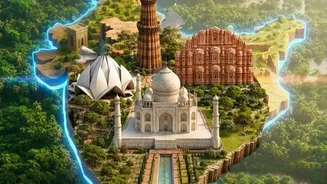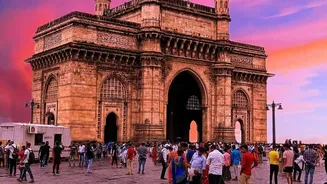



India is rolling out the welcome mat for Southeast Asian tourists with a significant proposal to waive e-visa fees for visitors from all 11 ASEAN countries. This move could make travel to India more affordable and accessible than ever before.
What is Being Proposed?
During the
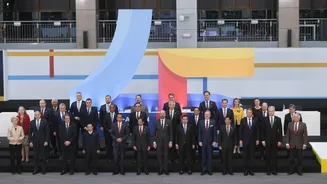
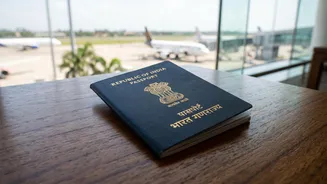
23rd ASEAN-India Summit in Manila on November 17, 2026, Prime Minister Narendra Modi announced a proposal to offer free electronic tourist visas to citizens of all ASEAN member states. It is important to note that this is not a visa-free travel arrangement; tourists would still need to apply for and obtain an e-visa before their journey. The proposal specifically targets the government fee associated with the e-visa application, effectively making it free of charge for the applicant. The government has not yet announced a timeline for implementation or the specific eligibility conditions, but the announcement marks a clear intention to simplify travel from the region.
Who Stands to Benefit?
The proposal would apply to all 11 member countries of the Association of Southeast Asian Nations (ASEAN): Brunei, Cambodia, Indonesia, Laos, Malaysia, Myanmar, the Philippines, Singapore, Thailand, Timor-Leste, and Vietnam. Currently, India's e-visa fee structure for these nations is inconsistent. Citizens of Indonesia and Myanmar already enjoy free e-visas for all durations. Nationals of Malaysia, the Philippines, and Thailand get a free 30-day e-visa, but are charged for longer stays. However, tourists from Brunei, Cambodia, Laos, Singapore, Timor-Leste, and Vietnam currently pay fees for all e-tourist visa categories, which can range from $10 to $200 depending on the season and duration. If implemented, this new policy would harmonize the rules and extend the fee waiver to all ASEAN citizens, representing a significant cost saving for many.
The Economic and Tourism Boost
This visa fee waiver is expected to provide a substantial boost to India's tourism sector. Southeast Asia is a geographically close and important source market for visitors. In 2025, India received over 800,000 tourists from ASEAN countries. By removing a key cost barrier, the government hopes to attract a greater number of leisure travellers, as well as those visiting for cultural, religious, and wellness purposes. The shared heritage, particularly Buddhist circuits and Ramayana trails, already draws many visitors from the region. Easier and cheaper access is likely to encourage more frequent trips, family holidays, and MICE (Meetings, Incentives, Conferences, and Exhibitions) travel, creating new opportunities for India’s hospitality industry.
A Key Pillar of 'Act East' Policy
This move is more than just a tourism initiative; it is a significant diplomatic gesture and a core component of India's 'Act East' Policy. Originally launched as 'Look East' in the 1990s and upgraded by the current administration, the policy aims to deepen economic and strategic relations with nations in Southeast and East Asia. Strengthening people-to-people connections is a crucial part of this strategy. By making travel easier, India aims to foster greater cultural exchange and goodwill. The visa proposal was announced as part of a broader package of nine initiatives, including cooperation in maritime security, technology, and education, underscoring the strategic importance of the India-ASEAN relationship.
What Happens Next?
While the announcement has generated excitement, travellers should note that this is still a proposal. The Prime Minister's Office has confirmed the plan, but the Indian government has yet to notify an official start date or the final details of the scheme. Typically, such policy changes require inter-ministerial consultations before a formal notification is issued through official channels like the Ministry of Home Affairs or the Bureau of Immigration. Prospective travellers from ASEAN countries should continue to follow the current visa application procedures and fee structures until the new facility is formally launched. The industry and tourists alike will be watching closely for the official green light.