





The Great Indian Food Shift
For decades, the Indian diet was defined by its reliance on cereals like rice and wheat. These staples provided calories but often lacked a diverse range of nutrients. Today, that picture is evolving. While cereal consumption remains high, there's a noticeable
shift towards other food groups. Data shows an increasing intake of milk, eggs, fish, and meat, particularly among households with higher incomes. However, this transition is not uniform. The consumption of pulses, a crucial protein source for many, has not kept pace, and fibre-rich coarse grains like millets have seen a sharp decline in intake over the past decade. Simultaneously, urbanization and busier lifestyles have fueled a demand for processed and convenience foods, which are often high in salt, sugar, and fat. This dietary transition means our plates are changing, but not always for the better.
A Tale of Two Plates: Regional Divides
India’s vast geography and cultural diversity are reflected in its food. Dietary patterns vary dramatically from state to state, creating stark nutritional divides. For example, dietary diversity among young children is significantly lower in many northern and central states compared to southern and north-eastern states. Regions like Uttar Pradesh and Rajasthan report low dietary diversity, while states like Kerala and Sikkim fare much better. These differences are rooted in local agricultural practices, cultural food preferences, and socio-economic factors. In northern vegetarian states, dairy is a primary protein source. Southern diets, on the other hand, show different patterns, though some analyses point to a weakness in green leafy vegetable intake. These regional realities mean a one-size-fits-all approach to nutrition is bound to fail.
The Deepest Cut: The Income Gap
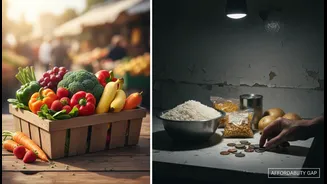
Perhaps the most significant factor shaping India's food basket is income. Affordability dictates diet quality. Nutrient-rich foods like fruits, vegetables, and pulses are often out of reach for the poorest households, who rely on the calorie density of cereals provided through the Public Distribution System (PDS). This creates a 'poverty of access'. Studies show that the wealthiest households consume significantly more protein than the poorest. This disparity contributes to what is known as the "double burden of malnutrition": undernutrition and stunting remain persistent problems among low-income groups, while rising obesity and diet-related non-communicable diseases are increasingly seen in affluent urban populations who consume more processed foods. Higher income inequality within a state is linked to a higher prevalence of both being underweight and obese.
Beyond Calories and Carbs
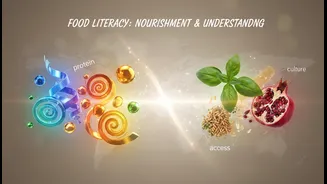
The headline's challenge to avoid "single-number nutrition conclusions" points to a crucial evolution in nutritional science. For years, the focus was on calorie sufficiency. Today, experts emphasize dietary diversity—the importance of consuming a wide variety of foods to get a full spectrum of micronutrients. A diet may have enough calories but still lead to 'hidden hunger' if it lacks essential vitamins and minerals. This is why simply measuring progress by protein or calorie intake is insufficient. The new focus is on the quality of the diet as a whole, promoting local and traditional foods, and understanding the role of gut health in nutrient absorption. This approach moves beyond simplistic metrics to embrace a more holistic view of what it means to be well-nourished.
A Recipe for Equitable Nutrition
Can India's changing food basket truly improve these deep-seated disparities? The potential is there, but the outcome is not guaranteed. The shift away from over-reliance on cereals is a positive step, but market forces are also pushing unhealthy, ultra-processed options. Bridging the regional and income gaps requires deliberate policy choices. This includes diversifying the food provided in the PDS to include pulses and millets, promoting biofortified crops, and investing in nutrition education that is tailored to regional realities. It also means creating policies that make healthy diets more affordable and accessible for everyone, not just those with higher incomes. The goal should be to move from mere food security to genuine nutritional security, ensuring that every Indian has access to a diet that is not just filling, but truly nourishing.