






The Humidity and Oil Connection
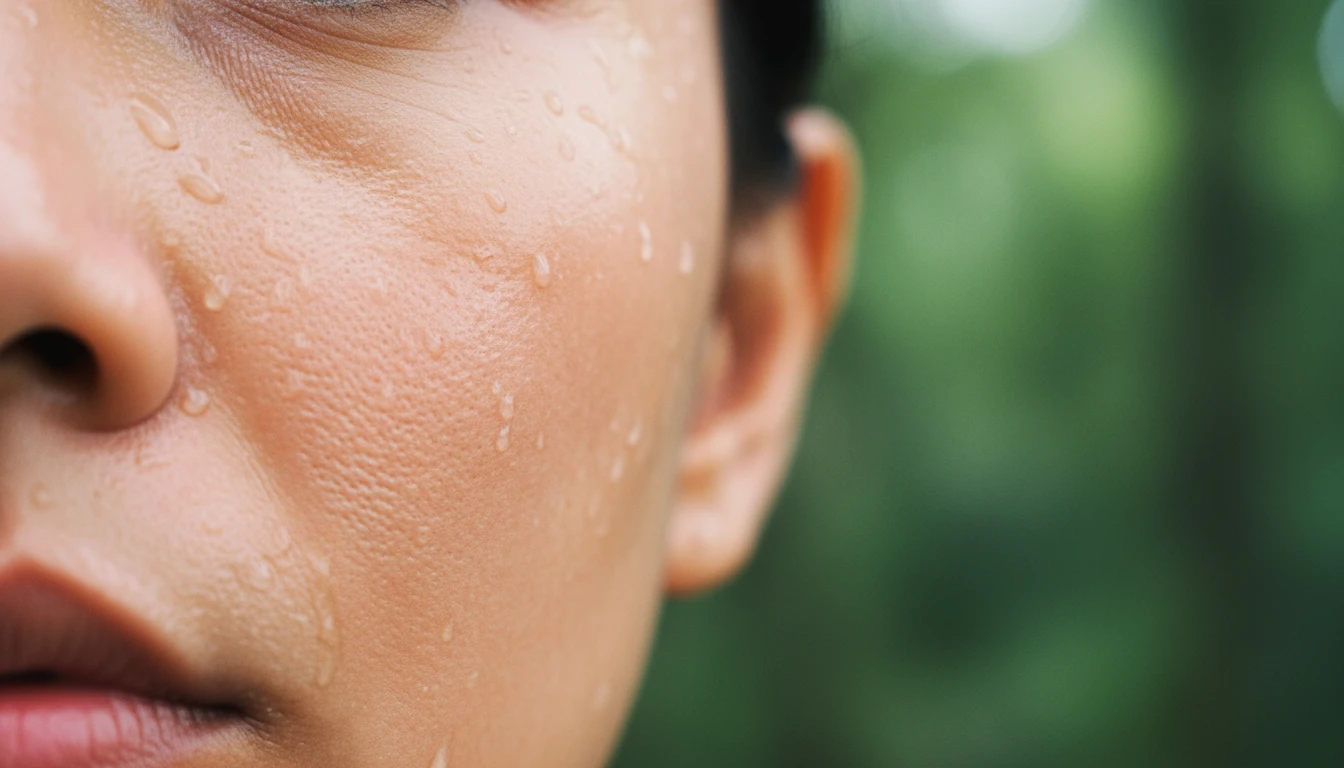
The single biggest culprit behind monsoon acne is the spike in humidity. When the air is heavy with moisture, it has a direct impact on your skin. Your sebaceous glands, which are responsible for producing oil (sebum), go into overdrive. This is the body's
reaction to the warm, moist air. The result is an oilier complexion that feels greasy and sticky. This excess oil doesn't just sit on the surface; it creates an ideal environment for bacteria to thrive, setting the stage for inflammation and breakouts. Instead of evaporating, sweat also lingers on the skin, mixing with this extra oil and compounding the problem.
A Breeding Ground for Bacteria
With more oil and sweat on your skin, your pores are at a higher risk of becoming clogged. This sticky mixture traps everything from dead skin cells to environmental pollutants and dirt. Once a pore is blocked, it becomes a breeding ground for Cutibacterium acnes, the bacteria primarily responsible for acne. The warm, damp conditions of the monsoon season are perfect for these microorganisms to multiply, leading to the familiar signs of acne: whiteheads, blackheads, and inflamed pimples. This issue isn't just confined to the face; areas like the back and chest can also experience more breakouts, often called 'bacne'.
Rethink Your Skincare Routine
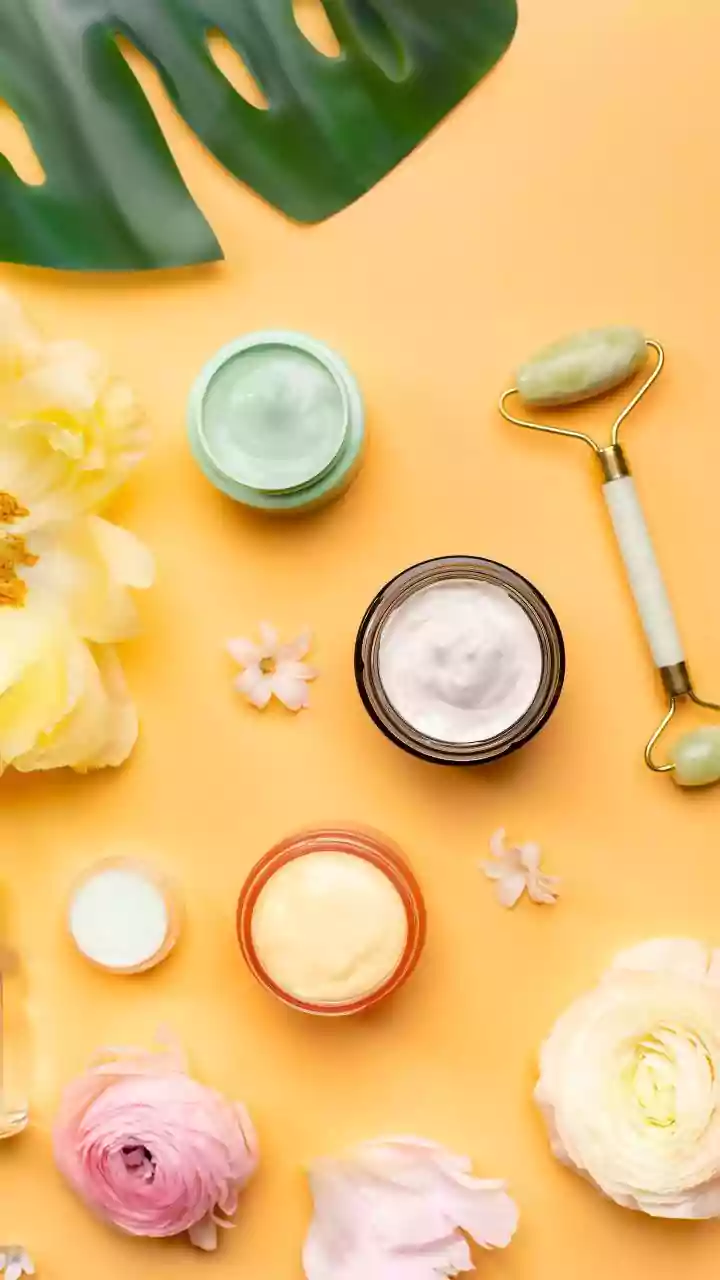
Fighting monsoon acne requires adjusting your daily habits. It's tempting to wash your face constantly to combat the stickiness, but over-cleansing can strip the skin of its natural oils, ironically causing it to produce even more sebum. Dermatologists recommend washing your face twice a day with a gentle, pH-balanced cleanser. It's also crucial not to skip your moisturiser. Opt for a lightweight, non-comedogenic (pore-clogging), gel-based formula to provide hydration without adding heaviness. Exfoliation is also key, but don't overdo it; once or twice a week with a gentle exfoliant is enough to slough off dead skin cells. And even on cloudy days, UV rays penetrate the clouds, so a broad-spectrum sunscreen is non-negotiable.
Lifestyle and Diet Matter
What you eat can also influence your skin's behaviour. The rainy season often brings cravings for fried, oily, and sugary snacks, which can exacerbate inflammation and trigger breakouts. While enjoying pakoras with chai is a seasonal delight, moderation is key. Focusing on a balanced diet and staying hydrated by drinking plenty of water can help flush out toxins and support your skin's health from the inside out. Simple habits like changing your pillowcases frequently, avoiding touching your face with unwashed hands, and showering soon after sweating can also make a significant difference in preventing pore blockages.